Top Security Officials Brief Congress on Caribbean Military Escalation
Defense Secretary Pete Hegseth and Secretary of State Marco Rubio briefed members of both chambers on a swift U.S. military buildup and recent maritime strikes near Venezuela, prompting intensified congressional scrutiny. The sessions underscored unresolved questions about legal authority, rules of engagement, and transparency that carry implications for oversight and regional stability.

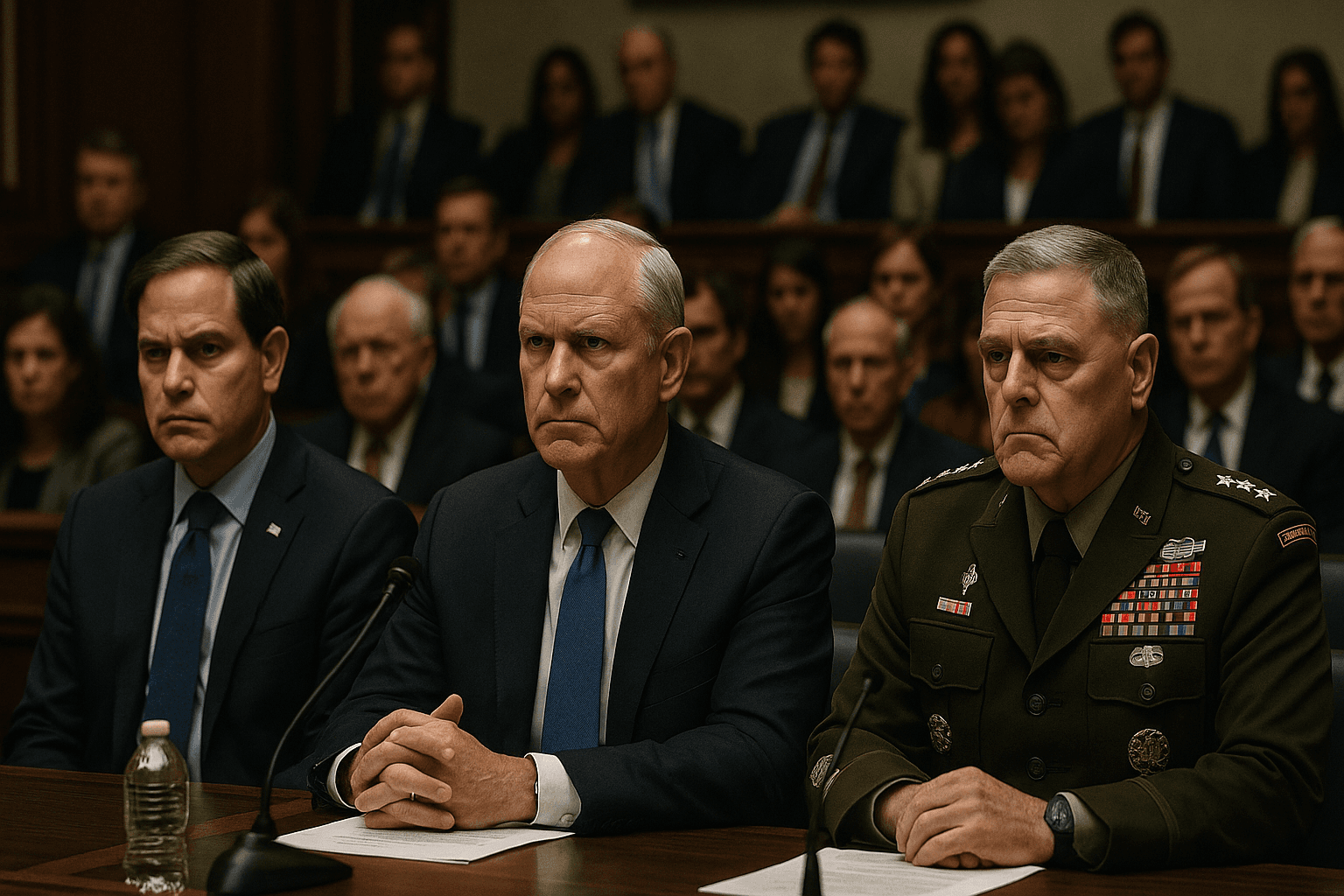
On December 16, 2025, senior national security officials returned to Capitol Hill to explain a rapid expansion of U.S. military operations in the Caribbean and adjacent maritime areas, including a controversial strike in September that has become the focal point of congressional oversight. Defense Secretary Pete Hegseth and Secretary of State Marco Rubio led private, in person briefings for members of the House and the Senate, with contemporaneous accounts noting at least one session occurred "without the plaintiffs present."
Lawmakers pressed the administration for basic documentary and legal information as investigators sought to reconstruct the September 2 action in international waters near Venezuela. That strike, which officials have said targeted a vessel alleged to be carrying cocaine, killed two people identified in reporting as "survivors of an initial attack." Congressional inquiries aim to determine the factual record underpinning the engagement, the legal authority cited for using lethal force at sea, and the targeting criteria that guided commanders.
The briefings came amid a broader pattern of escalating maritime operations. On the eve of the Capitol Hill sessions, military officials disclosed separate strikes on three boats in the eastern Pacific that were reported to have killed eight people. Those operations were announced by U.S. military channels and tied temporally to the briefings, although officials treated them as distinct actions in separate maritime theaters.
The November and December developments have highlighted the executive branch's central role in directing an intensified regional posture. A photograph from December 15 showing President Donald Trump in the Oval Office with senior national security officials underscored the administration's involvement. For members of Congress, the central question is whether rapid operational expansion was accompanied by adequate legal vetting, interagency coordination, and congressional notification.
At stake are several institutional and policy issues. Officials must clarify whether anti narcotics missions are being executed under standard counter narcotics authorities, under broader security or counterterrorism frameworks, or under a novel legal rationale for maritime interdiction. Lawmakers are seeking after action materials, legal memoranda, and intelligence assessments to evaluate compliance with domestic law and international maritime norms. The absence of a full operational timeline, declassified legal analysis, and a comprehensive casualty inventory has fueled demands for more robust oversight.
The presence of plaintiffs outside the briefings raises another layer of legal and transparency questions. At least one account emphasized that plaintiffs in a related civil or legal matter were not present for the briefing, but public reporting has not identified who those plaintiffs are or the nature of any pending litigation. That gap complicates congressional efforts to reconcile classified intelligence with public accountability.
Congressional investigators signaled continuing oversight, with requests for classified and unclassified records expected to follow. Lawmakers across both chambers will confront choices about how aggressively to press for documentation, whether to hold public hearings, and how to balance the need for operational secrecy with statutory oversight responsibilities. The answers will shape not only immediate accountability but also the policy framework governing U.S. military activity in sensitive regional waters and the diplomatic posture toward Venezuela and neighboring states.
This article was produced by Prism’s automated news system from verified source data, official records, and press releases, then run through automated quality and moderation checks before publishing. The system is built and supervised by the people who set the standards it runs under. Read our full AI policy.
Did this article answer your question?

