Torrential rain from Tropical Storm Jangmi floods Tokyo, prompts evacuations
Meguro River overflowed as Jangmi’s rain flooded Tokyo, cut power to nearly 60,000 homes and forced mass evacuations across eight prefectures.
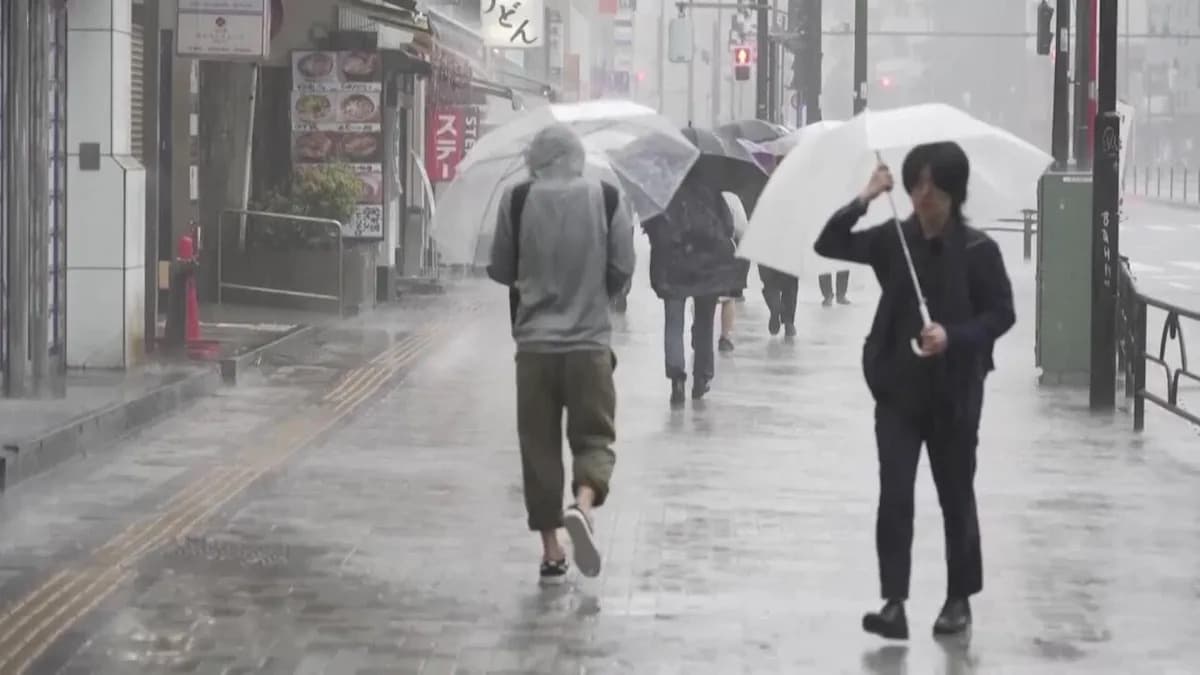
Torrential rain from Tropical Storm Jangmi turned the Tokyo area into a test of the city’s flood defenses and evacuation planning as rivers overflowed, rail services were disrupted and hundreds of thousands of people were told to prepare to move.
By early Wednesday afternoon, Jangmi’s center was about 150 kilometers south of Tokyo, with maximum sustained winds of up to 25 meters per second and a central pressure of 985 hPa. The Japan Meteorological Agency said the storm was moving northeast toward greater Tokyo, while officials warned that some areas along the Pacific coast faced the risk of life-threatening disasters as rain and wind intensified.

In central Tokyo, the Meguro River and other waterways had already overflowed, underscoring how quickly intense rainfall can overwhelm drainage systems in a dense urban corridor. The flooding came with practical consequences across daily life: nearly 60,000 households lost power, at least 15 people suffered minor injuries, and authorities received reports of flooding, fallen trees, debris and landslides across a wide area. The storm hit neighborhoods and commuters alike, with some Tokyo-area rail services suspended by East Japan Railway and bullet train services delayed in Kyushu and western Japan.
Air travel was hit on a larger scale. Airlines cancelled nearly 900 international and domestic flights, affecting about 90,000 passengers, while the disruption rippled through one of the world’s largest metropolitan economies. Toyota Motor suspended operations at 13 domestic plants on Wednesday morning, and Suzuki Motor halted work at all five of its plants in Shizuoka Prefecture before later planning to resume. The closures showed how quickly severe weather in and around Tokyo can spread into manufacturing, logistics and commerce.
The storm had already caused damage before reaching the capital region. As Jangmi moved north from Okinawa after being downgraded from a typhoon, authorities urged the entire population of Miyazaki city, about 390,000 people, to evacuate. Evacuation advisories were issued for more than 800,000 people in Miyazaki and Kagoshima prefectures, a sign that the threat stretched far beyond Tokyo. The Japan Meteorological Agency said sea temperatures were 1 to 2 degrees Celsius above average, helping the storm maintain its strength and increasing the risk of landslides and flooding along the Pacific coast, including Shikoku, southern Kinki and Kanto-Koshin.
Government spokesperson Minoru Kihara said the storm had cut power to nearly 60,000 households and urged people not to hesitate to take early action to protect their lives. With more rain, rising water and transport disruption unfolding across greater Tokyo, Jangmi exposed both the value and the limits of Japan’s warning systems as climate-fueled downpours continue to outrun older assumptions about what the city can absorb.
This article was produced by Prism’s automated news system from verified source data, official records, and press releases, then run through automated quality and moderation checks before publishing. The system is built and supervised by the people who set the standards it runs under. Read our full AI policy.
Did this article answer your question?


