Trade deals tied to Trump tariffs unravel as court voids IEEPA duties
Supreme Court voids IEEPA tariffs; Trump orders a replacement while 38 trading partners face uncertain rates and $85 billion in pledged U.S. purchases hang in the balance.
The Supreme Court struck down a large slate of tariffs imposed under the International Emergency Economic Powers Act, instantly calling into question dozens of bilateral deals that had locked in lower U.S. tariff rates in exchange for investment and purchase commitments. The ruling removes the legal foundation for many negotiated cuts and leaves exporters, importers and governments scrambling to determine what duties now apply.
The administration moved quickly. President Donald Trump posted on Truth Social that he had signed an executive order imposing a new global tariff that would take effect “almost immediately.” Administration statements were inconsistent: some officials described a 10 percent global tariff under Section 122 with a 150-day time limit, while other briefings described a new 15 percent global levy. Mr. Trump said, “Other alternatives will now be used to replace the ones that the court incorrectly rejected. We’ll take in more money, and we’ll be a lot stronger for it.” He also declared that tariffs enacted under Section 232 and Section 301 would remain “in full force and effect.”
The legal upheaval matters in concrete terms. A dataset compiled by reporters shows 38 countries were paying reduced rates after deals, 58 countries now have a newly posted rate in effect, and 96 countries face a baseline tariff schedule. Many of the bilateral arrangements had set negotiated rates at 15 percent or higher to replace steeper duties, and some were tied to large commercial promises. Taiwan, for example, negotiated a reduction from a 20 percent general tariff to 15 percent in return for roughly $85 billion in purchases of U.S. energy, aircraft and equipment. Indonesia’s chief negotiator, Airlangga Hartarto, said the Indonesia-U.S. deal setting a 19 percent rate “remains in force despite the court decision.” The United Kingdom, by contrast, had a deal that imposed a 10 percent tariff on most U.K. goods while lowering higher levies on cars, steel and aluminium. Brazil, which had not negotiated a concession and faced a 40 percent rate, could see that exposure fall temporarily to the replacement rate.
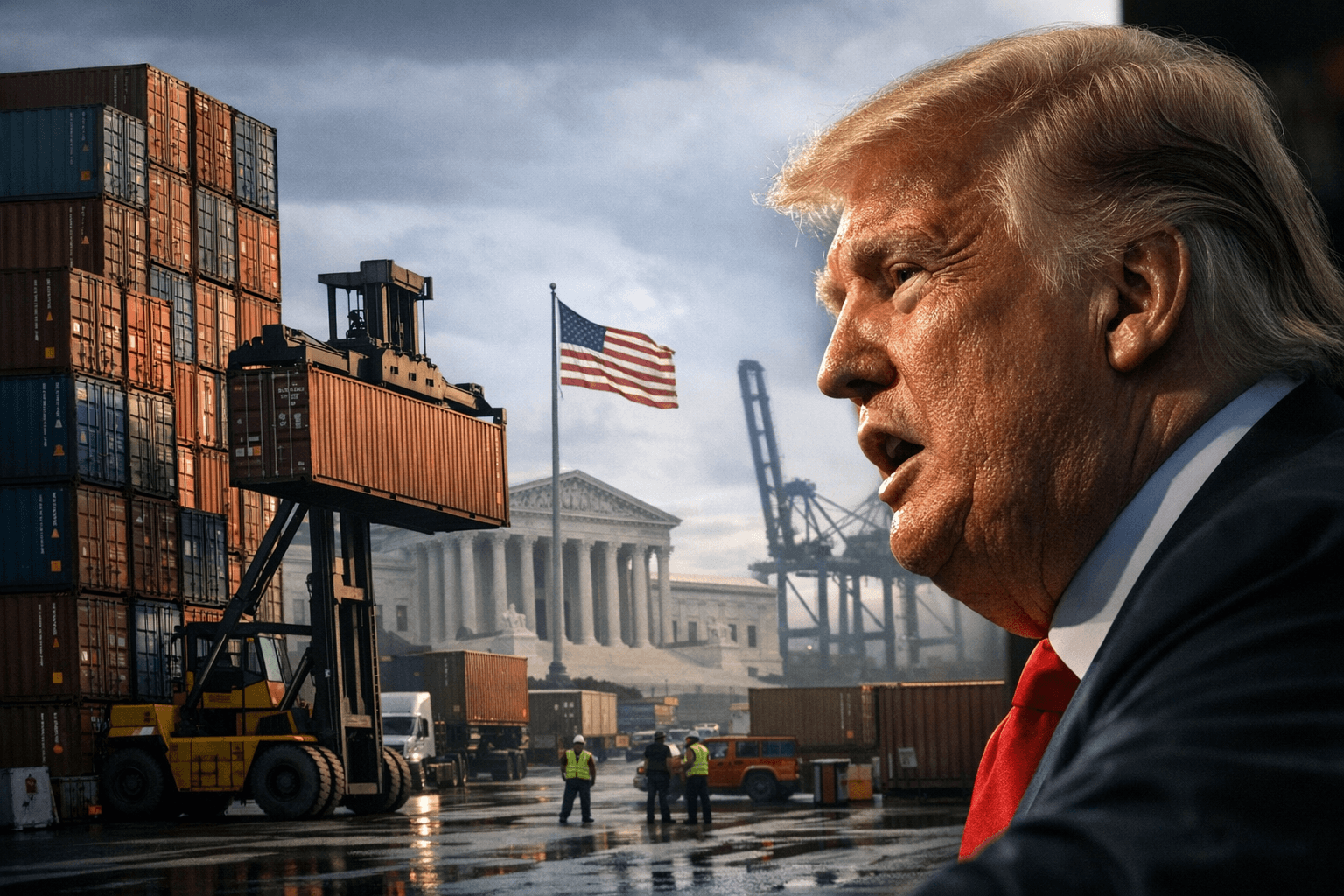
Trade representative Jamieson Greer told Fox News that countries “must honour their agreements,” and the administration has told trading partners that negotiated rates will continue to be observed in some form. At the same time, legal practitioners and importers brace for litigation and operational headaches. An expert identified only as Diamond said, “It’s pretty clear that they will win in court, but it’ll take some time. Once we get the court orders in effect, I don’t think those refunds will be all that messy for larger firms. Smaller firms are going to have a much more difficult time getting through the process.” Customs refunds, contested duties and contract disputes are now likely to move through courts and bureaucracies over months or years.
The practical confusion is amplified by how dependent federal revenue became on the invalidated duties: most of last year’s U.S. tariff revenue came from the IEEPA levies. The administration had already been carving out exemptions for allies and certain products - including aircraft, pharmaceuticals and some agricultural goods - in a piecemeal policy rollout dating to the “Liberation Day” tariff announcements in April 2025 and subsequent modifications. For exporters and American importers, the near-term picture is uncertainty: which rates apply at the border, whether negotiated concessions will be honored by courts, and who will shoulder the costs while legal and administrative processes play out.
This article was produced by Prism’s automated news system from verified source data, official records, and press releases, then run through automated quality and moderation checks before publishing. The system is built and supervised by the people who set the standards it runs under. Read our full AI policy.
Did this article answer your question?


