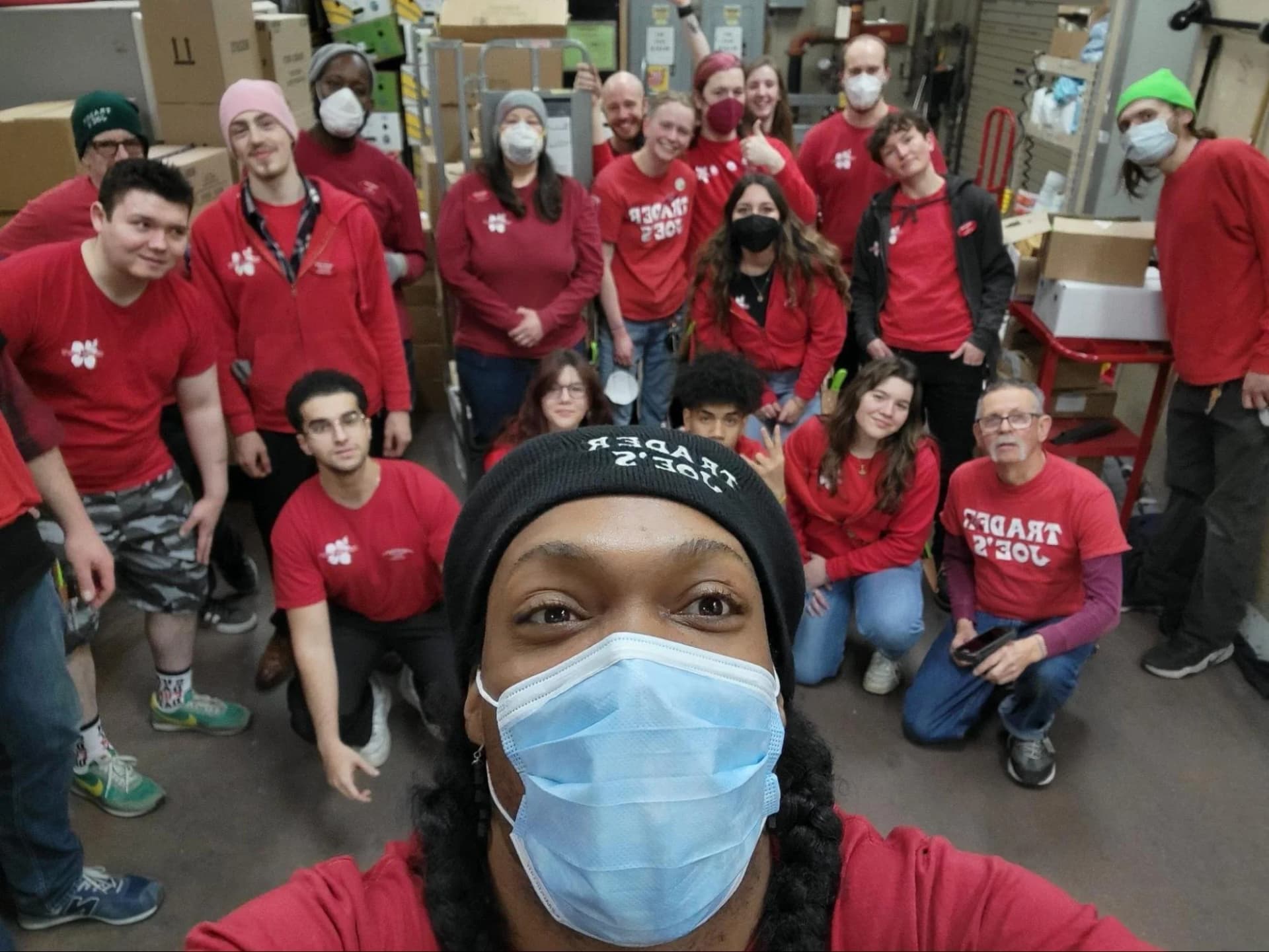
Trader Joe's crew report friction over deliveries, communication
Crew members reported backroom rollouts, uneven local communication, and safety concerns; this affects daily operations and crew workload.

A Jan. 15 thread on r/tjcrew gave a window into everyday operational tensions at Trader Joe's stores, with crew members describing how new products and equipment frequently appear in backrooms before being visible on the sales floor, and how on-site deliveries - including things like ice - can create unexpected work and safety hazards.
Posters detailed informal local practices around receiving and who is authorized to ring up certain items, noting that mates and captains typically manage receiving but that that responsibility can shift depending on staffing. That informal shifting, combined with uneven communication from store leadership about local incidents or product changes, left some crew members scrambling to reconcile backroom inventory with what customers see on the floor. Crew also used the thread to share situational updates and flag safety concerns arising from deliveries and storage decisions.
The accounts illuminate several friction points for frontline workers. When new items arrive in the backroom without clear guidance or signage, floor crew can be caught off guard, complicating stocking and customer service. Confusion over which roles may ring up special items adds time at registers and can create inconsistent enforcement of store policy. Multiple posters described relying on peer-to-peer updates to fill gaps left by uneven managerial communication, a pattern that can sustain morale short-term but does not replace consistent leadership direction.
Operationally, these dynamics can affect shrink, safety, and customer experience. Uncoordinated receiving creates extra lifting and staging in tight backroom spaces, raising risk for slips or strains, particularly with heavy or temperature-sensitive deliveries. When crew must pause selling or redirect customers while clarifying whether an item is live on the floor, pace and service quality suffer. For stores balancing tight staffing and a fast turnover of seasonal items, unclear rollouts further strain already compact schedules.
Trader Joe's has long emphasized store-level autonomy and the use of crew titles such as mates and captains to run daily operations. The thread underscores how that model depends on crisp local communication and role clarity to work smoothly. It also shows the role of peer networks in spreading situational awareness when formal channels lag.
For crew, the exchange reinforced the practical value of documenting deliveries, clarifying who handles ringing up special items, and escalating safety issues promptly. For managers, it highlights where clearer pre-shift briefings and more consistent local messaging could reduce friction. As stores continue rolling out products and equipment, improving those communication touchpoints will be key to keeping backrooms orderly and floors stocked without adding unnecessary risk or workload for crew.
Sources:
Know something we missed? Have a correction or additional information?
Submit a Tip