Traffic in Strait of Hormuz remains near shutdown after attacks, reversal
Gunfire, turnbacks and a U.S. blockade left the Strait of Hormuz nearly frozen, threatening oil flows that carry about one-fifth of the world's supply.
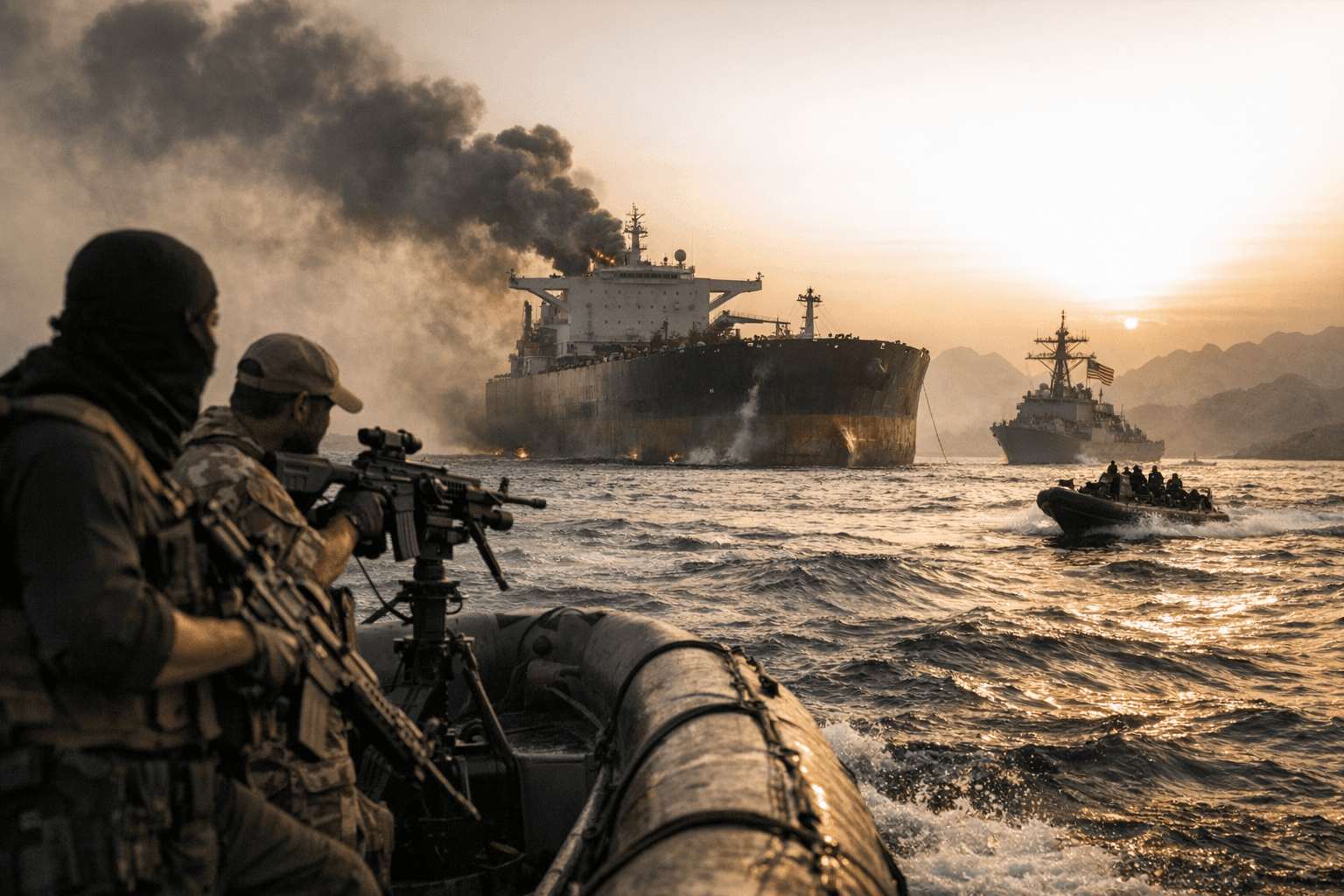
Traffic through the Strait of Hormuz remained near a shutdown after attacks and Iran’s reversal on reopening the narrow passage, with maritime officials saying only a handful of ships were moving through the waterway that carries roughly 20% of the world’s oil. At least two vessels were reported hit by gunfire as they tried to cross, while many others waited or turned back, leaving the chokepoint between the Persian Gulf and the Gulf of Oman far below normal.
Iran briefly announced on April 17, 2026, that the strait was open for commercial shipping, a move that sent crude prices down more than 10%. By April 18, Tehran had reversed course and reimposed restrictions after accusing the United States of violating the reopening arrangement. The U.S. military said six merchant ships turned back after Washington imposed a blockade on vessels calling at Iranian ports, underscoring how quickly commercial flow through the passage can be interrupted.
A couple of very large crude carriers, or VLCCs, did make it through during the week, but the volume was still a fraction of what normally moves through the route. Industry trackers said tanker transits were about 90% below pre-conflict levels, a steep drop for a corridor that can send millions of barrels of crude toward Asia, Europe and the United States each day. A VLCC can carry about 2 million barrels of oil, so even a few crossings matter, but not enough to normalize trade.
Shipping companies have urged caution and said they needed clarifications before committing more vessels to the transit. The International Maritime Organization said it was verifying whether the reopening complied with freedom of navigation rules and the traffic separation scheme that organizes shipping lanes through the strait. That lane system, proposed by Iran and Oman, was adopted in 1968 to reduce collisions in one of the world’s busiest maritime corridors.
The UK foreign secretary, Yvette Cooper, said the strait had not returned to normal operations despite the ceasefire. In the Gulf itself, the disruption has also left crews in limbo. “The ceasefire is welcome news for the 20,000 seafarers who are awaiting evacuation on the ships which remain in the Persian Gulf,” said Damien Chevallier of the IMO’s Maritime Safety Division.
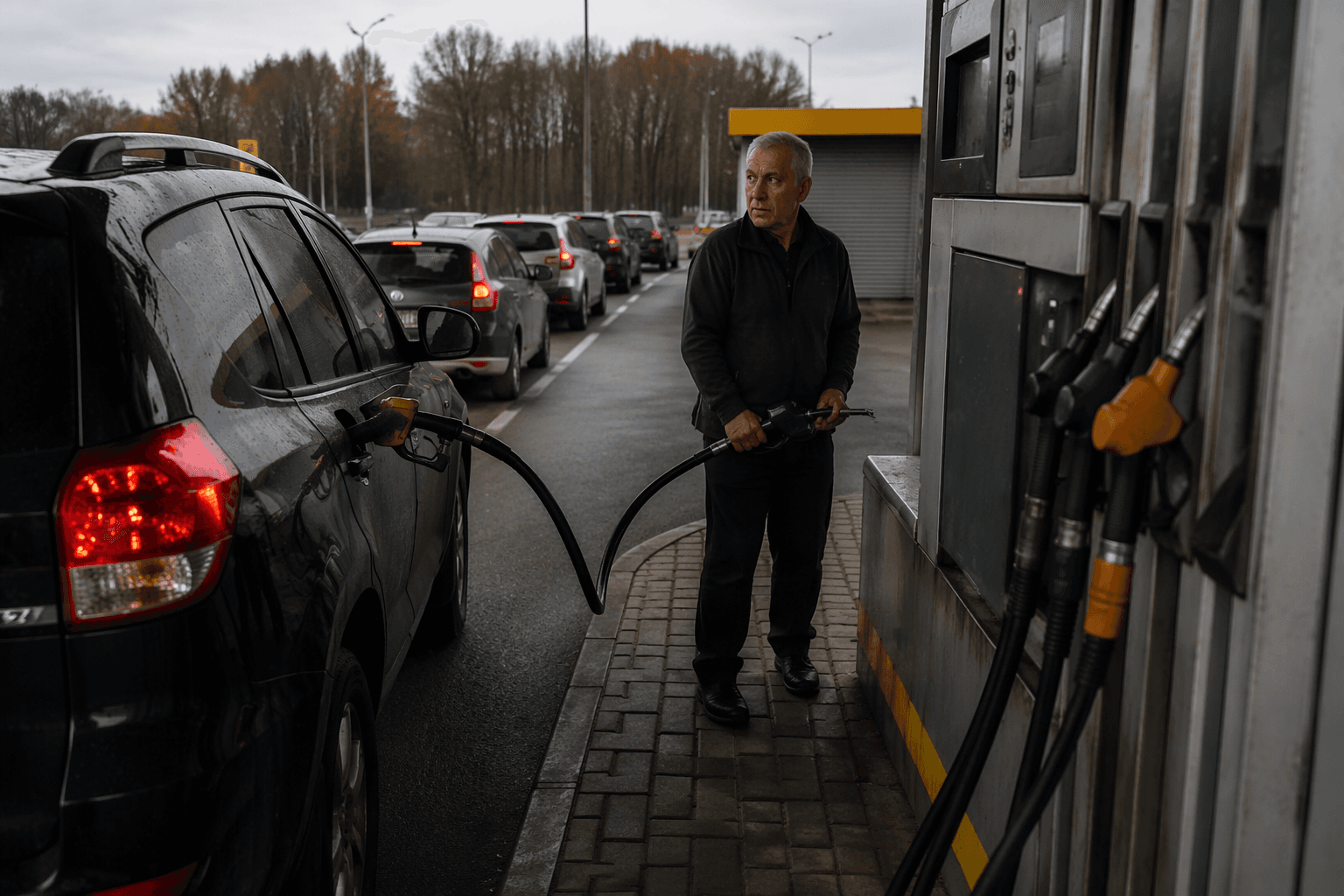
For markets far beyond the Gulf, the stakes are immediate. Any prolonged interruption in Hormuz can jolt global oil supply, rattle insurers, and force tankers onto longer, costlier routes, with the risk eventually passing through to fuel prices paid by U.S. consumers.
This article was produced by Prism’s automated news system from verified source data, official records, and press releases, then run through automated quality and moderation checks before publishing. The system is built and supervised by the people who set the standards it runs under. Read our full AI policy.
Did this article answer your question?