Trainers Urged to Create Travel-Disruption Contingency Plans for International Racing
Trainers warned that gaps in travel contingency plans could strand horses, staff and equipment and threaten purses, meet continuity and betting at international meetings.

Trainers, owners and racing secretaries are being pushed to build formal travel-disruption contingency plans after industry observers flagged how quickly international meetings can be destabilized when horses, staff and equipment cannot cross borders to reach targeted races. The immediate consequence is clear: who will be able to start, and what happens to purses, meet continuity and wagering pools if key shipments fail to arrive.
International racing is logistics-intensive by design; horses, grooms, veterinarians, transport vehicles and support teams routinely move between jurisdictions to chase lucrative targets. Yet most race preparation still centers on form cycles, fitness and draw bias rather than on backup plans for disrupted travel. That gap leaves owners and trainers exposed when airspace restrictions, freight delays or quarantine hold-ups interrupt a campaign built around a single marquee event.
The stakes extend beyond barn-level headaches. Short-notice absences can hollow fields, reduce advertised purses and scramble betting markets, creating cascading problems for meet continuity and the commercial value of marquee events. Racing administrations, race-day operators and bookmakers depend on predictable entries and stable pools; when a string of international shippers is delayed, purses can be renegotiated and broadcast commitments strained.
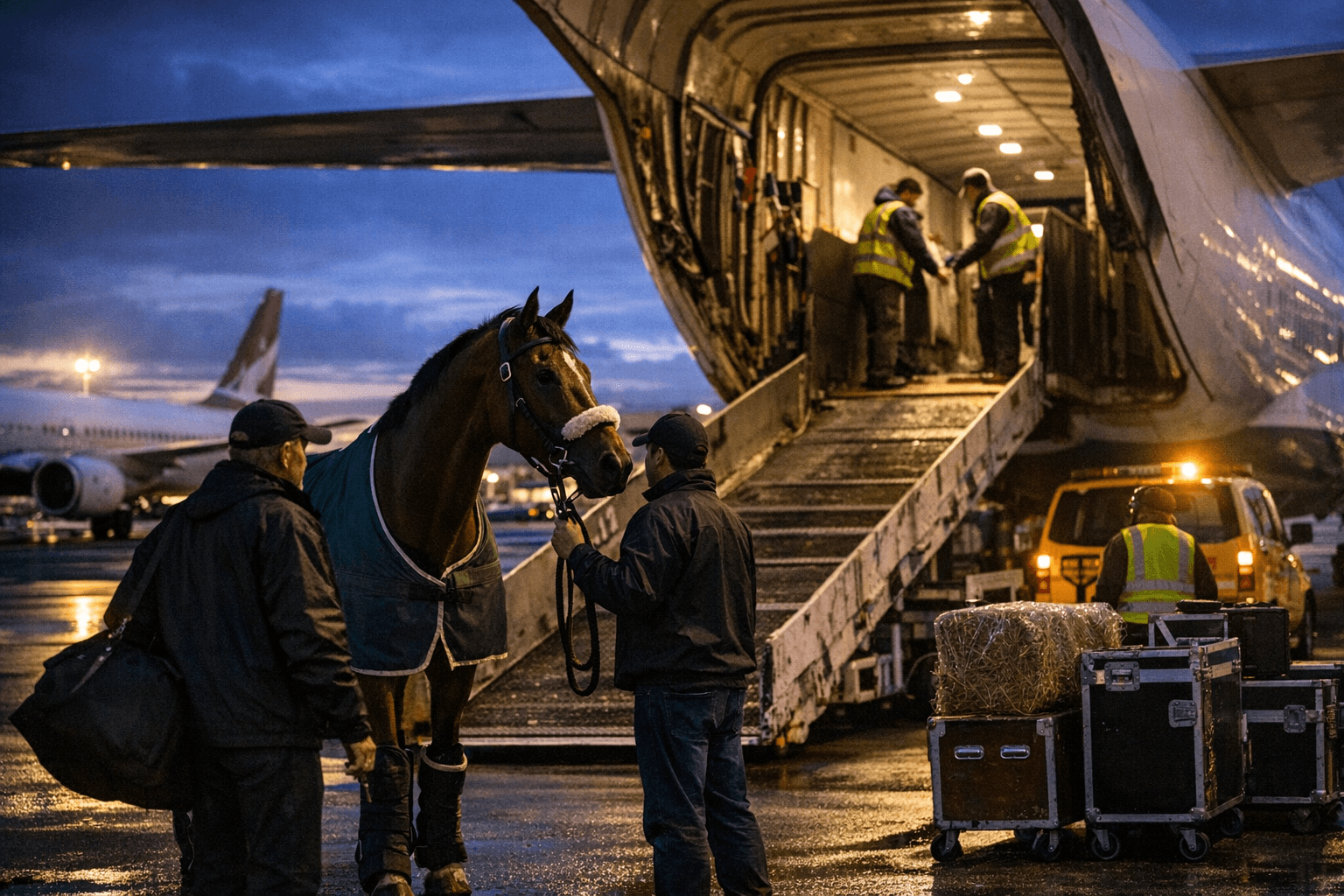
Practical contingencies under discussion include earlier shipment windows, redundant staffing plans, clearly documented export and import health records, and contingency budgets to cover alternative transport or extended stabling. Trainers who map each leg of a campaign - from departure airports to quarantine stables to destination racetracks - can better protect owner investments and preserve wagering integrity. Those elements reflect the core logistics noted by participants who say form cycles and draw bias have crowded out travel planning.
As of March 3, 2026, racing jurisdictions that host international fixtures face pressure to standardize expectations for entrants and to communicate contingency protocols to overseas trainers. Without clearer, operational plans at both the trainer and jurisdiction levels, the industry risks last-minute scratches that reduce field sizes, depress tote pools and diminish the commercial clout of international cards. Preparing for travel disruption is no longer an optional administrative task; it is central to protecting purses, betting and the events that define the global racing calendar.
Know something we missed? Have a correction or additional information?
Submit a Tip