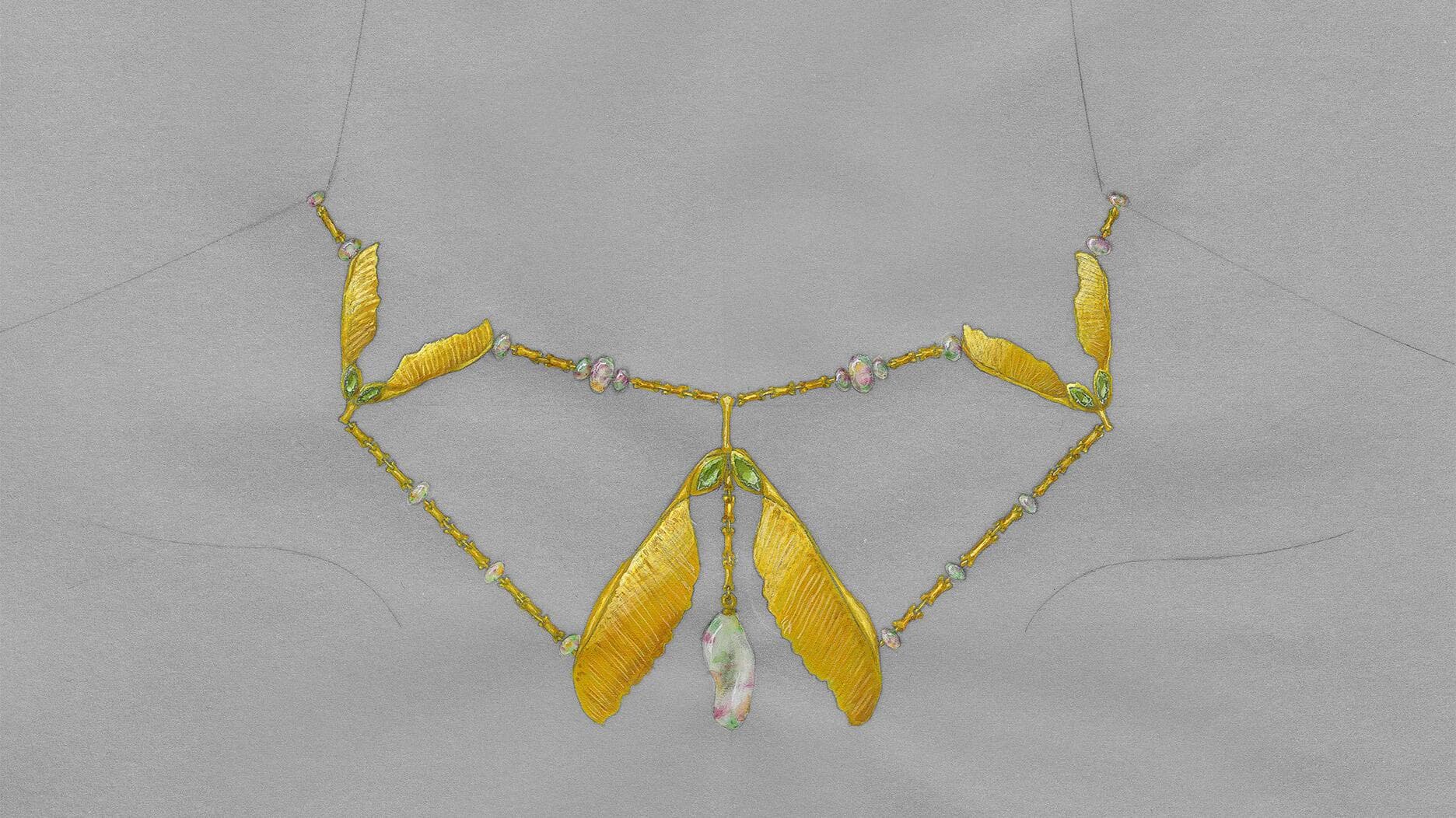
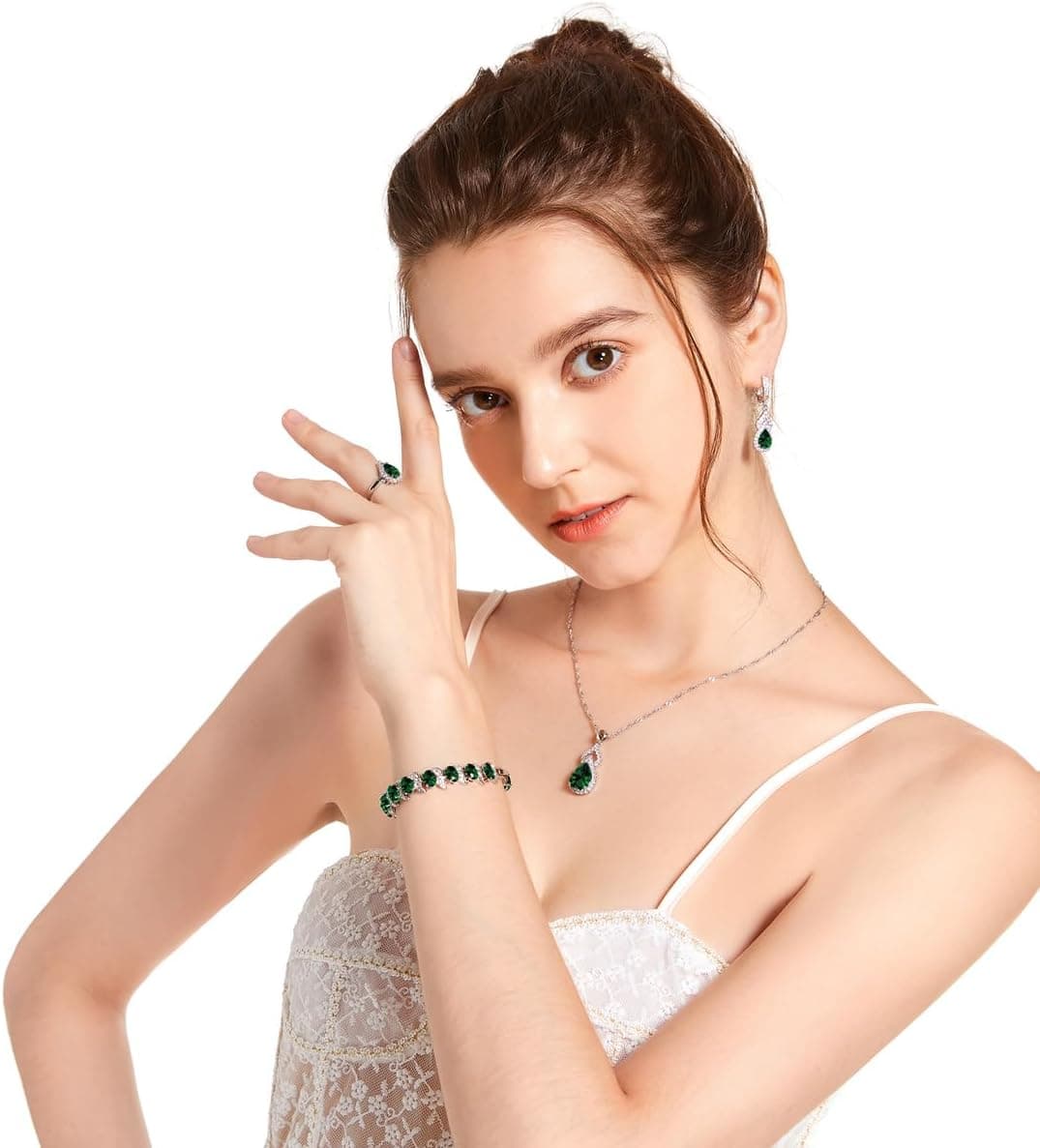
Transformational multiway jewelry linked to layering, including necklaces and modular chain bracelets
Alibaba Product Insights' March 1, 2026 feature links transformational multiway jewelry to layering, noting transformational necklaces, modular chain bracelets, and a 50% digital workflow time reduction.

Alibaba Product Insights published on March 1, 2026 frames transformational - also called multiway or convertible - jewelry as an engine of contemporary layering and stackable styling, and lists types that include transformational necklaces and modular chain bracelets, though the taxonomy in the excerpt truncates at “m.” The article positions these multiway pieces as design systems rather than single objects, a distinction that matters when assessing connectors, clasp tolerances, and how a piece will wear over time.
“Transforming a design concept into a physical piece requires mastery of both traditional craftsmanship and cutting-edge technology,” the feature states, and then foregrounds exact handcrafting methods: wax carving, metal forging, and filigree work remain essential for artisanal quality. The text pairs those with technical production techniques - soldering, casting, polishing - which it says ensure structural integrity and finish refinement. The piece also quantifies a technical advantage: “Digital workflows reduce design-to-production time by up to 50% compared to traditional methods,” a figure that signals how CAD-to-CAM processes change iteration cycles for modular designs.
Materials receive equal scrutiny in the March 1, 2026 feature under the heading “Materials: The Foundation of Value and Beauty.” The piece names precious metals - gold (in various karats and colors), silver, platinum, palladium - and notes each offers “unique durability, luster, and hypoallergenic properties.” It catalogs gemstones by category - diamonds, sapphires, emeralds, rubies - and adds semi-precious stones such as amethyst, garnet, and topaz. The article pairs material choices with market context: “Industry trend: Over 60% of luxury jewelers now offer certified ethical sourcing options to meet growing consumer demand,” a statistic used to foreground provenance as a component of value for convertible pieces meant to be worn and reconfigured repeatedly.
On aesthetics, the piece maps inspiration sources in concrete terms: nature appears as floral motifs, animal forms, and geometric patterns derived from natural structures; historical reference points include Art Deco and Victorian periods; cultural heritage is visible in hamsas, evil eyes, and Celtic knots. The feature’s creative thesis is explicit: “Creative insight: The most memorable pieces often tell a story, whether cultural, emotional, or autobiographical.” That storytelling imperative helps explain why designers build multiway hardware into pendants and chain bracelets - to let the narrative survive multiple configurations.
The Alibaba excerpt also reveals gaps that affect editorial and purchasing judgments. The taxonomy of transformational types ends at “m” in the supplied fragment, and a heading reading “### Customization: Meeting the Demand for Uniqueness [...]” appears with its body omitted; similarly, the two headline statistics lack methodological detail in the excerpt. Those absences matter for readers who need specifications - connector standards, wear-testing protocols, or the baseline behind the “up to 50%” and “over 60%” figures - before treating these claims as benchmarks.
Even as craftsmanship and digital efficiencies converge, the March 1, 2026 feature makes clear that transformational jewelry’s long-term promise depends on three measurable things: the materials named (gold of specified karats and colors, platinum, palladium), the production techniques that guarantee fit and finish (soldering, casting, polishing), and provenance practices (certified ethical sourcing adopted by more than 60% of luxury jewelers). For collectors who layer and reconfigure, those specifics - not flattering photography or rhetorical claims alone - will determine which convertible pieces endure as everyday art.
Know something we missed? Have a correction or additional information?
Submit a Tip