Travel insurance checklist, what UK passengers must check before flying
Families can be left paying twice unless they check cover before takeoff. The key is knowing what the airline must do, and what the policy will not.
The first mistake happens before departure
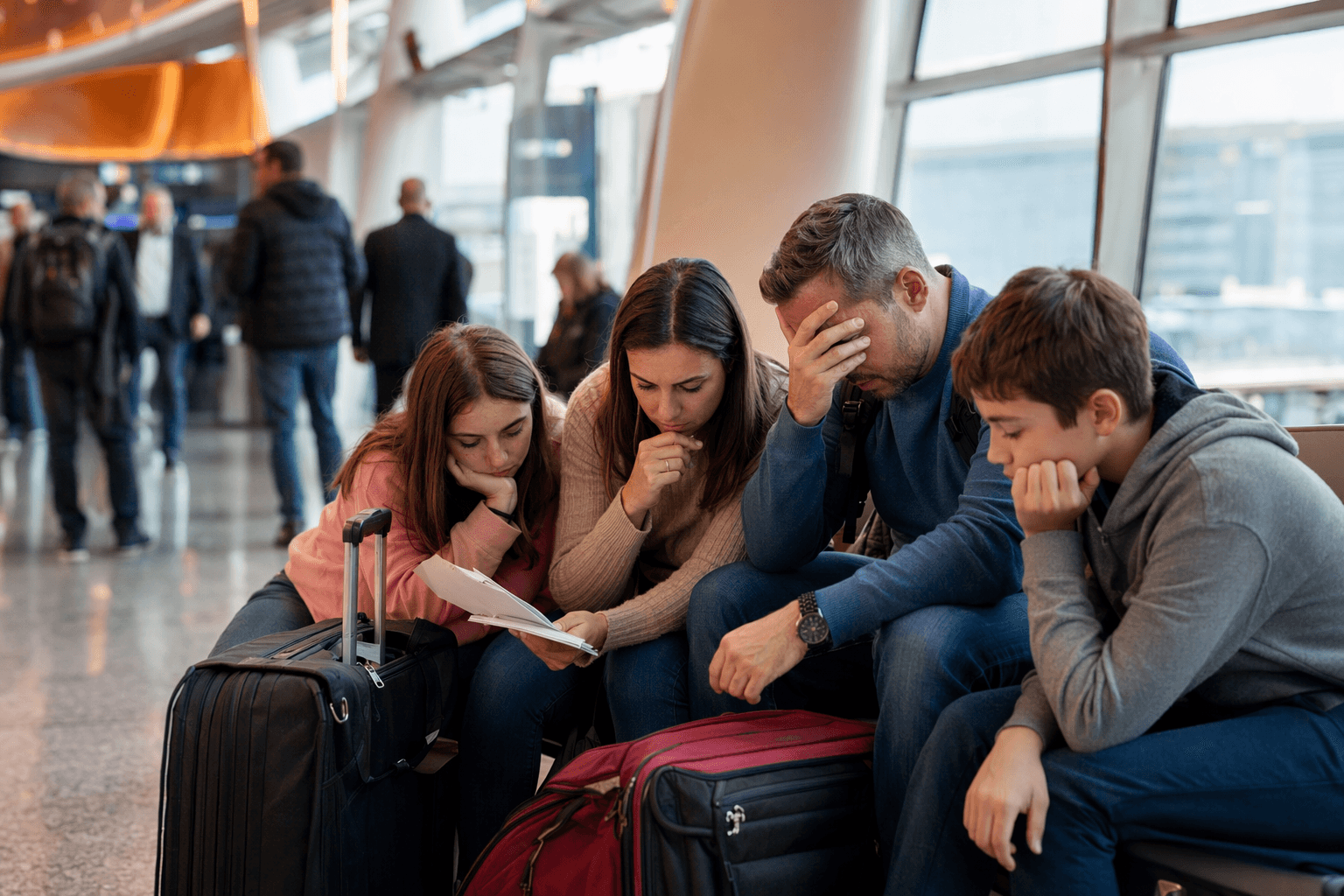
The biggest gap in many holiday plans is not at the airport but in the paperwork. Official UK guidance says travellers should buy appropriate travel insurance before going abroad, and it should cover existing physical or mental health conditions as well as any activities planned on the trip. That matters because the moment a flight is cancelled, costs begin piling up fast, from hotel nights to rebooking fees and transport.
Cancellation cover is not always included as standard, so the policy wording needs to be read line by line before money is handed over. A policy that looks generous at first glance can still leave a family exposed if the trip includes activities outside the insurer’s terms, if a medical condition was not disclosed, or if the claim falls foul of an exclusion. The safest approach is to treat the policy as a contract, not a promise.
What to confirm in the policy wording
Travel insurance only works when the claim fits the fine print. Citizens Advice warns that insurers may refuse or reduce claims because of an excess, an exclusion, missing paperwork, or a breach of policy conditions. That means the policy holder needs to know not just what is covered, but what triggers a deduction and what evidence will be demanded later.
- Existing physical or mental health conditions are declared and accepted.
- The activities planned on the trip are covered.
- Cancellation cover is included, not assumed.
- The excess is affordable if a claim is made.
- Any exclusions, limits, and conditions are understood in advance.
Before flying, check that the following are clear:
Keep the policy number and emergency contact telephone number with you when you travel. Citizens Advice also recommends saving receipts for anything bought because of the disruption, since those receipts are often the difference between a successful claim and a rejected one. If belongings are lost or stolen, report them promptly to the police or the person in charge, because delay can weaken the claim.
Know the line between airline duty and insurance cover
Many passengers wrongly assume that if a flight is cancelled, the insurer will sort everything out. In reality, the Civil Aviation Authority says many flights to, from or within the United Kingdom are covered by UK passenger rights when delayed or cancelled, and airlines have their own obligations under UK law. If a covered flight is cancelled, the airline must provide care and assistance, which can include support while passengers wait.
The airline’s next duty depends on the circumstances. The Civil Aviation Authority says passengers must be rerouted to their destination at the earliest opportunity or offered a refund. Compensation is a separate question, and it is only due when UK law applies and the airline is at fault. That distinction matters because some travellers assume cancellation automatically means compensation; in fact, the legal test is narrower than many expect.
This is why a traveller stranded by a cancellation can face immediate out-of-pocket costs even before any claim is processed. Rebooking, overnight accommodation and transfers may be urgent expenses, and the first question is not just whether money will come back later, but who is responsible for covering the bill now.
Do not confuse airline rights with booking protection
Package holidays, hotel bookings and agent bookings can each follow different rules, and that is where many families get caught. ABTA advises travellers to check the refund policies of accommodation providers and to understand what they are entitled to if a package holiday is disrupted. That includes knowing whether the hotel, the organiser or the airline is the party with the legal responsibility to act.
If the trip was booked through a travel agent, government guidance says to check whether the booking was ATOL-protected. That matters because a traveller’s own insurance may only cover airline failure in some situations, and it is a mistake to assume that one layer of protection replaces another. The booking paperwork should show what is protected, what is refundable, and which company is actually on the hook if things go wrong.
The result is a simple but unforgiving rule: check the airline rights, check the hotel rules, and check the package protection separately. If those three boxes are not clear before departure, the traveller may discover that each provider points to the other after disruption has already begun.
What the regulators’ claims review tells passengers
A 2025 Financial Conduct Authority review of claims handling arrangements at 15 home insurers and 8 travel insurers found examples of good practice, but also many areas needing improvement. That is a warning, not a technical footnote. It shows that even when a policy is in place, the way claims are handled can still decide whether a passenger gets paid quickly, partially, or not at all.
The practical lesson is to prepare for a claim before the trip starts. Keep copies of booking confirmations, medical evidence if relevant, receipts for emergency spending and the insurer’s contact details in one place. If a claim is rejected, the Civil Aviation Authority says passengers can take the matter to the small claims court in the appropriate circumstances, which gives travellers another route when an airline does not meet its obligations.
A pre-departure checklist that can save a family’s budget
- Does the travel insurance cover all travellers, destinations and trip dates?
- Are pre-existing physical or mental health conditions declared and covered?
- Are the activities planned on the trip included?
- Is cancellation cover included as standard, or only as an extra?
- What excess applies if a claim is made?
- Which exclusions could block a claim?
- Have you saved the policy number and emergency contact details?
- Will you keep receipts for all disruption-related spending?
- Have you reported theft or loss promptly to the police or person in charge?
- Do you know whether the flight falls under UK passenger rights?
- If the flight is cancelled, do you know whether the airline must reroute you or refund you?
- Have you checked hotel refund policies, package holiday rights and ATOL protection where relevant?
A few minutes of checking can prevent a dispute that lasts for weeks. Before leaving, make sure the policy and the bookings answer these questions clearly:
That checklist is the difference between relying on assumptions and relying on enforceable rights. When a cancellation hits, the passenger who has checked the small print knows exactly which costs belong to the airline, which belong to the insurer, and which might otherwise land on the family budget.
This article was produced by Prism’s automated news system from verified source data, official records, and press releases, then run through automated quality and moderation checks before publishing. The system is built and supervised by the people who set the standards it runs under. Read our full AI policy.
Did this article answer your question?