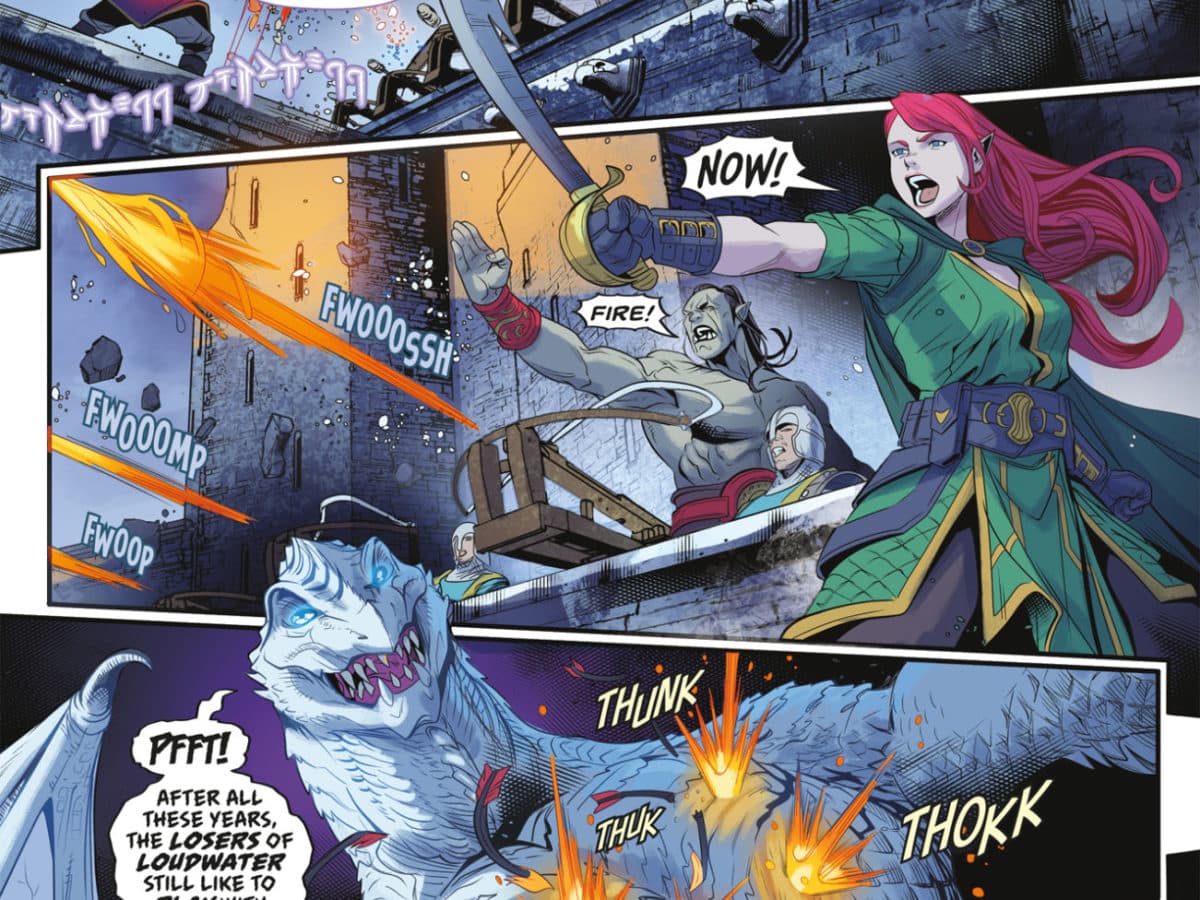
Treat adventures like game design to sharpen your sessions
Reframe adventure-writing as game design: define a clear gameplay goal, strip what doesn't serve it, and use design patterns to build encounters that deliver pacing, stakes, and player agency.
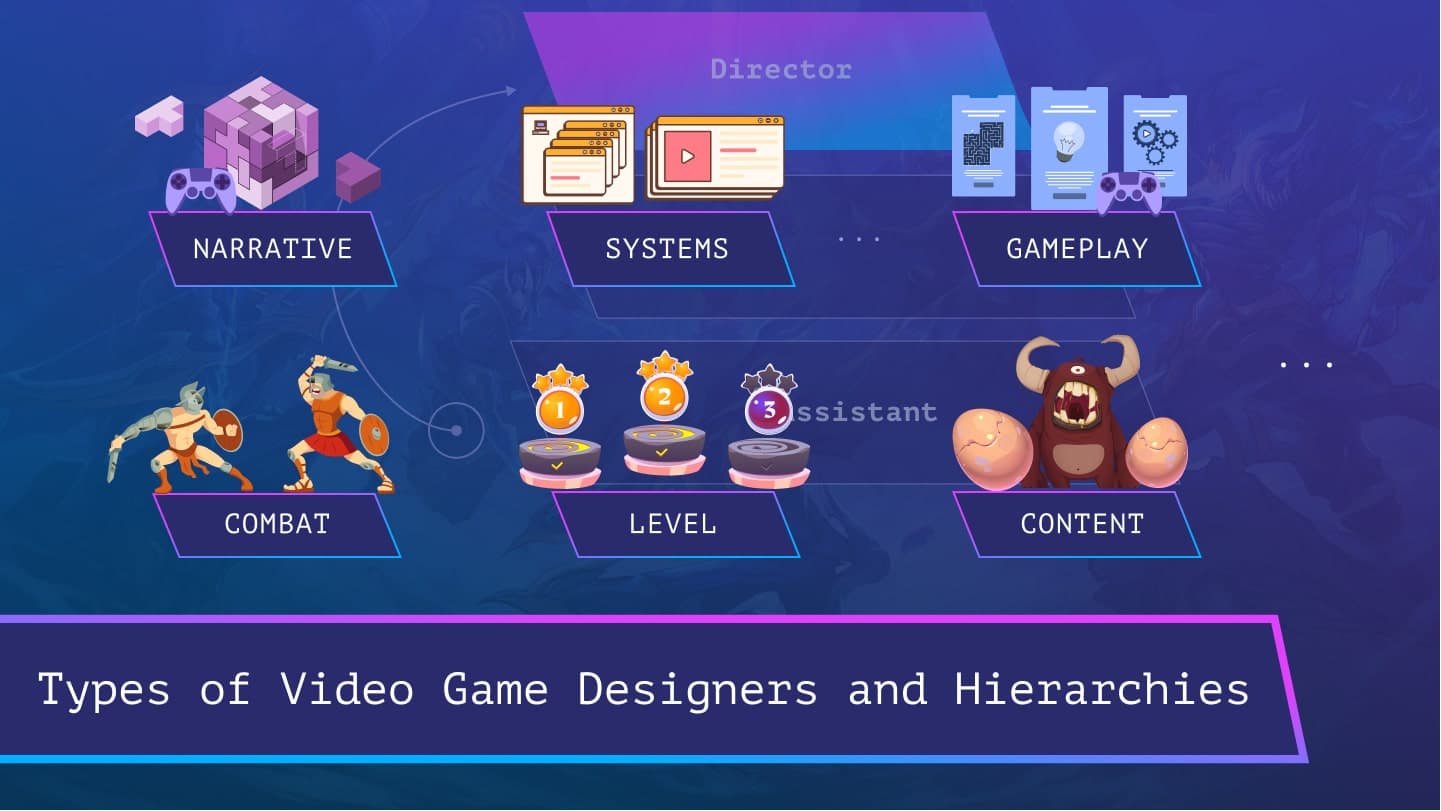
Reframe adventure-writing as game design and you get clearer pacing, more meaningful choices, and fewer gimmicks. Rather than sewing together interesting set pieces and hoping they add up to a satisfying session, start with a short design statement that defines what the scenario should feel like and what gameplay problem it solves.
Begin every scenario by naming its gameplay goal. Is this an endurance test to stress resource management, a social sandbox that rewards positioning and leverage, or a ticking-moment that forces hard choices? With that statement in place you can evaluate each scene, monster, and treasure against one question: does this element improve play toward the goal? If not, remove it.
Avoid one-size-fits-all mechanical fixes. A ticking time bomb can work, but it's a tool, not a default. Overusing rote tricks like constant clocks, wave fights, or villain monologues trains players to ignore variety and undermines agency. Design around desired gameplay needs instead: resource management, meaningful choices, and recognizably consequential failure states. Those needs dictate encounter structure, not cookie-cutter mechanics.
Translate needs into design patterns. Use tension pools to create long-term stakes that players can spend against short-term gains. Use clocks where visible progression and pressure matter, but tune their scale so they create meaningful choices rather than forced sprinting. Build role-based monsters that present tactical problems beyond hit points: a controller that strips positioning, a skirmisher that punishes the front line, a support that targets resources like spell slots or consumables. Match monster roles to the gameplay goal so every fight advances a dramatic purpose.
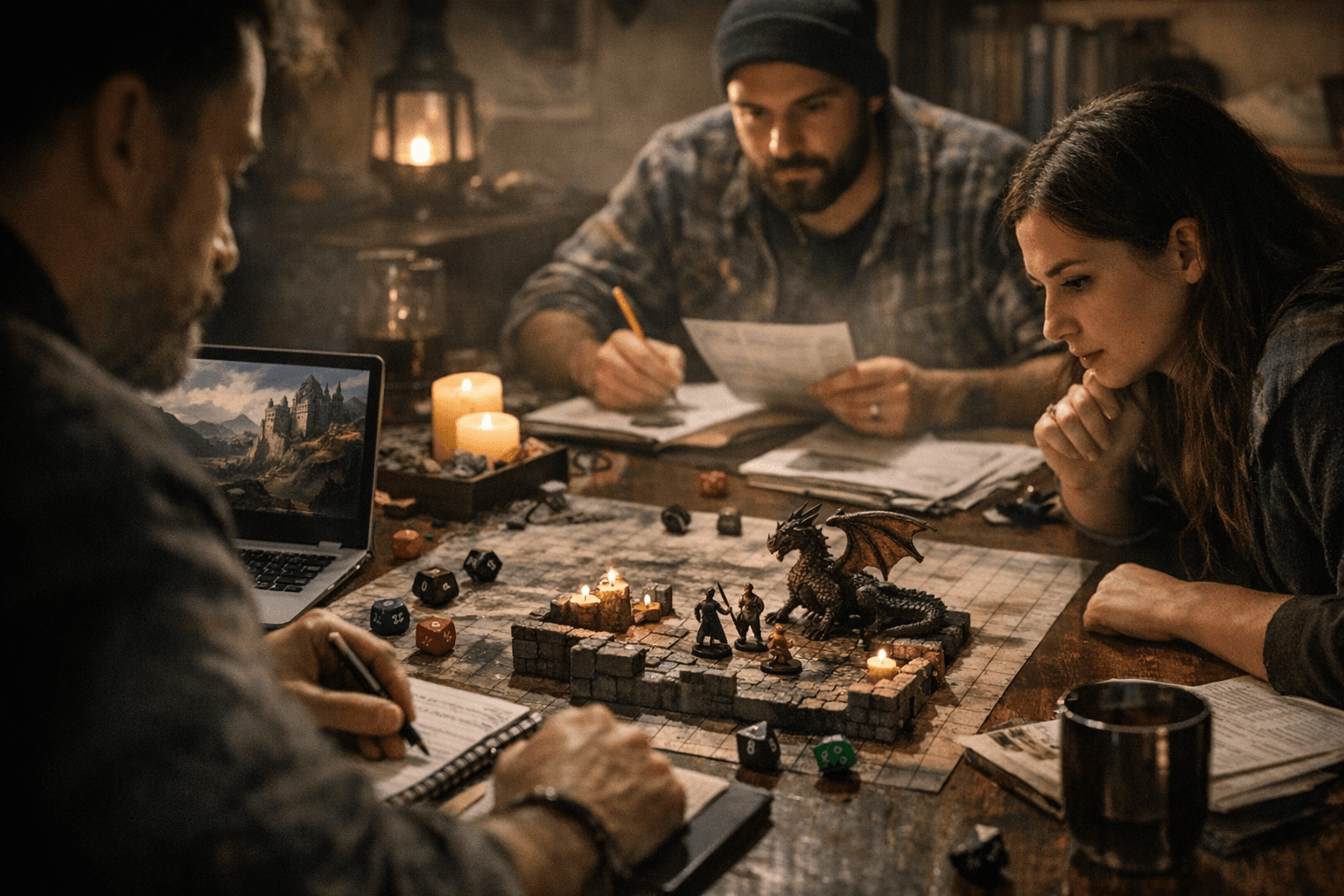
Craft encounters with explicit mechanical purposes. If you want resource management, include sequences that tax consumables and offer payoffs for thrift. If you want meaningful choices, set up dilemmas where every option carries a trade-off and a known failure state. If failure needs to be interesting, design fallback outcomes that redirect the narrative rather than stop play, such as complications that change the map or new threats that raise the stakes.
Practical takeaways you can apply between now and the next session: write a one-sentence design statement before you outline scenes; list the gameplay needs the adventure must satisfy; cut or repurpose anything that doesn't move those needs forward; and choose design patterns over automatic tricks. Playtest scales and clocks at the table and tune for your group's tempo.
This approach shifts prep from stuffing tables to crafting systems that produce drama. Expect tighter pacing, clearer stakes, and players making choices that matter. Try it for a one-shot or a short arc and iterate on the patterns that work for your table.
Know something we missed? Have a correction or additional information?
Submit a Tip