Trinidad, Cuba UNESCO town draws visitors with beaches, forests and e-visas
Cuba shifted to e-visas in 2025, making it easier to visit Trinidad — a UNESCO World Heritage town (1988) a 15-minute drive from Playa Ancón and 15 minutes inland from forests and waterfalls.
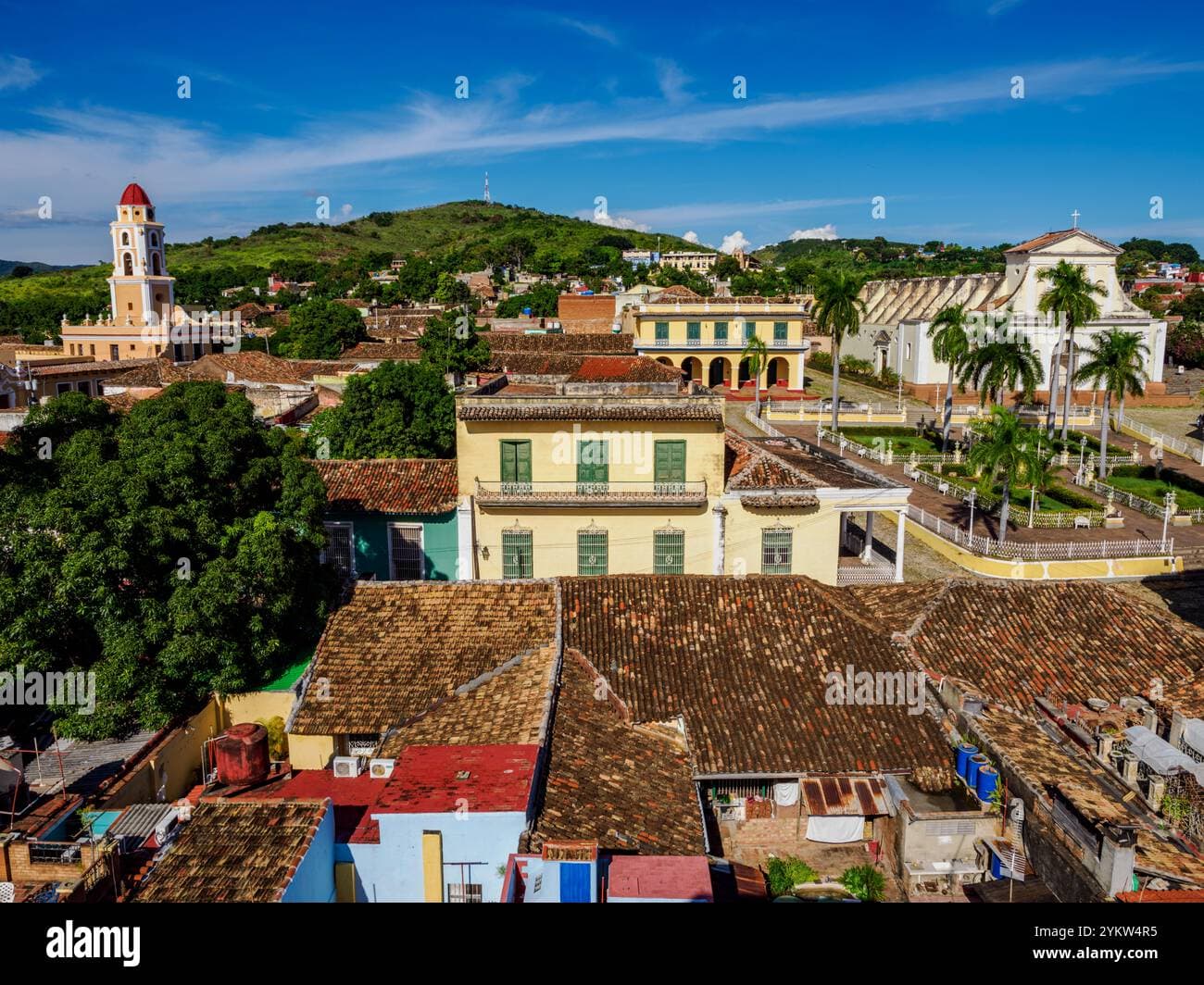
Cuba shifted to e-visas in 2025, a change that travel guides say should simplify entry for visitors headed to Trinidad, the UNESCO World Heritage colonial town that Divergent Travelers notes has held World Heritage status since 1988. The change dovetails with Trinidad’s reputation as one of the island’s most visited cultural destinations, where cobbled streets, pastel houses and Spanish colonial architecture converge on the picturesque Plaza Mayor.
Plaza Mayor sits at the town’s social center, surrounded by the Iglesia Parroquial de la Santísima Trinidad and the Museo de Historia Municipal housed in Palacio Brunet. Journeyswithlejune describes the church as “Cuba’s largest church” and places the Convento de San Francisco de Asis at the corner of Calle Cristo near the plaza; the convent was established around 1619 and, per that account, charges an entrance fee of 50 CUP that “gives you access to the museum and the bell tower which you can climb to the top of.”
Music and dancing define Trinidad’s nights. Casa de la Música perches beside Plaza Mayor and “will play each night” with live bands performing son and salsa, and Paulinetravels pushes visitors to join in: “Please don’t be shy; it will not work. All Cubans love dancing, including grandma, the five your old and all your new Cuban friends. I can’t dance salsa, but I can fake it, that is option two if you don’t take a salsa lesson! Which I regret not doing.” For a different flavor of salsa, Paulinetravels recommends Rincon de la Salsa.
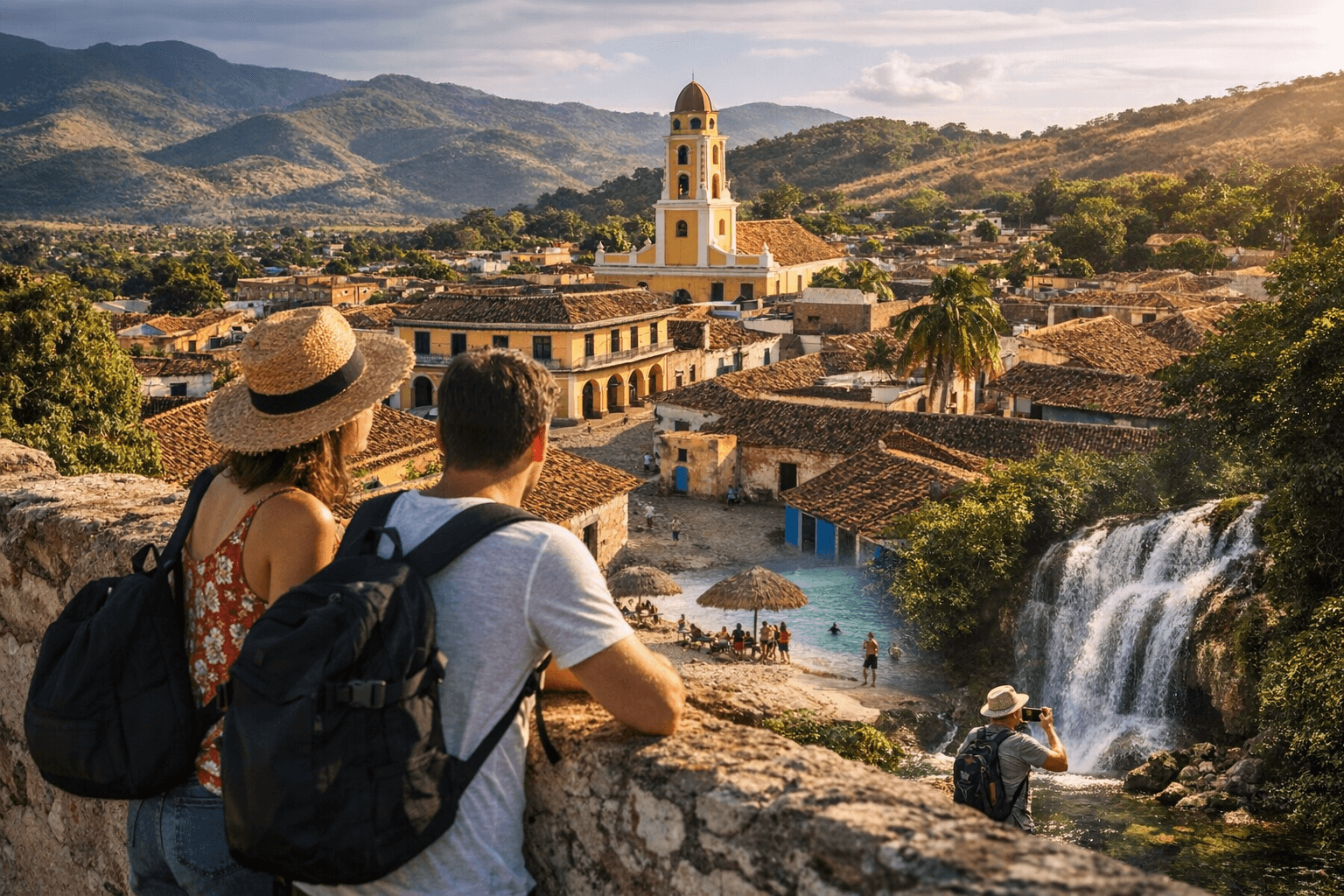
The surrounding countryside is part of the draw. Divergent Travelers and Journeyswithlejune point to the Valle de los Ingenios and the Manaca-Iznaga sugar estate as must-sees; visitors can climb the Manaca-Iznaga tower for panoramic views. Two ways into the valley coexist: a “vintage 1907 American steam train,” described as more touristy, and ethical horse trips run by a local Cuban man, with Paulinetravels suggesting extended horseback rides to soak into rural life. Playa Ancón is roughly 15 minutes from town and another 15 minutes inland brings travelers to tropical forests and waterfalls.
Accommodation and services are practical considerations. Paulinetravels recommends Casa de Norge for solo travelers, noting the owner is a Norwegian woman married to a Cuban, that the casa speaks Norwegian, English and Spanish, and that hosts can help organize more of a Cuba itinerary. For transfers and logistics, Bon Traveler recommends Welcome Pickups for private transfers with English-speaking drivers, and suggests Holafly unlimited data eSIMs for instant activation on arrival. Alittleadrift advises booking day tours via GetYourGuide, and Bon Traveler urges carrying travel insurance: “I never leave the country without travel insurance. It provides comprehensive protection in case anything goes wrong (ie. illness, injury, theft, or cancellations).”
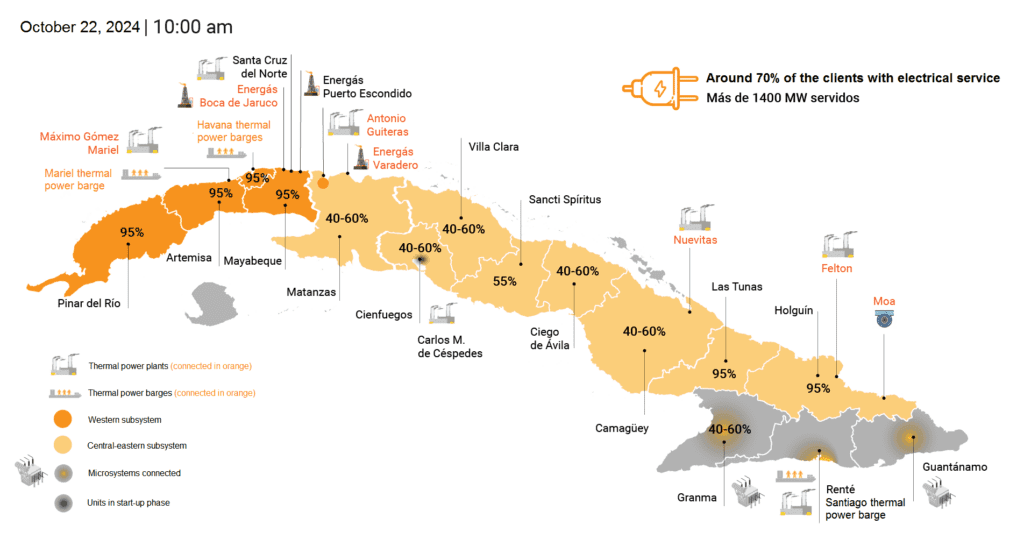
Safety impressions are broadly positive but not unqualified. Divergent Travelers reports, “Trinidad, Cuba is very safe for travelers. We had no issues during any time of day or night and we were never hassled on the streets while exploring,” while also warning that “petty scams” and rising crime have accompanied fast-growing tourism. Journeyswithlejune adds a caveat about utilities, noting power cuts are “quite normal these days” and advising visitors to plan evening plaza visits when power is working.
With UNESCO status, nightly live music, paladares that Bon Traveler calls among Cuba’s most exciting dining options, and cleaner entry via e-visas since 2025, Trinidad offers a compact mix of heritage, beach and nature — provided travelers prepare for spotty power, watch for petty scams, and arrange transfers and data ahead of arrival.
Know something we missed? Have a correction or additional information?
Submit a Tip