Trinidad's Historic Downtown and Trails Fuel Las Animas County Tourism
Trinidad's historic downtown and nearby trails are drawing visitors, lifting Main Street activity and underscoring preservation and infrastructure needs for local residents.
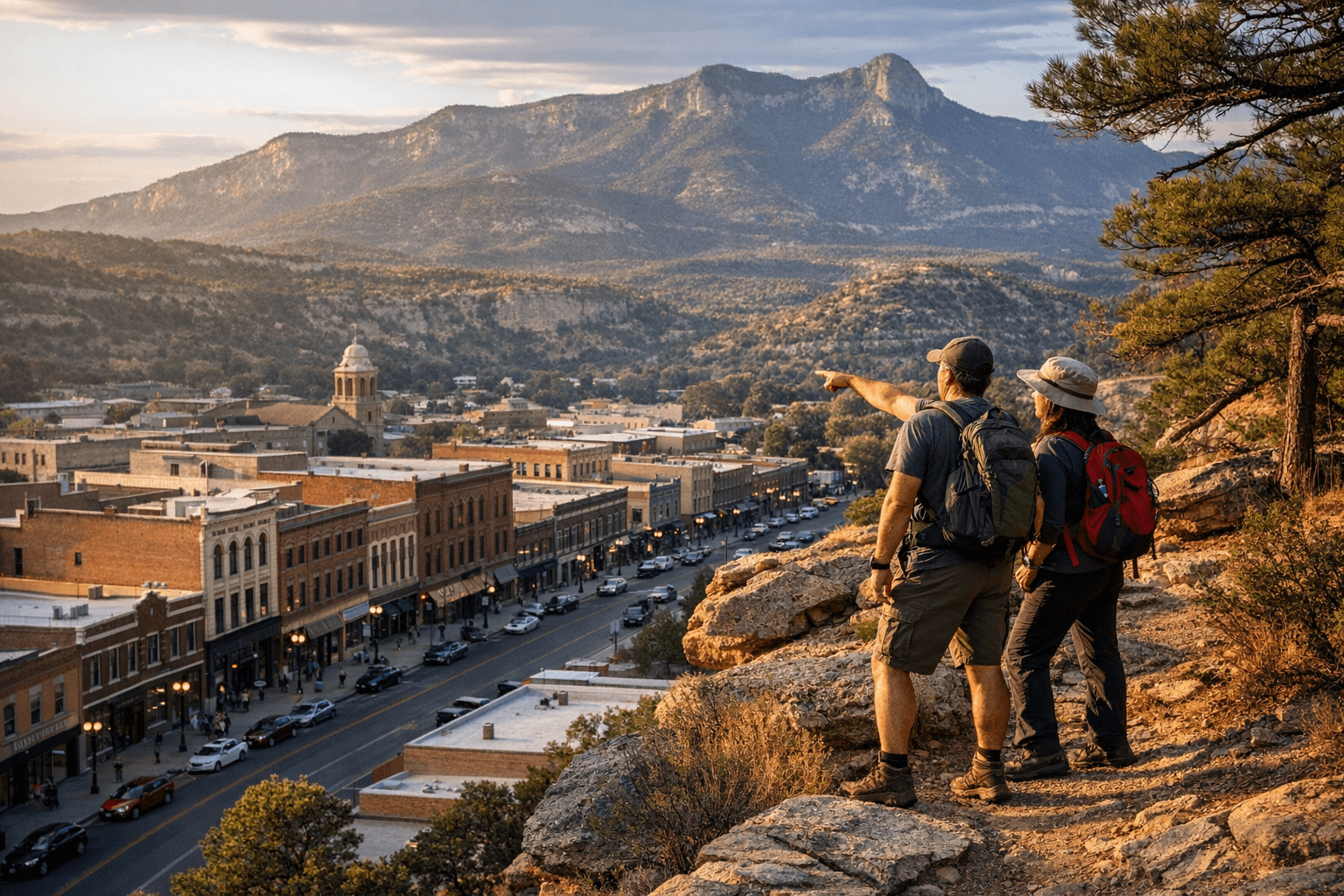
Trinidad's compact, walkable downtown and a cluster of new and historic trails are fueling tourism in Las Animas County, bringing more foot traffic to Main Street businesses and renewed attention to heritage preservation and local infrastructure.
The city marks the start of the Scenic Highway of Legends, a designated National Scenic Byway that travels north to Walsenburg through mountain passes and small villages. Annual events centered in Trinidad - Santa Fe Trail Days in June, the Spanish Peaks Music Festival and the Trinidaddio Blues Fest music series - anchor a seasonal flow of visitors that complement steady interest from outdoor recreationists.
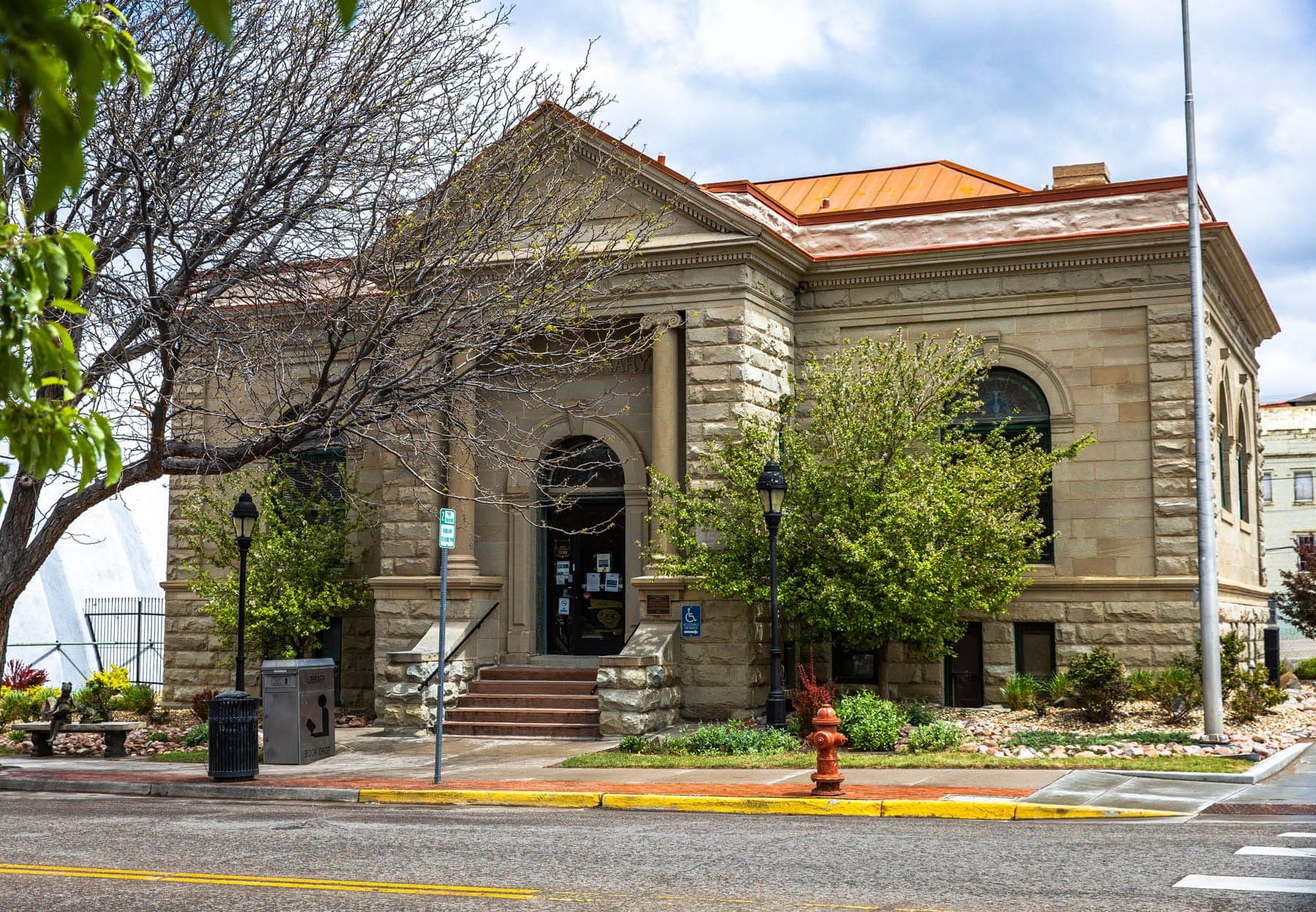
Historic downtown is the headline attraction. Corazón de Trinidad National Historic District features Baca House, Bloom Mansion, the Santa Fe Trail Museum, the Danielson Building, First Christian Church, First National Bank in Trinidad, Fort Wootton Veterans Memorial Square and the Las Animas County Courthouse. A three-part walking audio tour covers North Commercial Street, East Main Street and West Main Street; the tour draws on Gerald H. Stokes' printed guide, described on the tour pages as "the brilliant and incredibly detailed written guide" and "an irreverent and frankly gossipy guide through the Corazon de Trinidad National Historic District." The audio production credits Kristi Rogers for voice recording, and community members plus Marty Hackett of the Colorado Welcome Center contributed edits for currency.
Outdoor amenities extend the visitor day. The Purgatoire River runs through town with a Riverwalk and select in-town trout-fishing access points. Trinidad Lake State Park offers camping, hiking, fishing, boating and an archery range. Fishers Peak State Park is opening in phases, currently offering a "sneak peek" with three short trails, and to the east the Comanche National Grassland and Picket Wire Canyonlands host one of North America’s largest known dinosaur track sites.
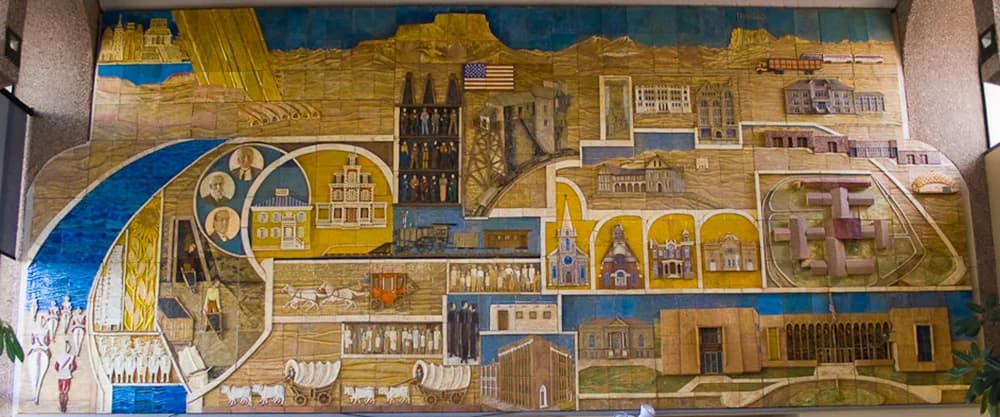
The county’s past shapes its tourism economy. Las Animas County’s mix of immigrant groups and native Spanish-speaking residents contributed to labor tensions and a "series of strikes against mine owners" during the mining era. Coal mechanization and falling production by the early 1920s pushed many miners away; agriculture became the economic mainstay in the 1920s and 1930s, and the arrival of major highways in the 1930s brought tourists into the region. Preservation work has followed: Colorado Preservation, Inc. named western Las Animas County one of Colorado’s most endangered historic places in 1998, and the Hispanic Cultural Landscape of the Purgatoire was "created to record the various elements of the Hispanic culture in the region, to build pride through awareness and education, and to move toward creating historic designation for this area of important historic and cultural value." The Hispanic Cultural Landscape received a June 1999 mini-grant administered through the Trinidad Historical Society and engaged a team including a historical archaeologist, a historian, a historical architect and two folklorists.
Local utilities and infrastructure bear watching as visitation rises. The city owns and maintains roughly 70 miles of electricity distribution serving about 4,200 customer accounts; Trinidad purchases power from the Arkansas River Power Authority over San Isabel lines, and the city power plant is retained for emergency generation. Primero Gas, the retail branch of Evergreen Resources, Inc., provides natural gas to the City of Trinidad.
For residents and business owners, the combination of festivals, heritage sites and new trails means more visitors on Main Street and greater demand for services and preservation funding. Check museum hours and event dates with the Trinidad Historical Society or Trinidad Tourism Board, and expect ongoing conversations about balancing tourism growth with infrastructure and conservation priorities.
Sources:
Know something we missed? Have a correction or additional information?
Submit a Tip