Triple-A attendance tops 30 million despite slight dip
Combined Minor League attendance reached 30,360,682 in 2025, down 2.9% from 2024. A late-season surge lifted averages and highlighted markets gearing up for new parks.

Minor League Baseball closed the 2025 season with a combined announced attendance of 30,360,682 across the 120 affiliated teams, a 2.9 percent decline from 2024 but still comfortably above the 30 million mark. The season-long announced average was 3,847 fans per game, a baseline that masks a notable late-season recovery that mattered to front offices and local fanbases alike.
From Aug. 1 through the end of the season, average announced attendance rose to about 4,151 fans per game, an 11.3 percent improvement compared with the pace through July 31. That late push was driven by strong final homestands in several markets, including send-off crowds in cities that are relocating or opening new ballparks in 2026. Those final-week energy spikes helped salvage season totals and offered clear proof that timing, narrative, and ballpark storylines still move the needle.
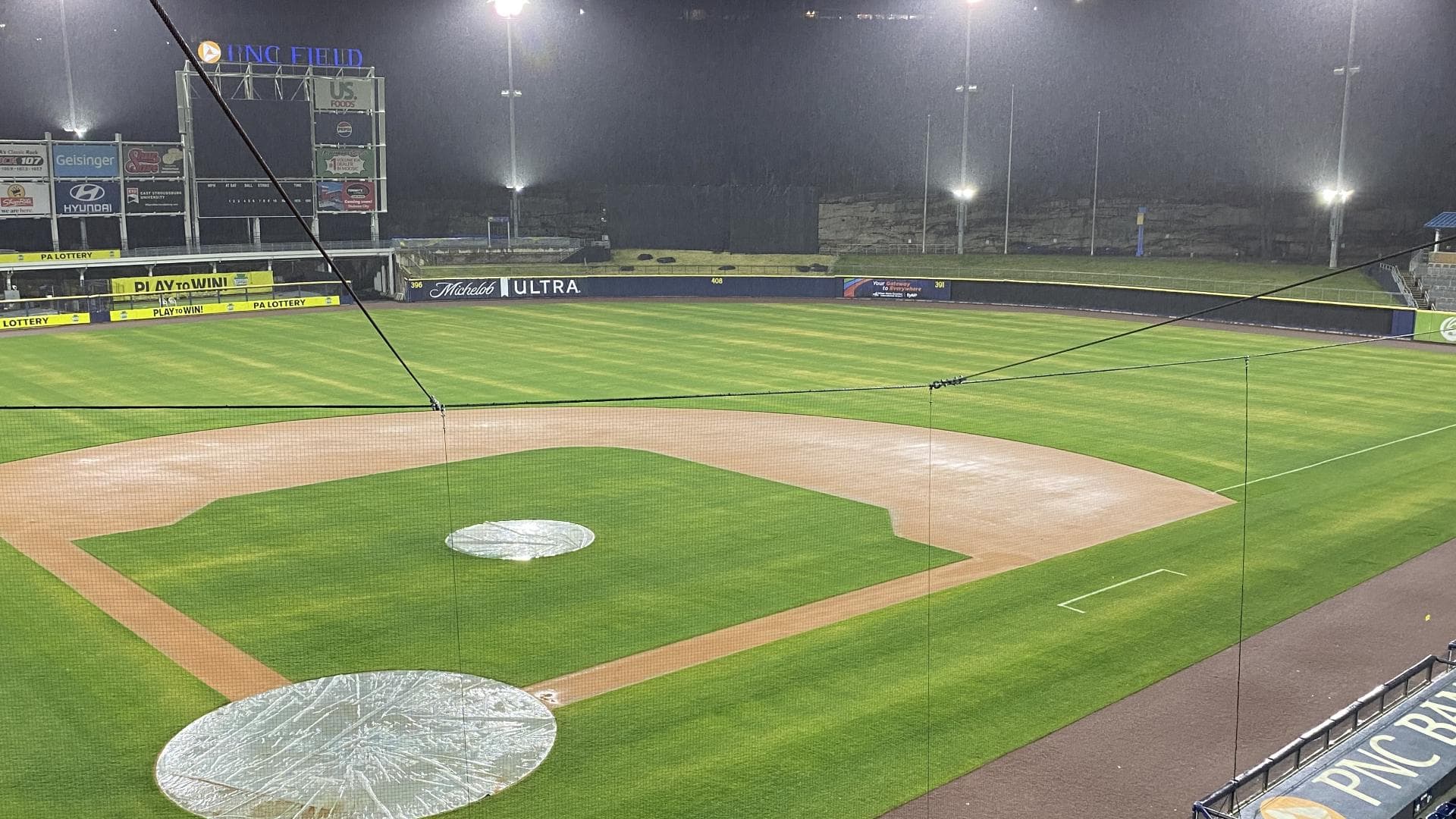
At Triple-A, leaders stood out by a wide margin. Lehigh Valley led the level with an announced total of 585,167 and an average near 8,242 fans per game. Indianapolis and Columbus followed with averages around 7,817 and 7,330 respectively. Nashville averaged about 7,042 fans, and other high-average Triple-A clubs included Worcester, Albuquerque, Las Vegas and Durham. The Dayton Dragons were also among leaders in per-game averages for their level, reinforcing the strength of smaller markets with deep community ties.

Beyond the top performers, the full breakdown showed clear winners and losers across levels. Year-over-year swings reflected a mix of market factors: roster draw, promotional calendars, weather, and the tangible buzz around stadium projects or relocations. Teams that leaned into end-of-season storytelling and send-off nights saw measurable boosts, while others that lacked those narratives or faced local competition posted softer numbers.
Why this matters for fans and local operations is practical. Attendance trends shape promotional calendars, staffing needs, and revenue projections heading into 2026. Strong late-season crowds can justify expanded hospitality staffing, extended ticket windows and higher sponsorship valuations. Conversely, smaller drops in pace force teams to rethink promo mix, pricing and community outreach during spring and midseason stretches.

The takeaway? Momentum matters as much as totals. If you follow Triple-A closely, pay attention to which markets are building buzz around new parks and which clubs are getting creative with homestand storytelling. Our two cents? Show up to those finale nights and neighborhood promotions — they influence what teams invest in next season and keep the tailgate conversations lively.
Sources:
Know something we missed? Have a correction or additional information?
Submit a Tip