Trump administration imposes 10% global tariff, $175bn in refunds and new winners emerge
The White House applied a 10% global import tariff under Section 122, creating an estimated $175 billion refund pool and shifting advantages toward high-tariff exporters like China.

The Trump administration implemented a flat 10% global tariff on imports under Section 122 of the Trade Act of 1974, immediately exposing what one report estimates as roughly $175 billion in refundable duties and reshuffling which countries and companies stand to gain. The tariff, which can remain in place for 150 days without congressional approval, supplants a tiered levy system the U.S. Supreme Court struck down on 20 February.
Political Wire, quoting New York Times reporting, captured the effect plainly: “President Trump’s new 10 percent tariff on global imports has created a new slate of winners and losers, suddenly reshuffling the prospects for countries that have spent many months angling for lower tariff rates than their neighbors and competitors.” Countries that had faced the highest rates under the prior scheme, China, Bangladesh, Vietnam, Indonesia and Brazil, are the immediate beneficiaries, while close U.S. allies that had negotiated preferential lower rates such as Britain, Australia, Singapore, Japan and Taiwan lose that relative advantage.
The move came amid public mixed messaging from the president. BBC noted that after the Supreme Court blocked earlier sweeping tariffs, Mr. Trump said he would introduce a 10% global rate and then said on Saturday the rate would be 15%. Official documents, however, show the lower 10% rate took effect Tuesday, and the White House had not issued a directive to increase the rate, the BBC reported. NBC added that Section 122 permits the 10% rate to remain for 150 days without congressional approval.
The new flat rate produced immediate diplomatic and commercial friction. NBC reported that Indonesia had just agreed to a 19% tariff the day before the court ruling, and that Japan and Taiwan had previously pledged hundreds of billions of dollars in U.S. investment in exchange for 15% rates. Britain stressed that a negotiated “basic 10% tariff deal” remains in place for key sectors including vehicles and planes; Peter Kyle, Britain’s Business and Trade Secretary, said, “It was the best deal and it remains the best deal, and the fundamental terms that we had negotiated with the United States remain in place.” Still, small exporters voiced anxiety: Daniel Graham, managing director of UK tea business Birchall, said, “The fact that we're at 10% rather than 20% is better than it was, but will it stay that way?”
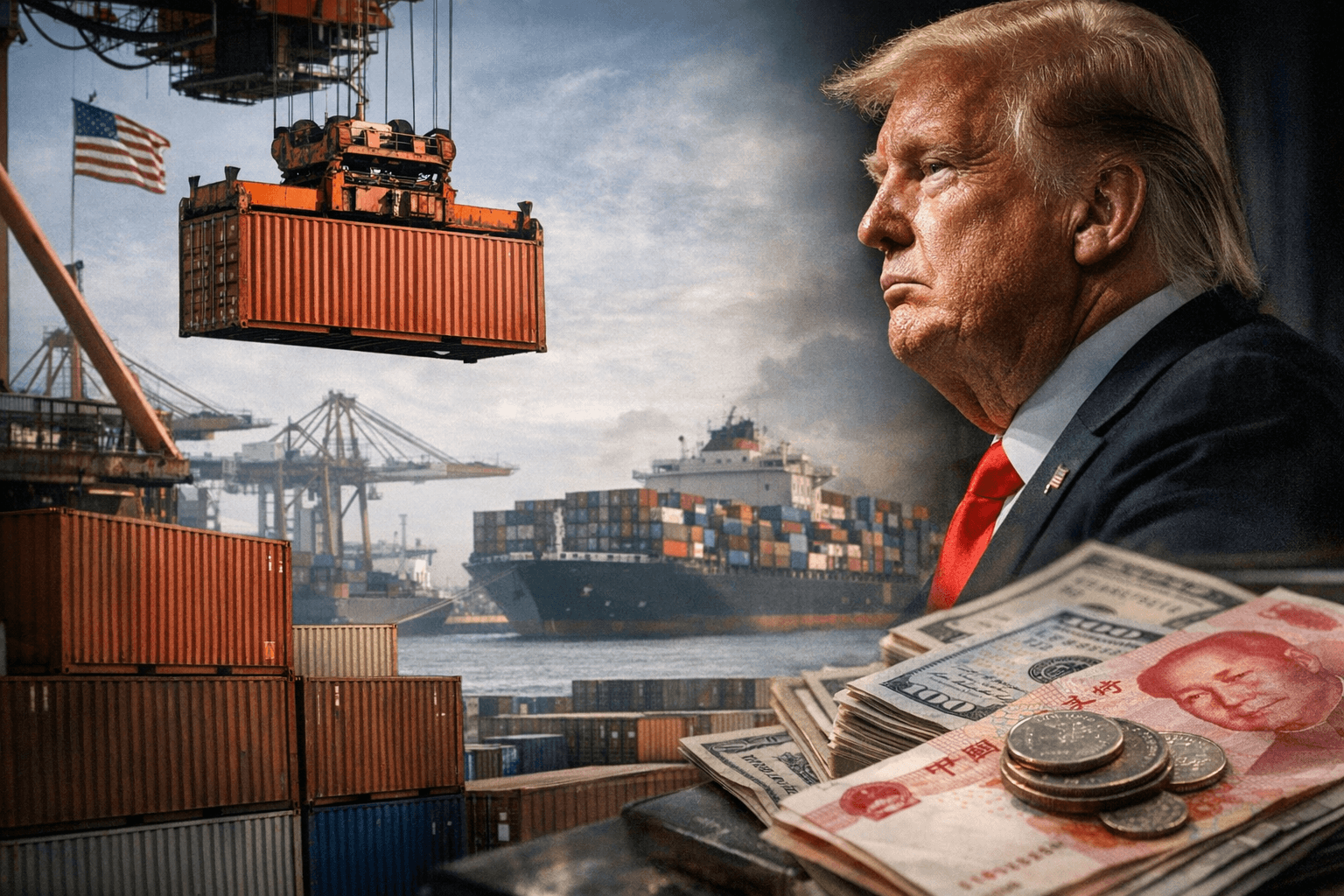
Beyond shifting geopolitical winners and losers, the Supreme Court’s decision has unlocked a wave of litigation. The Guardian reports hundreds of thousands of U.S. businesses are seeking advice about refunds, with examples of FedEx, L’Oreal and Dyson already suing. The paper estimates a $175 billion refund pot and describes a surge of demand for trade lawyers, hedge funds buying rights to refund claims and technology firms offering to streamline claims. Guardian reporting noted that at 8am, two hours before the Supreme Court action, attorney Joseph Spraragen’s phone “was already ringing off the hook,” and quoted Georgetown law professor Jennifer Hillman: “To me, the only winners from this trade war that Trump has launched, have been the lawyers.”
Economists warn the tariff will alter corporate incentives. Alicia García-Herrero of Natixis called China the “biggest winner,” saying the lower effective U.S. tariff reduces the incentive for companies to shift production out of China, at least temporarily. Key questions remain unresolved: whether the administration will raise the rate toward the 15% target mentioned publicly, how refunds will be allocated, whether consumers will see relief from higher prices, and how the measure will affect Mr. Trump’s planned diplomatic engagements, including an upcoming trip to China.
Know something we missed? Have a correction or additional information?
Submit a Tip