Trump administration keeps IRS shield over family, business audits
The Justice Department scrapped a nearly $1.8 billion payout, but kept a tax shield blocking audits of Trump, his family and related businesses. The fight now centers on executive power, not just money.
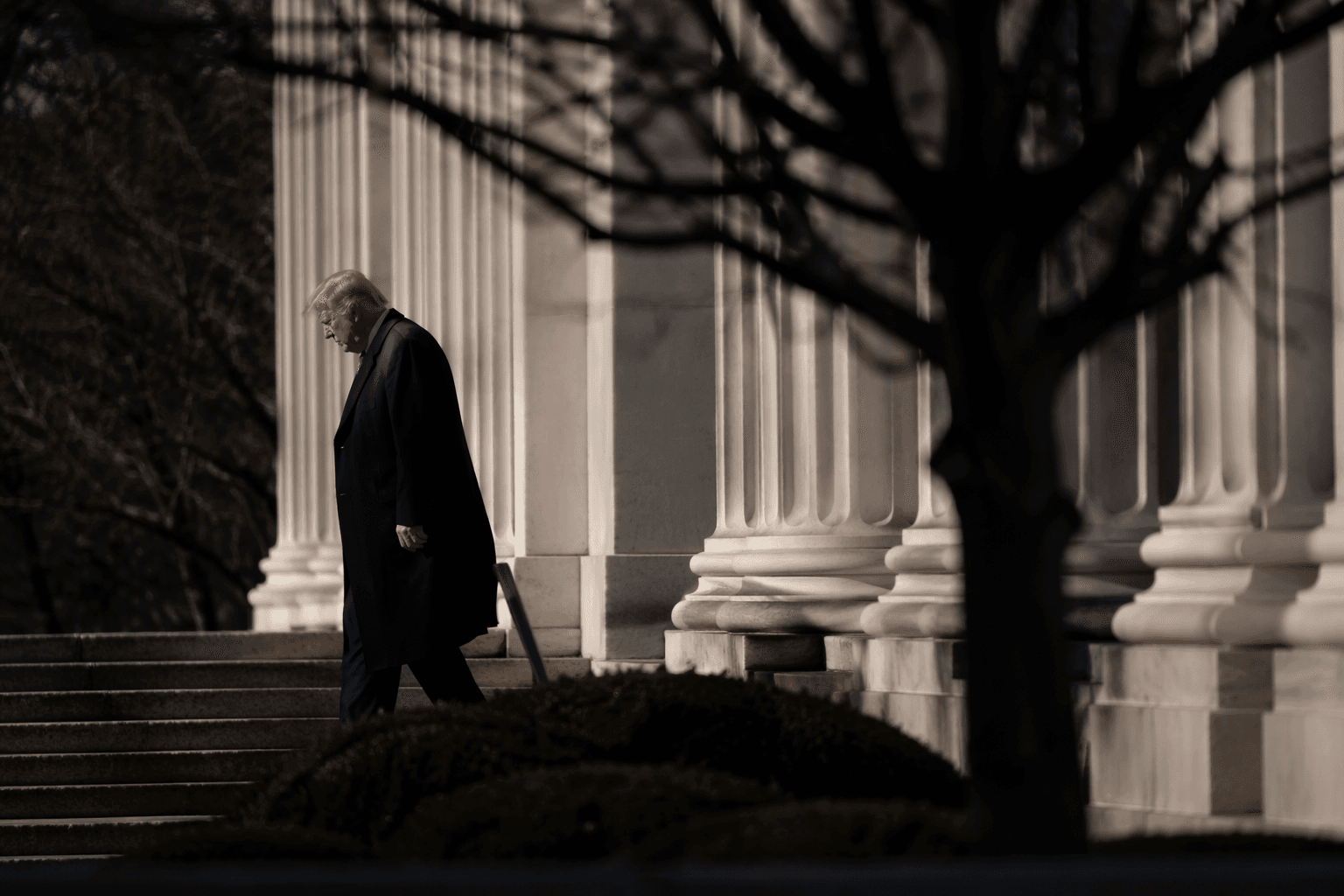
The Justice Department abandoned a nearly $1.8 billion compensation fund for Donald Trump while leaving in place an order that shields Trump, his family and related businesses from certain Internal Revenue Service scrutiny. Todd Blanche told House lawmakers that the department would not move ahead with the fund, but he also said Trump, his relatives and related business entities remained protected from tax audits and enforcement actions for returns filed before the May 19, 2026 settlement.
That distinction turned the dispute from a settlement fight into a test of institutional limits. The signed addendum says the IRS is “forever barred and precluded” from pursuing examinations or reviews tied to Trump and related people and companies involving matters that were pending, or could have been pending, before the IRS or other agencies. The Justice Department later said the protection applied to existing audits, not future ones, but the breadth of the language raised alarms about whether a president can effectively bargain away tax enforcement for himself and his circle.
The settlement expanded far beyond Trump alone. It extended protection to the Trump Organization, trusts, affiliates, subsidiaries and other connected companies, placing a wide ring of businesses under the same shield. Critics said that mattered because a long-running IRS audit of Trump’s taxes could have produced a bill of more than $100 million, making the audit ban a consequential barrier even though it remains unclear whether Trump, his family or their businesses were under audit at the moment.
Democrats seized on that concern. Sen. Ron Wyden said the arrangement violated federal law that bars executive-branch interference in IRS audits. A group of House Democrats called the deal collusive and said it violated separation-of-powers principles. Their objection was not only to the size of the payout, but to the precedent of an administration shaping tax enforcement outcomes through litigation settlement.
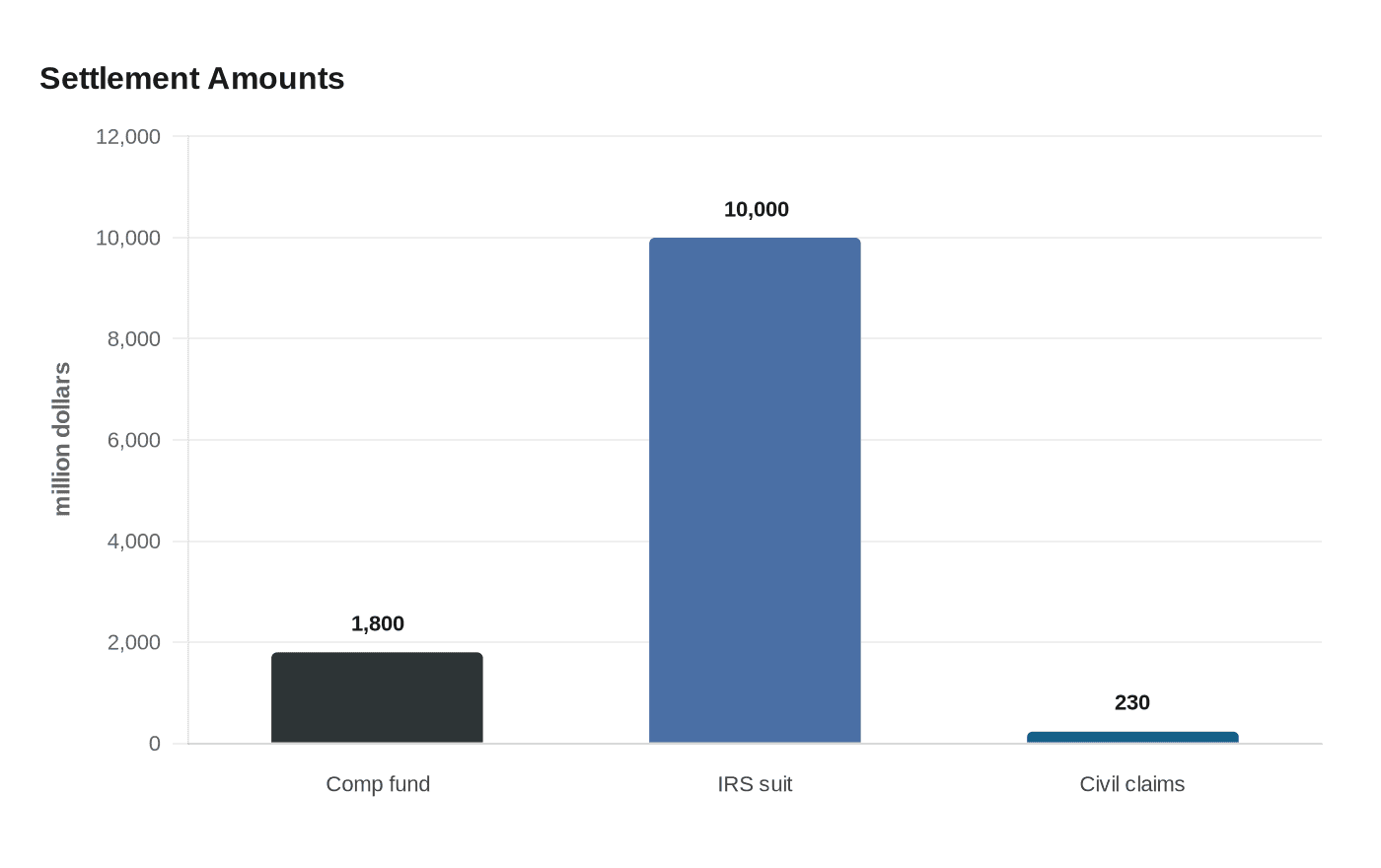
The matter is now under judicial scrutiny as well. U.S. District Judge Kathleen Williams opened an inquiry on May 29 after former federal judges urged her to examine whether Trump’s lawsuit was a pretext for the settlement. Another judge had already ordered a temporary pause on the fund. The dispute grew out of Trump’s $10 billion lawsuit against the IRS over the leak of his tax returns by a private contractor who pleaded guilty in 2023 to stealing the information and leaking it in 2019 and 2020.
The original arrangement also resolved Trump’s two civil claims seeking $230 million tied to the Russia investigation and the 2022 search of Mar-a-Lago. What remains now is a narrower but more durable question: whether the executive branch can settle a private dispute while preserving a bar on tax enforcement that reaches the president’s family, businesses and the agencies meant to police them.
This article was produced by Prism’s automated news system from verified source data, official records, and press releases, then run through automated quality and moderation checks before publishing. The system is built and supervised by the people who set the standards it runs under. Read our full AI policy.
Know something we missed? Have a correction or additional information?
Submit a Tip