Trump administration offers no plan to refund tariffs paid by shoppers
Businesses and millions of consumers who paid now-illegal import tariffs await refunds as the administration provides no process, creating uncertainty for retailers and Treasury costs.
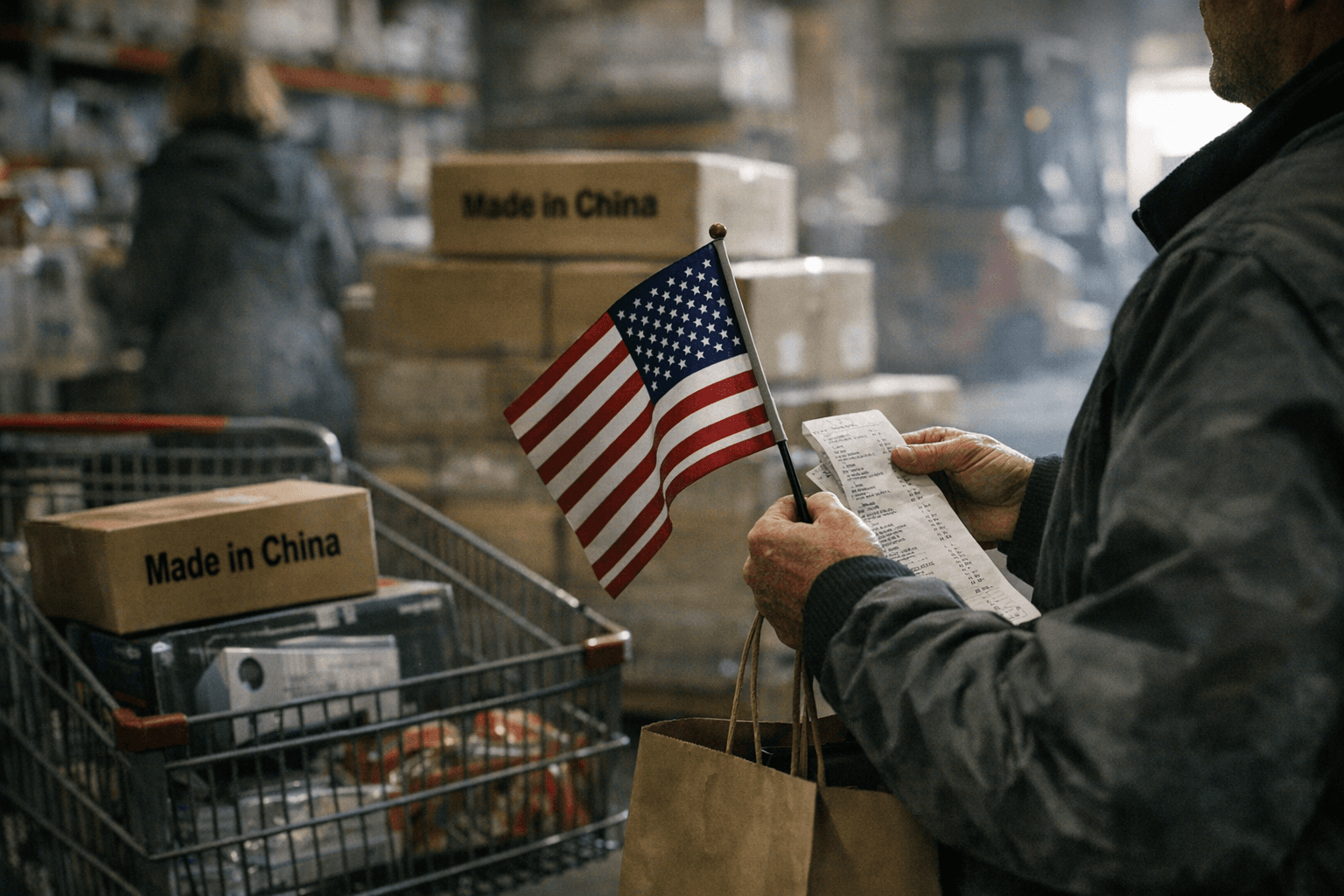
Businesses and consumers who paid import tariffs that courts have now deemed illegal are still waiting for refunds, after the Trump administration declined to lay out a process for returning fees collected at the border. The gap has left retailers, manufacturers and ordinary shoppers unsure whether the extra costs they absorbed or passed on at checkout will ever be returned.
Customs duties collected on imports have been a steady, if modest, source of federal revenue, accounting for roughly 1 percent of federal receipts in recent years. But when tariffs are concentrated on particular product lines, refunds can climb into the billions of dollars and affect supply chains and retail pricing across entire sectors. Many of the contested levies were assessed in recent years at rates commonly in the low tens of percentage points, amplifying the cost impact on electronics, apparel and household goods.
Federal customs officials have the technical capacity to issue duty drawbacks and refunds, but there is no announced administrative pathway for merchants or consumers to claim back charges in bulk. Absent clear guidance, importers face a complex choice: mount individual claims, which can be time-consuming and costly, or seek legislative relief from Congress. For small businesses and households, the paperwork and legal expense may effectively foreclose recovery.
The market implications are immediate. Retailers that absorbed tariff costs to keep prices competitive are weighing margin restorations against the legal and operational hassle of reclaiming duties. Firms that passed tariffs through to customers risk having to refund price differences if wholesalers or customs officials force retroactive corrections. That ambiguity introduces inventory and pricing risk at a time when retailers are already contending with compressed margins and higher borrowing costs.
The administration’s silence also shifts costs onto the Treasury and, potentially, taxpayers. If the government ultimately authorizes refunds, the budget impact will depend on how far back the claims reach and whether interest or penalties are added. If no administrative remedy is forthcoming, expect a wave of litigation and lobbying for special legislation to authorize repayments and set criteria for eligibility.
Beyond the immediate fiscal and market effects, the episode highlights a longer-term policy challenge: unilateral tariff policy, when later reversed by courts or trade panels, creates contingent liabilities that ripple through supply chains. Firms make sourcing and pricing decisions based on prevailing trade rules; sudden reversals without clear remediation mechanisms produce distortions that welcome no party. For policymakers, the lesson is structural: design tariff programs with exit strategies and consumer remediation in mind to avoid transferring excessive risk to downstream buyers.
For consumers the impact is tangible: the prices they paid at stores and online often included extra levies that may never be clawed back without government action. For businesses, the choice is between absorbing losses, pursuing costly legal claims, or pressing Congress for relief. The administration’s next move will determine whether the outcome is orderly refunds administered through customs, a surge of litigation, or a political fight in Congress that could leave billions unresolved.
This article was produced by Prism’s automated news system from verified source data, official records, and press releases, then run through automated quality and moderation checks before publishing. The system is built and supervised by the people who set the standards it runs under. Read our full AI policy.
Did this article answer your question?

