Trump administration permitting stalls $121 billion in solar and wind projects
Permitting delays are putting $121 billion and 92 GW of wind, solar and storage at risk as data-center demand strains the grid.

Federal permitting delays are putting more than $121 billion in renewable-energy investment at risk, with 92 gigawatts of new wind, solar and storage supply hanging in the balance. The slowdown lands as utilities and developers race to add power for data centers, electrification and manufacturing, while solar, batteries and wind made up nearly 90% of the record 53 gigawatts of new U.S. generating capacity added in 2025.
An August 2025 Interior Department order issued by Doug Burgum has added new hurdles for projects seeking federal approvals. The Federal Energy Regulatory Commission is also pressing grid operators to create a faster interconnection path, but utility-scale queues remain a major bottleneck in regions seeing heavy data-center growth, where developers can spend years waiting to connect new plants to the grid.
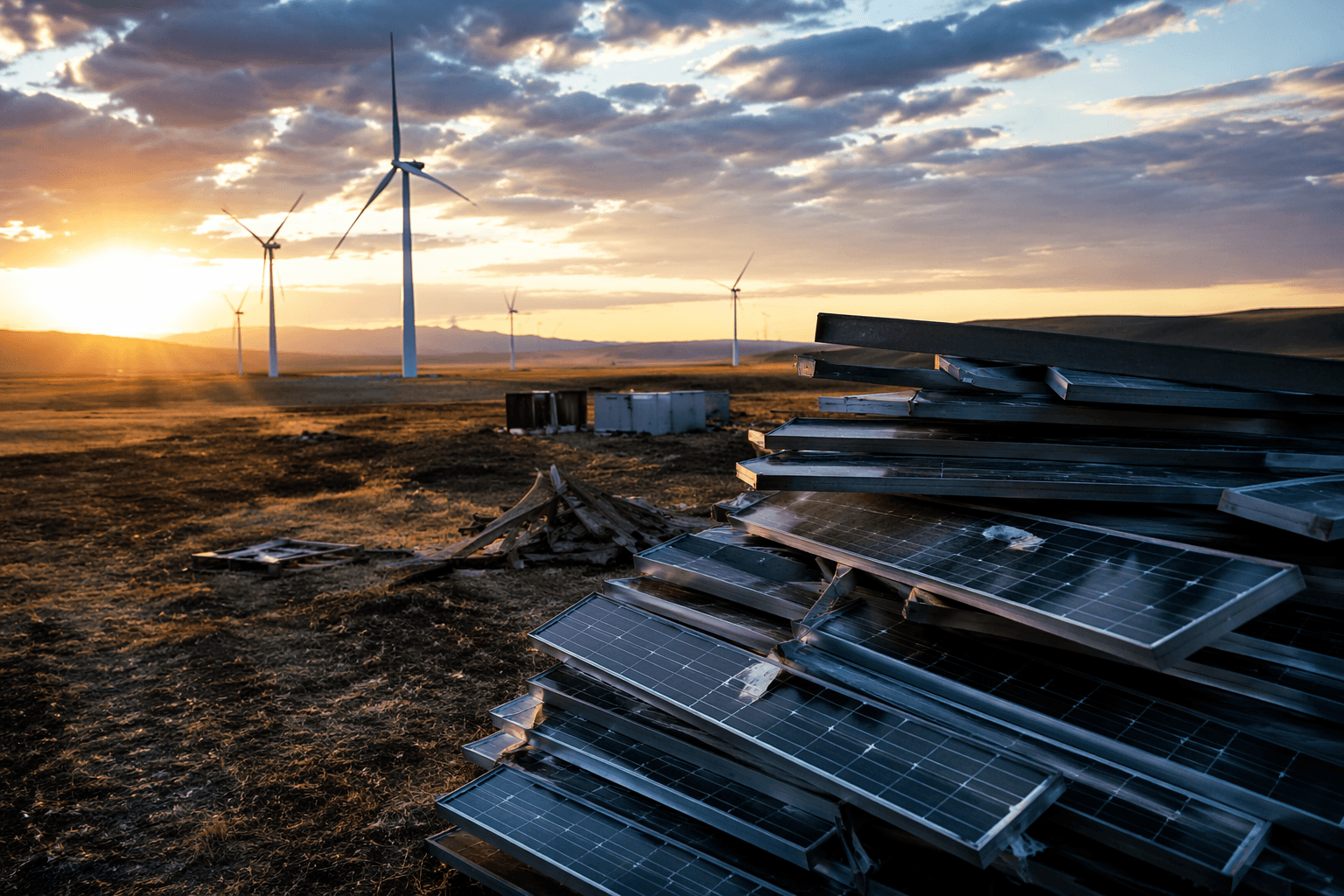
The Solar Energy Industries Association put more than 500 solar and storage projects totaling nearly 116 gigawatts at risk in November 2025, more than half of all new power planned in the United States through 2030. The association's Q2 2026 outlook: permitting continues to constrain near-term capacity additions because of the Interior Department’s memorandum on solar and wind development. The association's Q1 2026 market report put U.S. solar additions at 7.8 gigawatts in the first quarter and solar and storage at more than 90% of new power.
A federal judge vacated a Trump administration policy on June 8 that had made it tougher for wind and solar projects to claim federal tax subsidies. Separately, the July 4, 2025 tax law set a deadline for solar and wind projects to begin construction by July 4, 2026 or be placed in service by the end of 2027 to qualify for federal incentives.
This article was produced by Prism’s automated news system from verified source data, official records, and press releases, then run through automated quality and moderation checks before publishing. The system is built and supervised by the people who set the standards it runs under. Read our full AI policy.
Did this article answer your question?

