Trump administration plans export push for U.S. AI systems and chips
Washington is moving to back foreign sales of U.S. AI systems with federal financing, aiming to lock in allies before China sets the terms.
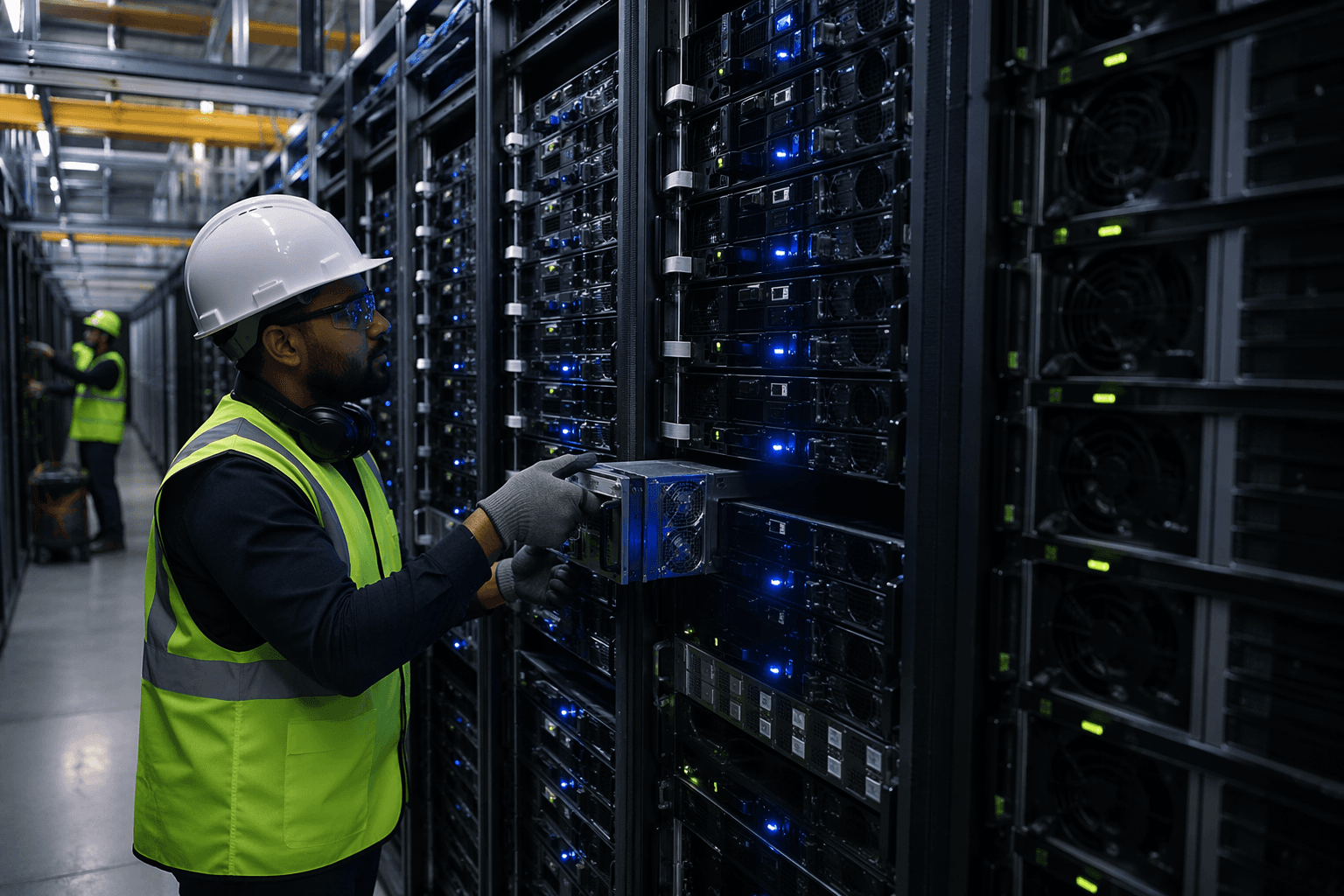
The Export-Import Bank of the United States is poised to become a new engine for selling American artificial intelligence abroad, with a Trump administration plan that would use federal backing to help foreign buyers finance U.S. AI systems, chips and related services. The proposal, set for consideration by the bank’s board on Thursday, would offer insurance, loan guarantees and, for longer transactions, direct loans, turning export finance into a tool of industrial policy with clear geopolitical stakes.
The push follows Executive Order 14320, signed on July 23, 2025, which created the American AI Exports Program and directed the Commerce Department to build and carry out support for U.S. full-stack AI export packages. The White House has described those packages as including hardware, data systems, AI models, cybersecurity and applications for sectors such as healthcare, education, agriculture and transportation. In the administration’s framing, the goal is not only to sell more technology, but to help American systems become the default choice for allies and partner countries.
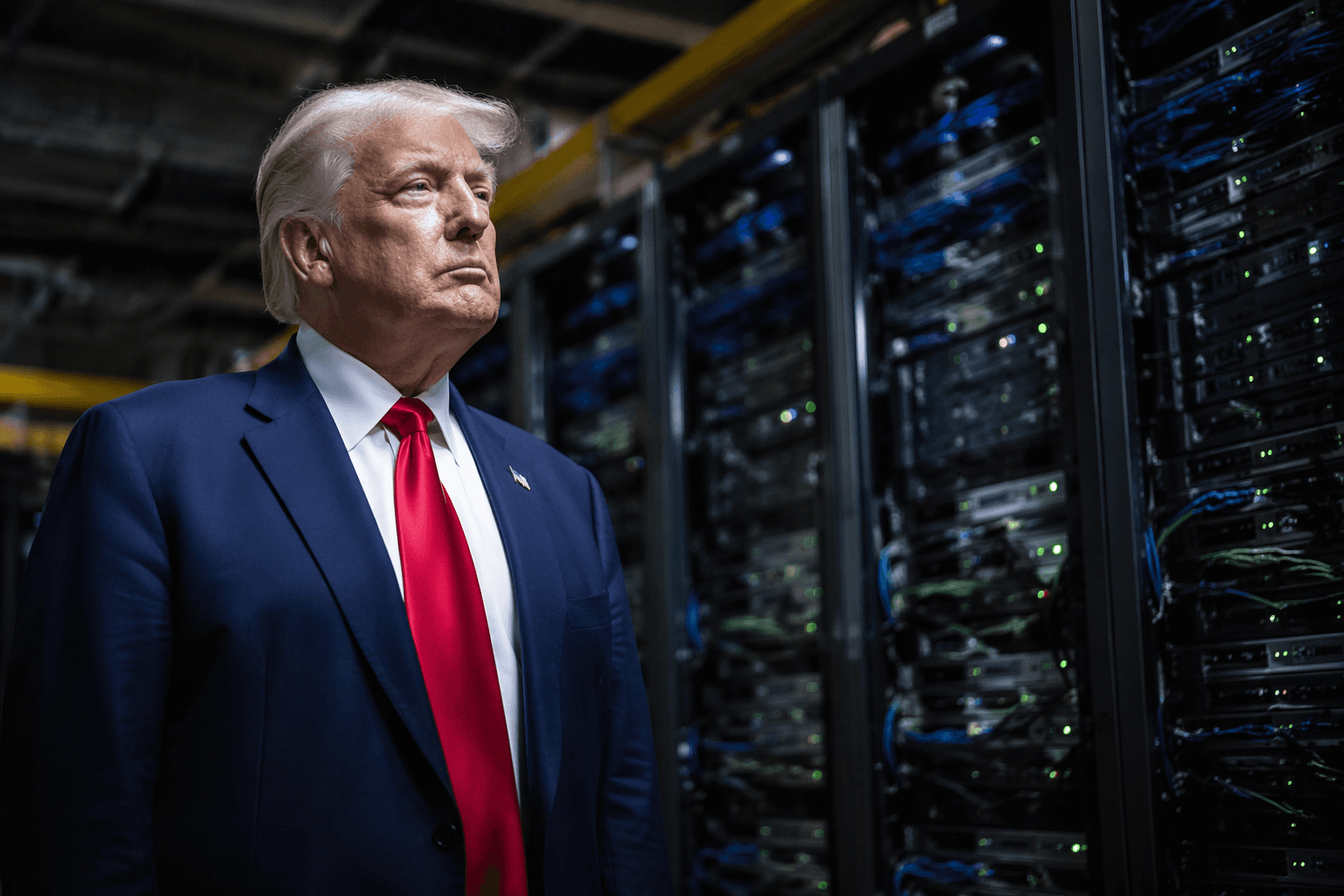
That ambition still runs through Washington’s gatekeeping machinery. The Commerce Department’s Bureau of Industry and Security would still need to approve licenses for sensitive technologies, including advanced chips such as those made by Nvidia, before financing could be completed. On January 13, 2026, BIS said it would review license applications for Nvidia H200, AMD MI325X and similar chips to China on a case-by-case basis if certain security requirements were met. The message was clear: Washington wants to make U.S. AI easier to buy abroad, while keeping control over the most strategic hardware.
The competitive pressure is coming from Beijing as much as from corporate rivals. Reuters reported that DeepSeek released a preview of a model adapted for Huawei chip technology in April 2026, a signal that China is pushing its own stack of hardware and software into global markets. The White House’s AI Action Plan said Commerce and State would work with industry to deliver secure, full-stack AI export packages to America’s friends and allies, underscoring how closely trade policy and strategic competition are now linked.
For U.S. companies, federal financing could help close deals that might otherwise go to Chinese competitors. For overseas buyers, it could also deepen dependence on American systems in places where hospitals, schools, transport networks and other public services increasingly rely on AI infrastructure. That makes the initiative more than a sales pitch. It is a bid to shape who builds the world’s AI backbone, who profits from it and whose rules govern it.
Know something we missed? Have a correction or additional information?
Submit a Tip