Why robot vacuums have become the smartest home gadget conflict
Robot vacuums now define the smart home debate. The real questions are privacy, reliability, and whether the machine fits the home.
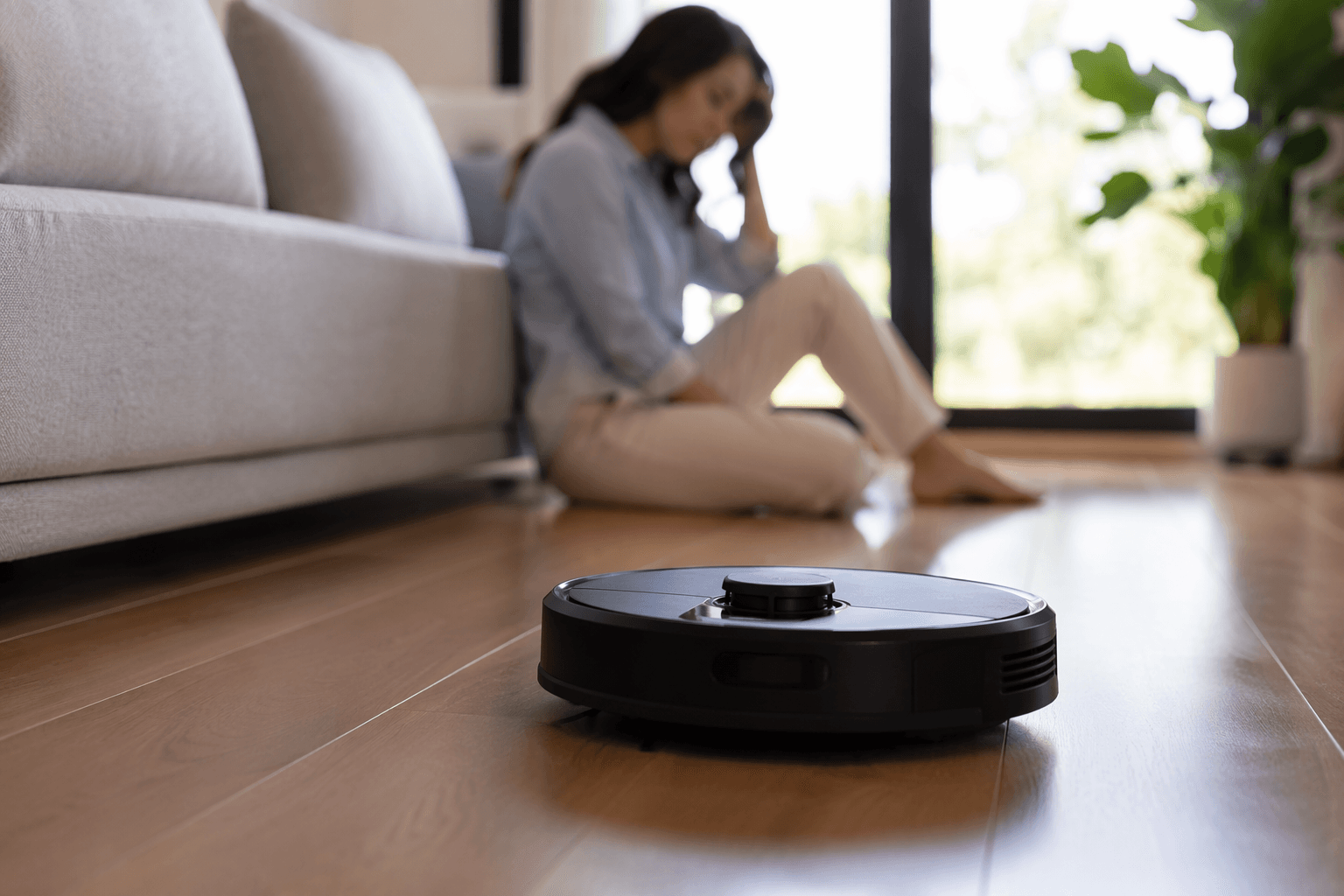
The robot vacuum is no longer a novelty
The robot vacuum has become the smart-home device people actually live with, not just admire. In an exclusive subscriber AMA at 10 AM PT / 1 PM ET, The Verge’s senior smart home reviewer Jennifer Pattison Tuohy is answering questions about a category she tests every day, and the timing fits a market that keeps getting more complicated. She has tested more than 20 different mopping robots for the publication’s guides, which is one reason her coverage reads less like gadget hype and more like home infrastructure reporting.
That shift matters because the category is no longer about a puck-shaped machine that bumps into chairs and calls it a day. The Verge’s guide says the market now stretches from basic bump-and-roll bots to vacuums with arms and models that can climb stairs. In other words, the robot vacuum has evolved from a convenience toy into a machine expected to deal with real homes, real clutter, and real compromises.
Why buyers are asking different questions now
The best robot vacuum is no longer the one with the flashiest spec sheet. The Verge’s current buying guidance says the right choice depends more on a home’s floors, rugs, clutter, and general layout than on raw headline features. That is a more practical standard, and a more honest one, because a robot that excels in a sparse studio can fail badly in a crowded family apartment or a house with lots of thresholds.
The category’s expansion also explains why buyers now think in terms of systems, not single devices. The Verge’s current recommendations include robot vacuum-mop hybrids and self-emptying docks, alongside brands such as Matic, Roborock, Dreame, Tapo, Eufy, Narwal, and others. The question is not simply whether a bot cleans, but whether it fits into daily life without creating more work than it removes.
A useful way to evaluate one is to start with the home, not the marketing.
- Floors and rugs: mixed surfaces usually demand better navigation and more thoughtful suction and mop behavior.
- Clutter and layout: low furniture, busy rooms, and tight passages can matter more than premium branding.
- Docking and upkeep: self-emptying systems may be worth it if you want less hands-on maintenance.
- Privacy and support: connected devices should be treated like long-term purchases, not disposable novelties.
The privacy fight that changed the conversation
Robot vacuums also became a policy story because they sit at the intersection of domestic convenience and data collection. On January 31, 2024, Amazon and iRobot terminated their proposed $1.4 billion merger after the Federal Trade Commission investigated whether Amazon could use its power to favor its own products and disadvantage rivals. The agency also raised concerns about innovation, entry barriers, and consumer privacy, which made the deal about more than corporate consolidation.
That is the part of the category that consumers often feel before they can name it. A robot vacuum maps the rooms it enters, learns where obstacles sit, and depends on software updates and cloud-connected services that can outlast the box on the floor. Even without getting lost in technical jargon, it is clear why regulators looked at competition and privacy together: the device is both a cleaner and a data-rich appliance embedded deep in the home.
The collapse of the deal was a major setback for iRobot. Colin Angle later described the process as costly and prolonged, and in December 2025 he told TechCrunch that the company had sold more than 50 million robots since Roomba launched in 2002. That scale helps explain why the fight over ownership, market power, and consumer trust mattered so much.
What the category says about the modern home
Tuohy has covered smart home, IoT, and connected tech since 2021, and her work shows why robot vacuums have become the default entry point to the smart home. They solve a chore that is repetitive, visible, and emotionally irritating, which is a big reason they are easier to justify than many other connected devices. The appeal is not abstract automation; it is the promise that a machine can quietly keep daily mess under control while people spend their time elsewhere.
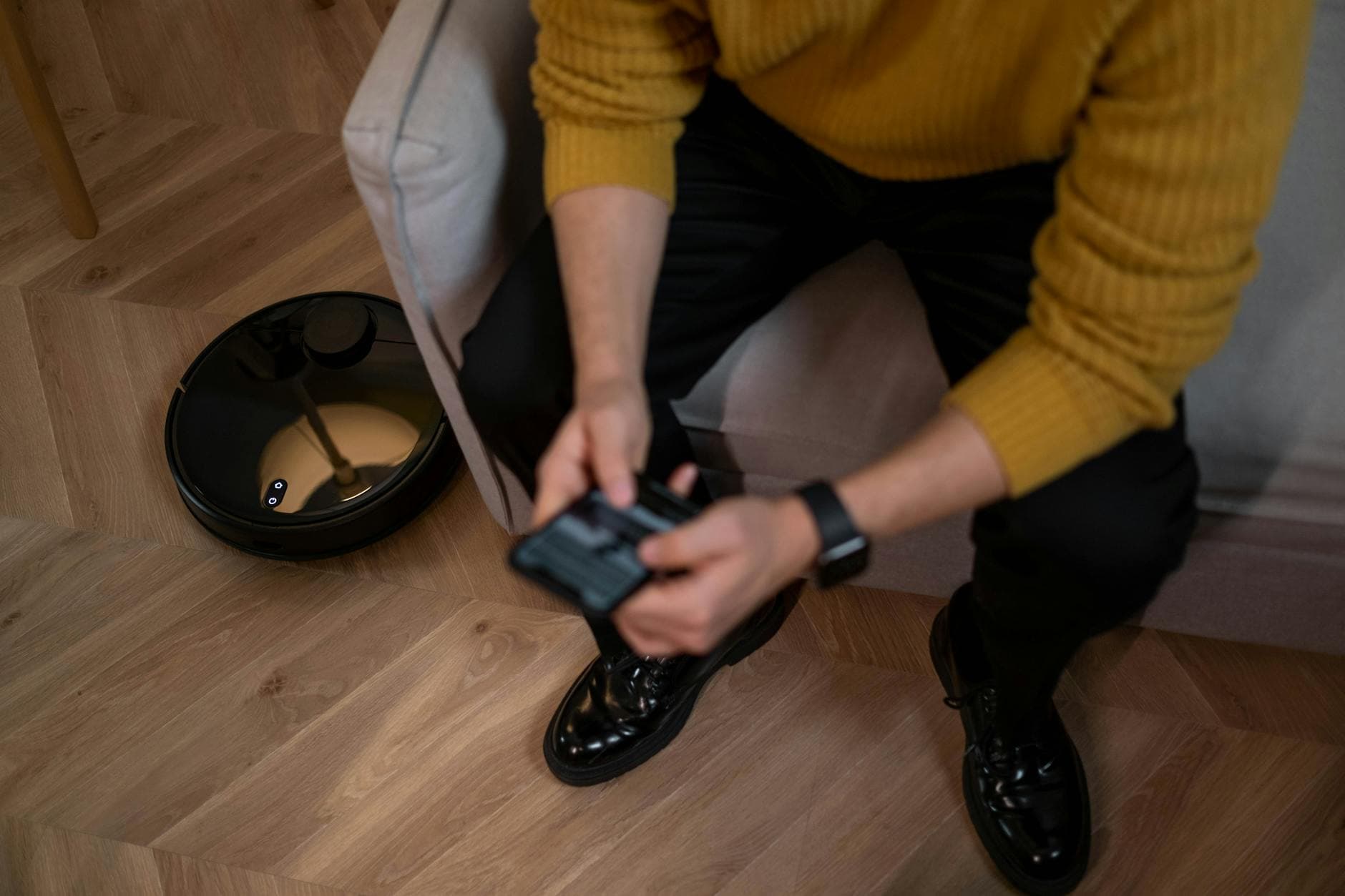
That practical value has social consequences too. In homes where time is scarce, mobility is limited, or cleaning falls unevenly on one person, a robot vacuum can change the rhythm of household labor. The device does not replace care work, but it can reduce one of its most persistent tasks, which is why the category feels less like luxury and more like a negotiated convenience.
The market’s size also reflects that shift. Industry reports place global robot vacuum sales in the billions of dollars and still growing, while competition has intensified among brands including Roborock, Dreame, Ecovacs, Eufy, Narwal, Tapo, Shark, and iRobot. The more crowded the field gets, the more the buyer has to sort through promises of autonomy, app control, and hybrid mopping to find something that is actually dependable.
The real test is whether it earns its place
What makes the robot vacuum the smartest home gadget conflict is that it forces a broader question about the smart home itself. Do people want more features, or do they want fewer headaches, better privacy, and machines that can be repaired, supported, and trusted over time? The Verge’s 2026 robot vacuum buying guides show a category still moving fast, but the lesson is already clear: the most valuable robot is the one that understands the home it enters and does its job without turning domestic life into a software project.
That is why the category keeps growing. It solves a real problem, it raises real policy questions, and it sits in the middle of the daily routines that make a house feel manageable.
Know something we missed? Have a correction or additional information?
Submit a Tip