Trump administration pushes risky plan to turn plutonium into reactor fuel
Washington is betting 19.7 metric tons of plutonium can help feed AI-hungry data centers, even as security and cost hurdles loom.
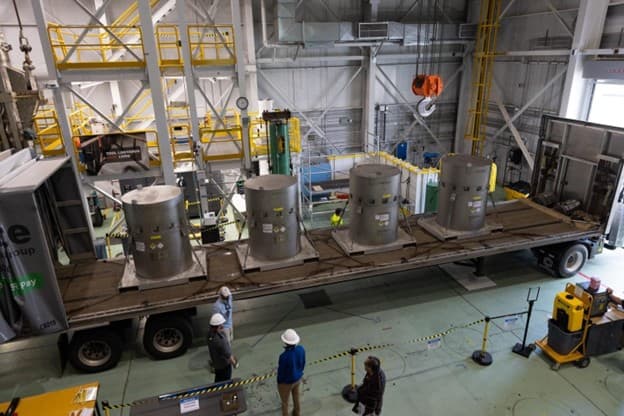
The Trump administration is pressing ahead with talks to turn Cold War-era plutonium into reactor fuel, a move pitched as a fast answer to rising power demand but one that comes with heavy technical and security baggage. The plan would put about 19.7 metric tons of surplus plutonium, including material from dismantled nuclear warheads, into the hands of companies seeking to make fuel for advanced reactors.
The Energy Department said it issued a Request for Applications in October 2025 and closed the process in December 2025 before selecting five companies for advanced talks under the Fuel Line Pilot Program. The department said the material includes about 4.4 metric tons of metal and 15.3 metric tons of oxides, all owned by the department, and framed the effort as part of a broader push to strengthen domestic nuclear fuel supply chains and reduce reliance on foreign sources of enriched uranium and critical materials. Industry reporting identified Oklo among the companies selected for advanced negotiations.

That ambition runs straight into the realities of plutonium. The material is not only radioactive, it is weapons-usable, and even a grapefruit-sized amount could be used in a devastating weapon. Fine dust can also be deadly if inhaled, and its long half-life turns handling and storage into a multigenerational burden. Ross Matzkin-Bridger, a former Energy Department and National Nuclear Security Administration official, has warned that the project could saddle taxpayers with large costs while adding new layers of safety and security requirements.
The broader energy case for the plan is real. The International Energy Agency said electricity supplied to data centers was about 460 TWh in 2024 and could climb above 1,000 TWh by 2030, as artificial intelligence and cloud computing keep pushing demand higher. But experts say that kind of growth requires faster investments in generation and grids, not just a politically appealing detour through a difficult fuel cycle.
The United States made roughly 100 tons of plutonium during the Cold War for nuclear weapons, so the current proposal would address only a slice of the legacy stockpile. Even so, moving nearly 20 tons of federal plutonium into commercial fuel development would be a consequential shift, one that could still run into delays, public concern and proliferation risks. If the effort stalls, Washington will be left with the harder task of building a sturdier long-term nuclear strategy the old-fashioned way.
This article was produced by Prism’s automated news system from verified source data, official records, and press releases, then run through automated quality and moderation checks before publishing. The system is built and supervised by the people who set the standards it runs under. Read our full AI policy.
Did this article answer your question?