Trump administration sanctions Cuba’s state oil company, tightens fuel pressure
Washington hit Cuba’s state oil company and blocked a 250,000-barrel fuel shipment, testing whether sanctions can change Havana’s behavior or just deepen shortages.
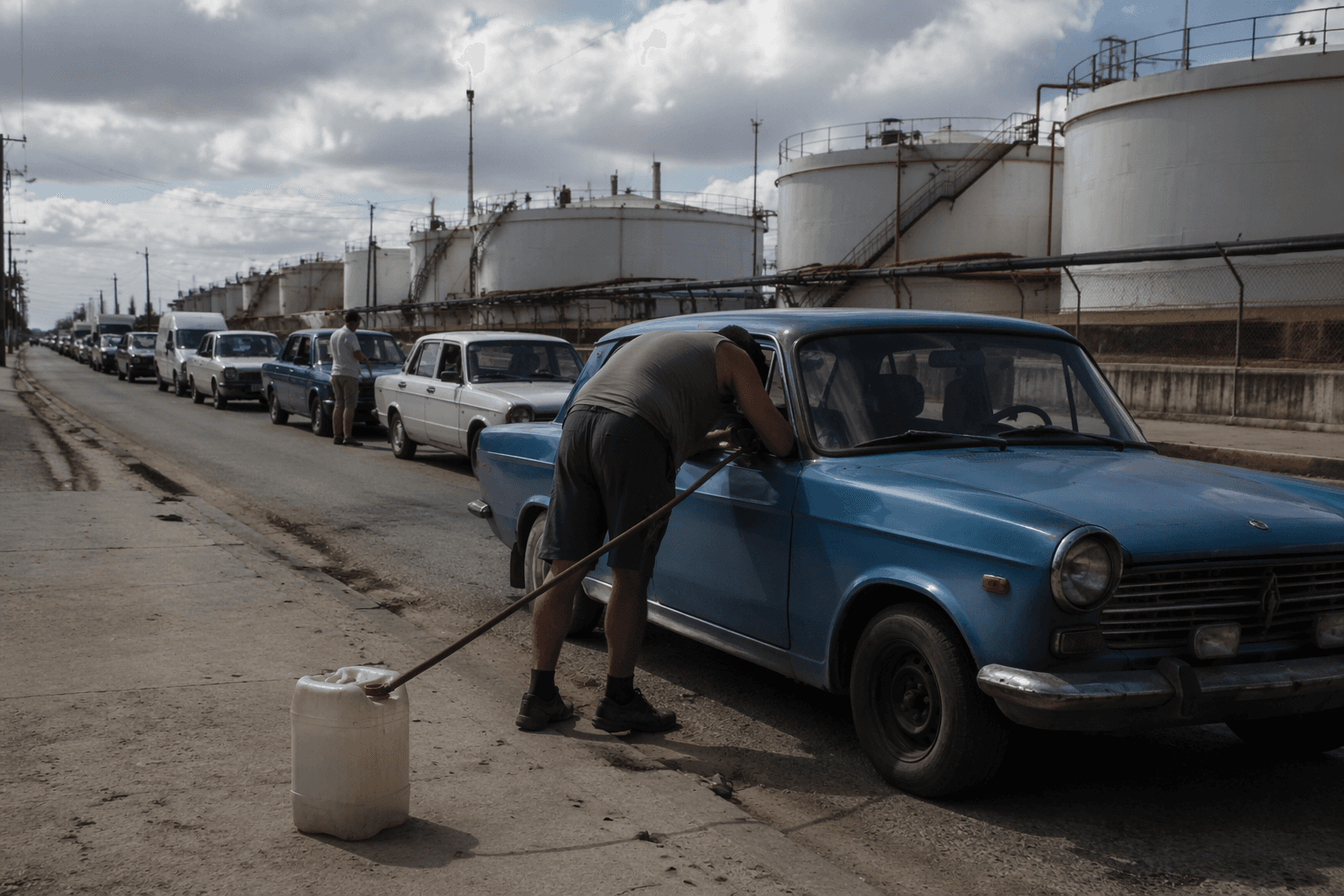
Washington put Cuba’s state oil company under sanctions and blocked a planned 250,000-barrel fuel shipment, testing whether pressure on Havana’s energy lifeline can alter government behavior or mainly sharpen the island’s daily hardship. The State Department designated Unión Cuba-Petróleo, known as CUPET, on June 11 under Executive Order 14404, freezing any U.S.-based assets and barring companies with U.S. operations from doing business with it.
The administration cast the move as more than an economic squeeze. Secretary of State Marco Rubio said Cuba’s leaders have turned energy into a political tool, diverting scarce fuel toward their own benefit while ordinary Cubans face shortages and blackouts tied to years of underinvestment. The State Department said the action also advances the older national emergency in Executive Order 14380 and NSPM-5, and said CUPET’s key assets were unlawfully expropriated from American owners years ago. The United States has maintained a comprehensive embargo on Cuba since President John F. Kennedy proclaimed it in February 1962.
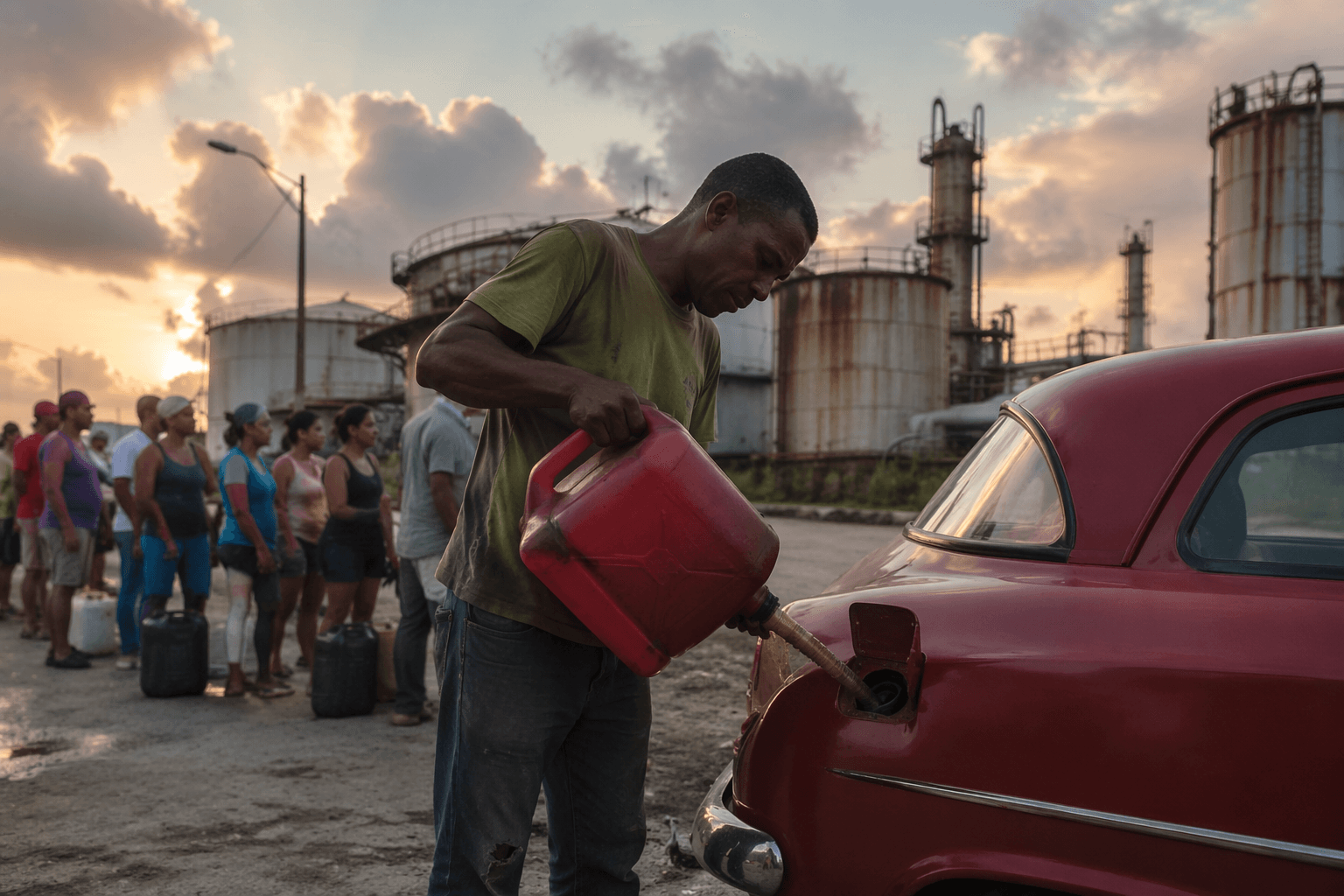
The pressure campaign reached beyond CUPET. The State Department also stopped Vanguard Energy, a Coral Gables, Florida company, from shipping 250,000 barrels of gas and diesel to Cuba because it lacked authorization. The company had planned to move fuel on a roughly monthly or 40-day cycle, using storage tied to CUPET, while retaining title to the product and selling only to pre-vetted private businesses and humanitarian or religious groups. Commerce Department guidance in February had opened a narrow path for some U.S.-origin petroleum exports under License Exception Support for the Cuban People, but Cuban-owned banks were suspended from those transactions as of March 4, and a White House official said the proposed shipment would still have required authorization to deal with designated state entities.
The timing underscores how thin Cuba’s margin has become. Vicente de la O Levy, Cuba’s energy minister, said in May that the country had run out of crude oil, fuel oil and diesel. Blackouts have lasted up to 22 hours a day in parts of Havana, and residents protested the power cuts in the capital. U.S. suppliers had already moved about 30,000 barrels of fuel to Cuba’s private sector earlier in 2026, mostly in ISO tanks, but the new sanctions show how quickly Washington can cut across even limited channels.
The policy also carries a domestic political logic. Hard line Cuba measures remain potent in Florida, where pressure on Havana plays well with Republican voters and with a broader Trump approach to Latin America that favors sanctions, enforcement and coercive leverage. The administration had already sanctioned 11 regime-aligned actors and three Cuban government bodies on May 18, then announced more sanctions on June 4. Together, the actions signal that Washington is prepared to keep squeezing Cuba’s energy system, even if the first and most immediate burden falls on people already living through blackouts and fuel scarcity.
This article was produced by Prism’s automated news system from verified source data, official records, and press releases, then run through automated quality and moderation checks before publishing. The system is built and supervised by the people who set the standards it runs under. Read our full AI policy.
Did this article answer your question?