Trump administration takes $2 billion stakes in quantum computing firms
Washington is taking minority stakes in nine quantum firms, backing a $2.013 billion CHIPS package that puts taxpayer money on the line for an unproven industry.
Washington is putting taxpayer capital directly into quantum computing, with the Commerce Department lining up $2.013 billion in federal incentives for nine companies and taking minority, non-controlling equity stakes in each one. The package is one of the clearest signs yet that the Trump administration sees quantum as industrial policy, not just science funding, and as a way to build domestic capacity in a technology central to competition with China.
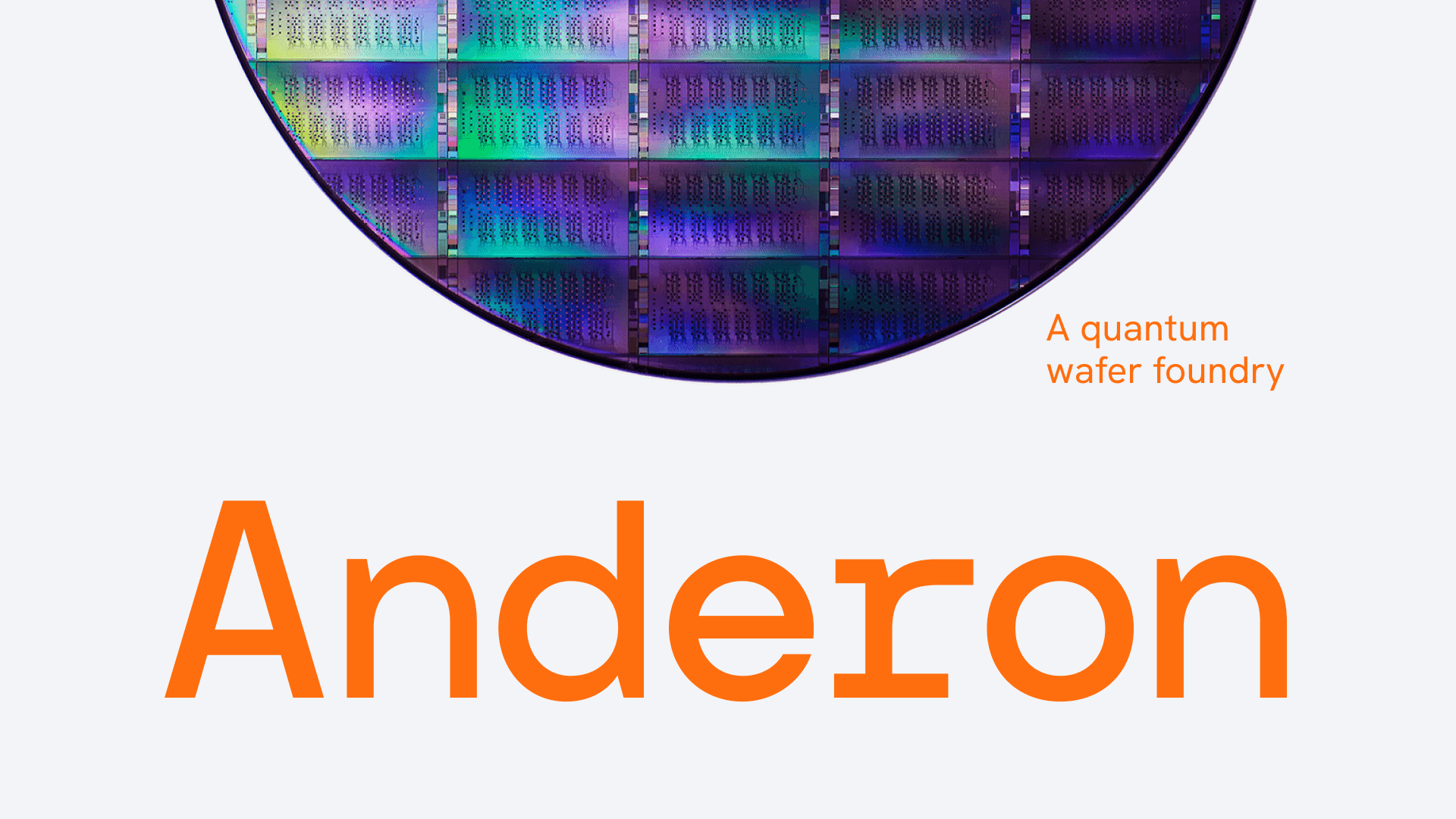
The biggest recipient is IBM, which said the support will back a new standalone company called Anderon, a 300-millimeter quantum wafer foundry headquartered in Albany, New York. IBM said it will contribute its own $1 billion to match the government support. GlobalFoundries said it launched Quantum Technology Solutions on May 21, 2026, to scale manufacturing for utility-scale quantum computing, with the Commerce Department set to provide $375 million for a domestic factory that can make components for multiple quantum-machine designs.
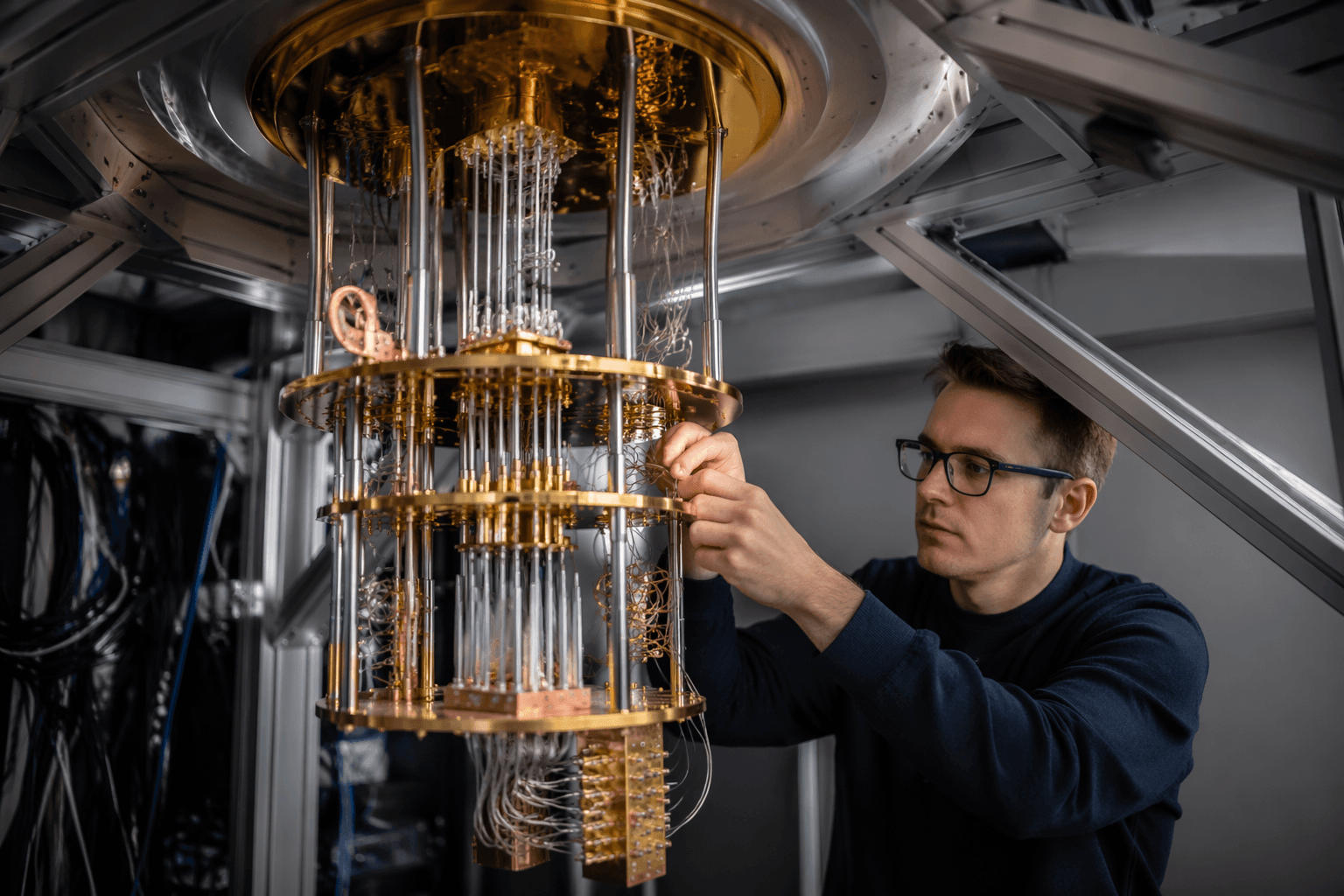
Other recipients include D-Wave Quantum, Rigetti Computing and Infleqtion, each slated to receive about $100 million. Diraq is set to receive up to $38 million to work on technical bottlenecks that have slowed the field. The Commerce Department said the money would go to two domestic quantum foundry companies and seven quantum computing companies, with the aim of speeding the race toward utility-scale, fault-tolerant quantum computers.
That is the benchmark investors and policymakers will have to watch. Quantum computing remains plagued by high error rates and uncertain commercialization timelines, so the public case for equity stakes will rest on whether the companies can translate federal backing into working systems with military, scientific and commercial value. The department said the investments are meant to support national defense, advanced materials, biopharmaceutical discovery, financial modeling and energy systems. IBM said the foundry could help support an industry it estimates could generate up to $850 billion in economic value by 2040.
The move also deepens a striking shift in how Washington is using CHIPS Act money. The funding traces back to the law signed in 2022, but the ownership model reflects a more interventionist approach than a simple grant or contract. It comes after other recent federal moves, including a 10% stake in Intel and a large position in MP Materials, suggesting the government is increasingly willing to act like a strategic investor in sectors it considers vital.
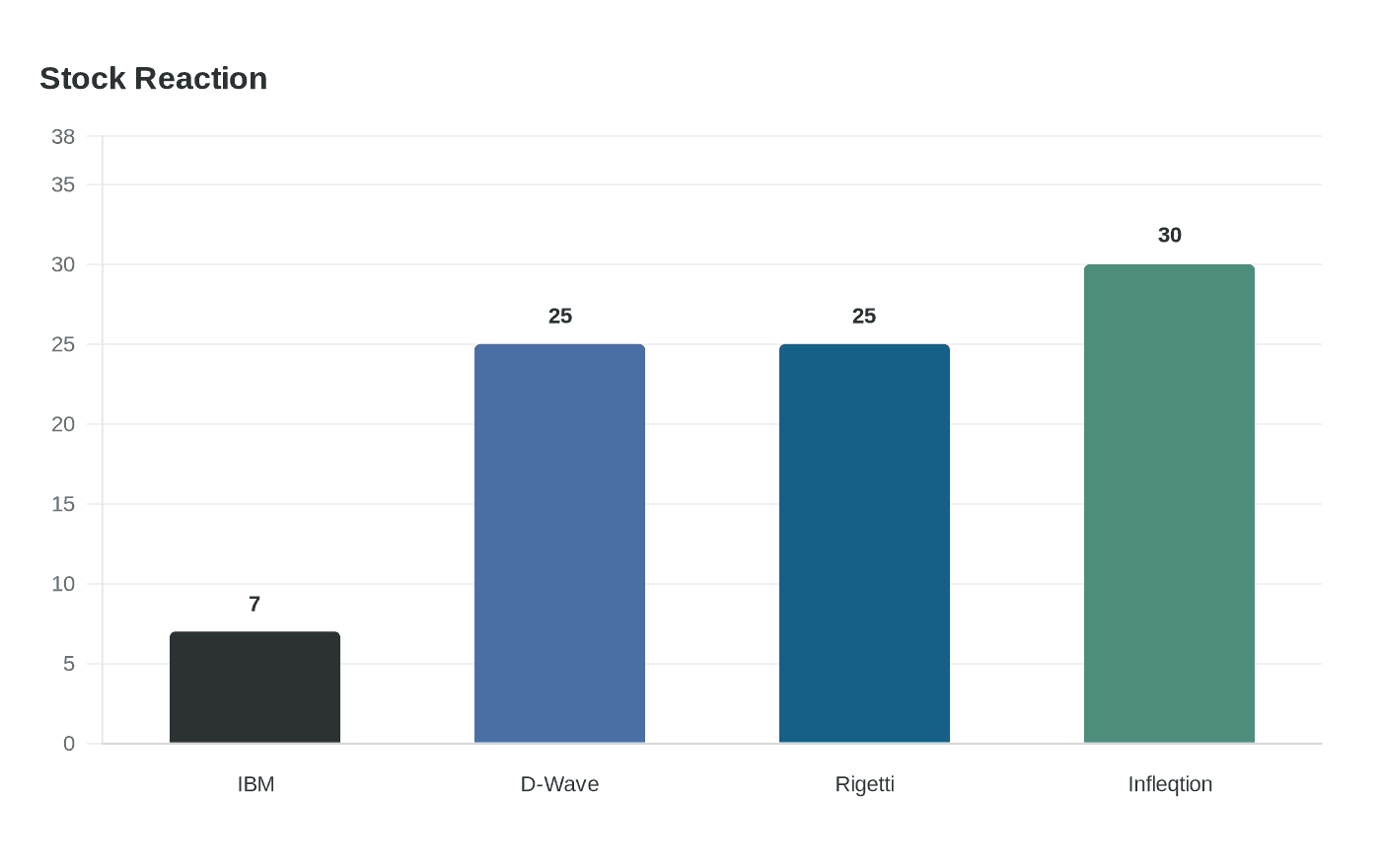
Markets immediately registered the bet. IBM shares rose about 7%, while D-Wave and Rigetti each jumped about 25% and Infleqtion climbed about 30%. The gains show how quickly federal backing can reprice risk, but they also underline the taxpayer exposure now embedded in a field still struggling to prove it can deliver at scale.
Know something we missed? Have a correction or additional information?
Submit a Tip