Trump administration targets migrant child sponsors in fraud probe
The administration said it found more than 15,000 sponsor cases for scrutiny, raising the stakes for families who care for unaccompanied migrant children.

Federal officials are moving to treat the adults who take in unaccompanied migrant children as a new enforcement target, not just part of the family-reunification system. The Trump administration said it has identified more than 15,000 cases involving adults who gained custody of multiple immigrant children and may merit scrutiny, a shift that could reshape how sponsors are vetted and who is willing to come forward.
The Justice Department has pointed to cases involving three Guatemalan nationals as examples of what it sees as improper vetting of child sponsors. Prosecutors have already brought charges against a Guatemalan woman accused of using false identification to gain custody of migrant children, signaling that the government is prepared to pursue criminal cases alongside the routine screening process.
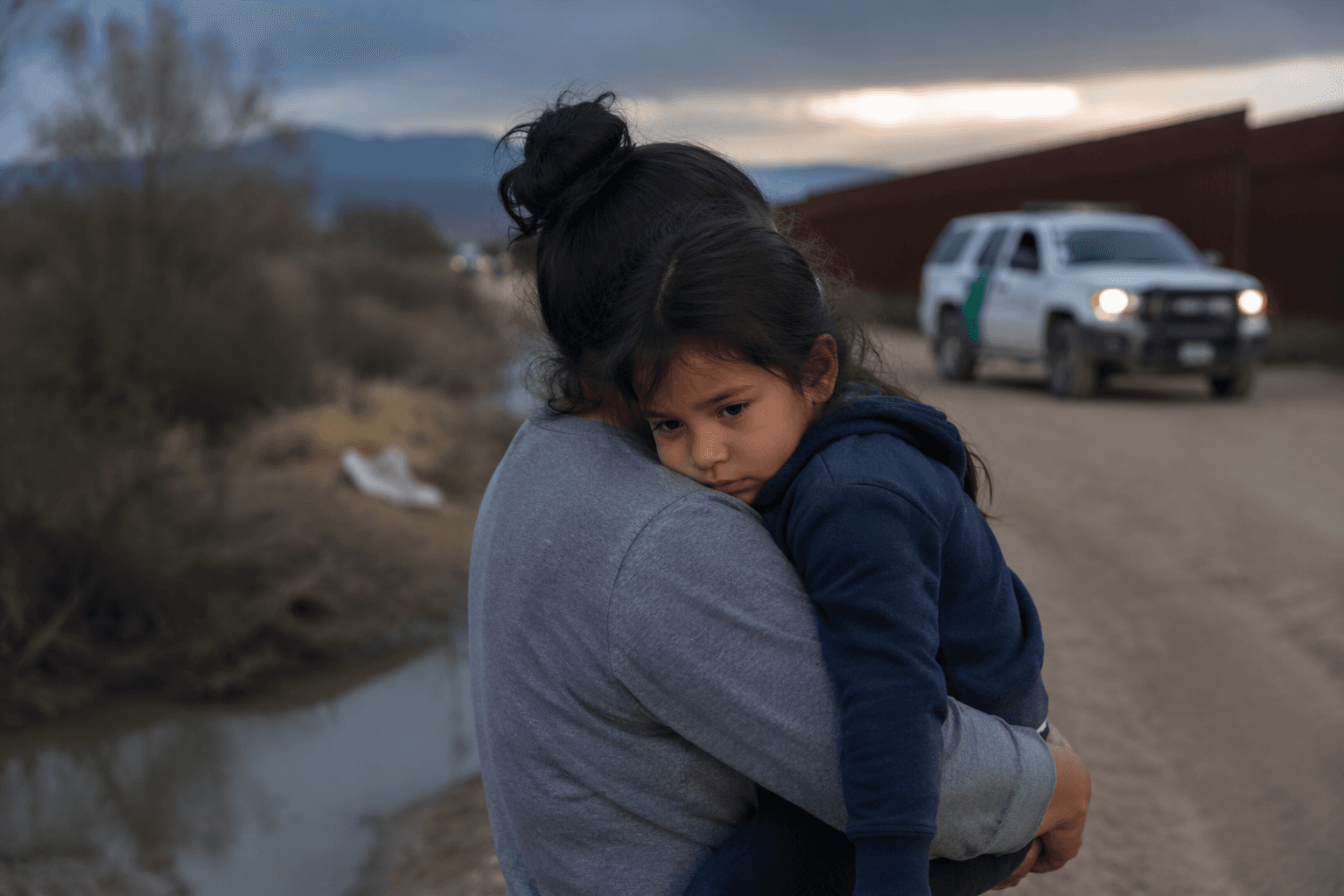
The administration is also focusing on so-called super-sponsors, a label used for adults who gained custody of more than three unrelated children. That category matters because it could draw in not only smugglers or fraudsters, but also relatives, family friends and community members who step forward in good faith to care for children who arrived at the border alone. A crackdown aimed at trafficking could therefore chill legitimate sponsorship and slow reunification for children already navigating a fragile system.
Current rules already give the Office of Refugee Resettlement broad authority to review sponsors before release. Federal regulations require a suitability assessment that checks identity, relationship claims, background history and, in some cases, home studies. ORR says it has had a policy since 2005 allowing release to undocumented sponsors in appropriate circumstances and with safeguards, reflecting the reality that many caregivers inside the United States do not have legal status themselves.
That screening system has long been under strain. The HHS Office of Inspector General said in a 2024 review that thorough sponsor screening and post-release follow-up are essential to child safety, and it found gaps during the surge of referrals in early 2021. HHS says ORR’s Home Study and Post-Release Services program serves more than 25,000 children and sponsors each year, while ORR’s data dashboard tracks referrals, average length of care, home studies and releases to sponsors.
The new fraud probe could deepen tensions between child protection and immigration enforcement. Supporters of the tougher approach argue that federal officials have a duty to stop exploitation. Critics warn that if the sponsor pipeline becomes synonymous with prosecution, the people most likely to be deterred are the relatives and caregivers children most need.
This article was produced by Prism’s automated news system from verified source data, official records, and press releases, then run through automated quality and moderation checks before publishing. The system is built and supervised by the people who set the standards it runs under. Read our full AI policy.
Did this article answer your question?