Trump Administration Weighs New Tariffs Over Forced Labor in China and Allies
Forced-labor enforcement is testing whether the Trump administration can turn human-rights complaints into a real tariff weapon, with duties, quotas and import bans under review.
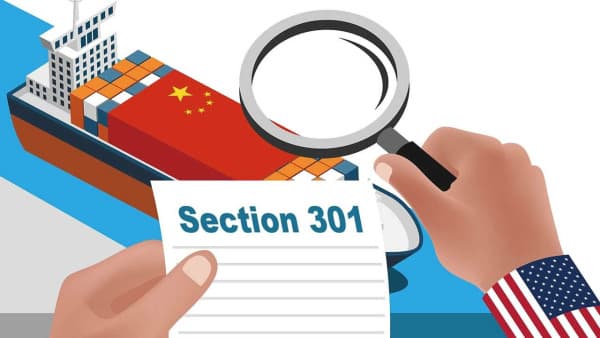
Forced-labor enforcement may be moving from a moral argument to a hard trade tool. Pro-tariff and human-rights groups pressed the Trump administration for new import bans, duties and quotas aimed at goods tied to forced labor in China and other countries, pushing a long-running issue into a fresh policy fight with broad implications for supply chains and prices.
The hearing fell under the U.S. Trade Representative’s Section 301 investigation into what the agency says is the failure of 60 countries to enforce bans on goods made with forced labor. About 60 witnesses were scheduled to testify over two days, giving the administration a chance to hear from companies, advocacy groups and trade hard-liners before deciding whether to escalate.
The timing was significant. After the Supreme Court struck down global tariffs imposed under a national-emergencies law in February, the White House has been looking for other ways to rebuild tariff pressure. Forced-labor enforcement offers one of the few remaining channels that can still justify aggressive trade action without relying on that defeated legal theory.
The reach of the probe also made it more than a China story. It could lead to new tariff actions not only against China and Russia, but also against allies and major trading partners including Australia, Canada, the European Union, Britain, Israel, India, Qatar and Saudi Arabia. That breadth shows the administration is treating forced labor as a global trade enforcement campaign, not a narrow sanctions case aimed at a single adversary.
For U.S. importers, the stakes are immediate. Tougher duties, quotas or import blocks would force retailers, manufacturers and logistics firms to trace more inputs through longer and more opaque supply chains, especially for products assembled in multiple countries before reaching U.S. shelves. That would raise compliance costs, accelerate sourcing shifts and increase the risk of sudden shortages or price increases in categories exposed to labor-sensitive inputs.
U.S. Trade Representative Jamieson Greer has said he wants the probes completed by July, when a temporary 10% tariff is due to expire. That deadline gives the hearing unusual urgency and suggests the administration could move quickly if it decides forced-labor enforcement is the next durable weapon in U.S.-China trade policy and a wider test of economic coercion.
This article was produced by Prism’s automated news system from verified source data, official records, and press releases, then run through automated quality and moderation checks before publishing. The system is built and supervised by the people who set the standards it runs under. Read our full AI policy.
Did this article answer your question?

%3Amax_bytes(150000)%3Astrip_icc()%2FCertificate-of-deposit-2301f2164ceb4e91b100cb92aa6f868a.jpg&w=1920&q=75)
