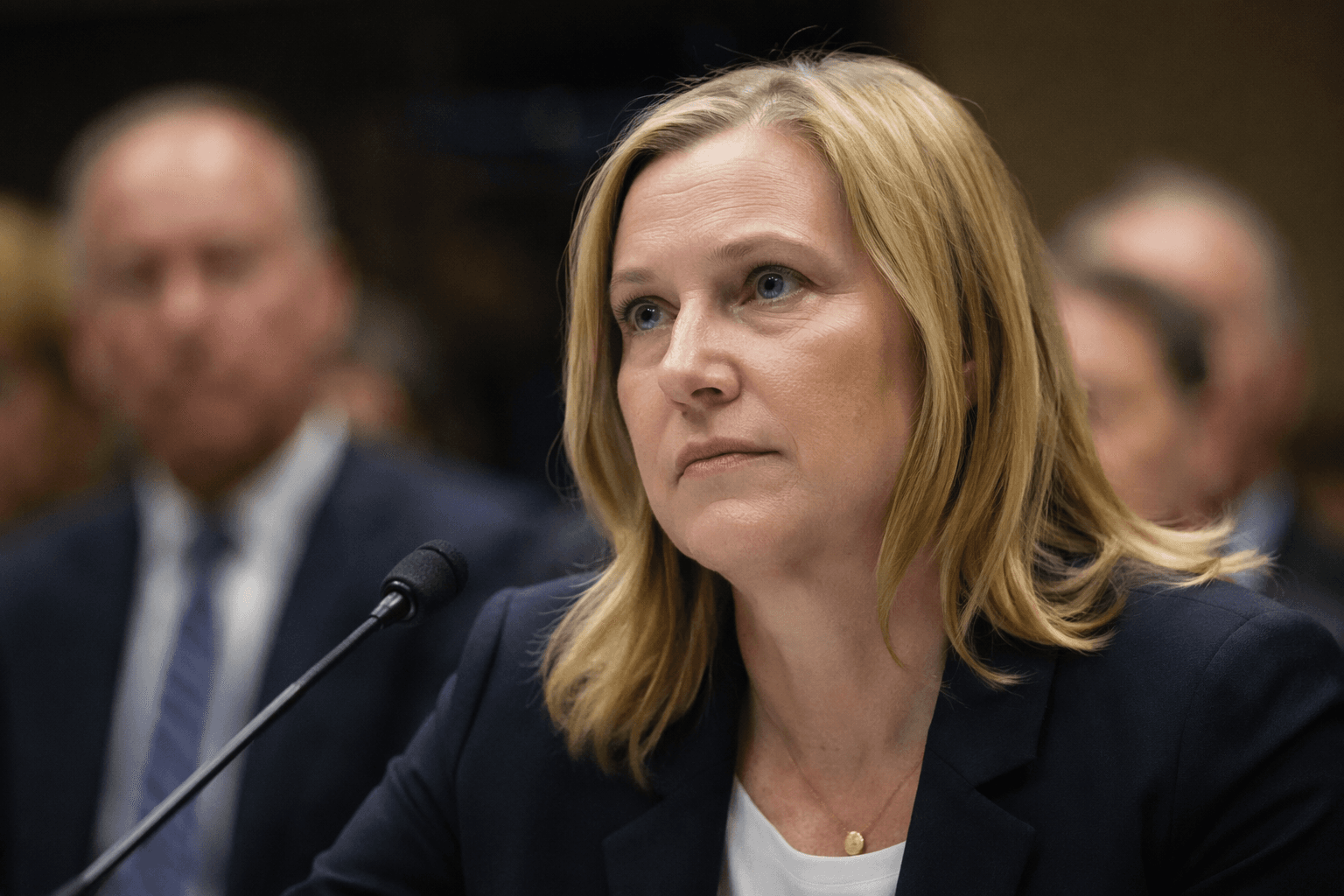
Trump aides met in secret as Epstein files crisis deepened
Trump aides huddled in the Situation Room without the president as Epstein fallout spread, exposing a strained chain of command and a White House on defense.

White House advisers gathered in the underground Situation Room without Donald Trump as the Epstein files crisis deepened, a striking sign that the administration was managing one of its most politically explosive scandals away from the president himself. The choice to convene in the bunker-like space underscored how quickly the issue had moved from a messaging problem to a test of internal trust, command structure, and control.
The pressure surged after the Justice Department said on July 7, 2025, that it would not release additional Epstein-related files. In its review of more than 300 gigabytes of material, the department said it found no incriminating client list and no evidence that Jeffrey Epstein blackmailed prominent people. But the memo also described a far darker archive, saying the files included a large volume of images of Epstein, images and videos of victims who were minors or appeared to be minors, and more than 10,000 downloaded videos and images of illegal child sex-abuse material and other pornography.
That disclosure triggered backlash from parts of Trump’s MAGA base, which had been led to expect more sensational revelations. Instead of delivering the kind of transparency many supporters had been promised, the administration was forced into damage control as the files became a new symbol of broken expectations and an ongoing credibility problem.
The political stakes rose further when later reporting said Pam Bondi and Todd Blanche told Trump in a May 2025 White House meeting that his name appeared multiple times in the Epstein files. Reuters later reported on July 23, 2025, that the White House was not denying that Trump’s name appears in the files. Taken together, those details suggested that the president had been alerted early to a risk that could complicate every public statement the White House made afterward.
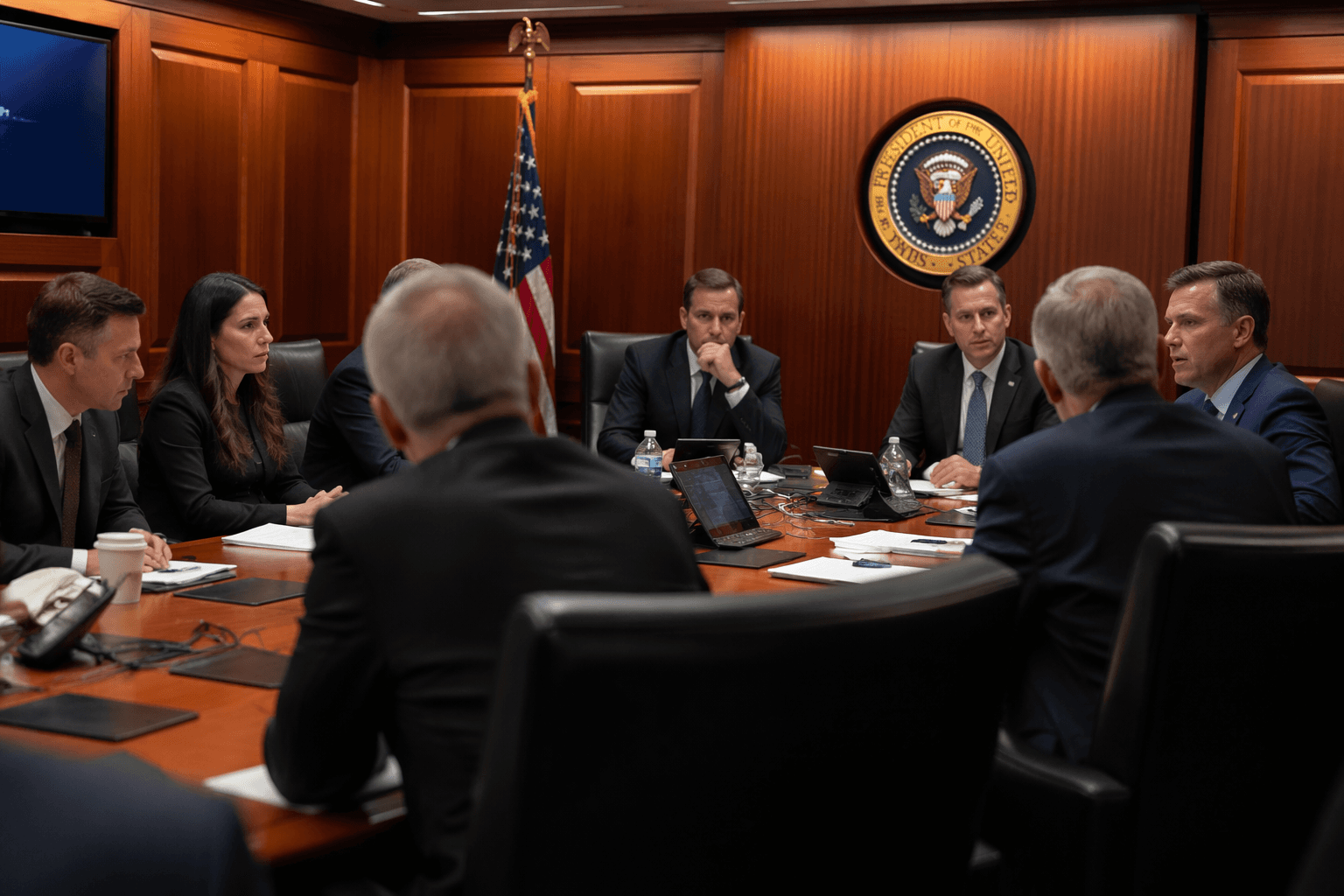
By mid-July, top White House officials were meeting in the Situation Room to hash out how to respond. Karoline Leavitt said the administration was willing to sit down with members of Congress and address their concerns, a sign that the White House understood the issue could not be contained by talking points alone.
The fallout did not end there. The House Committee on Oversight and Government Reform later subpoenaed DOJ records and the Epstein estate, eventually receiving and releasing tens of thousands of pages of material. For Trump’s aides, the episode revealed a familiar governing pattern under stress: tight control, narrow disclosure, and a scramble to contain scandal after the political damage has already spread.
This article was produced by Prism’s automated news system from verified source data, official records, and press releases, then run through automated quality and moderation checks before publishing. The system is built and supervised by the people who set the standards it runs under. Read our full AI policy.
Know something we missed? Have a correction or additional information?
Submit a Tip