Trump allies seek share of $1.8 billion anti-weaponization fund
Trump’s $1.776 billion anti-weaponization fund has become a new payout battleground, with allies and critics already seeking a share.
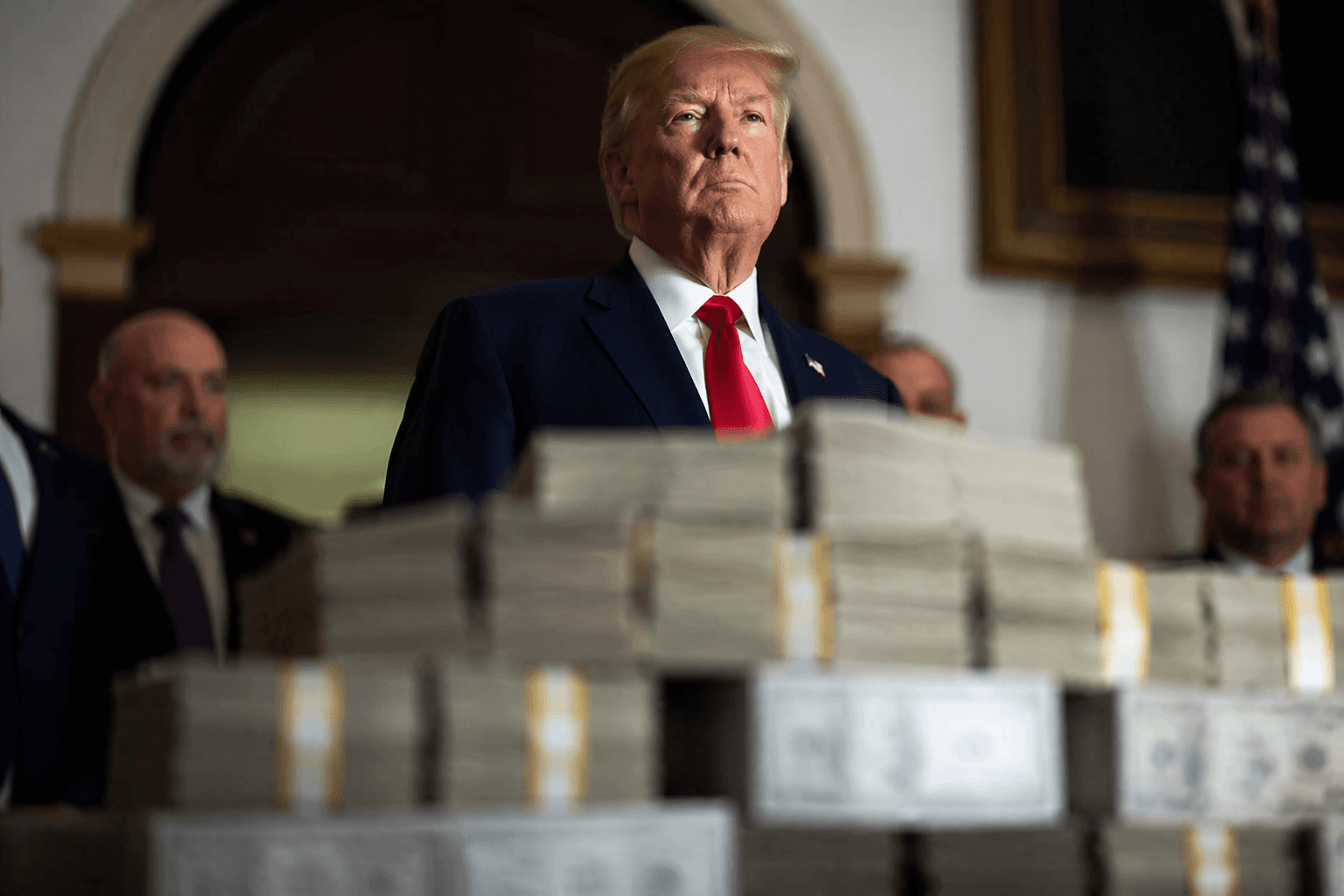
Trump’s $1.776 billion anti-weaponization fund has turned a tax-return settlement into a political payout contest. The money was created as part of a deal resolving Donald Trump’s $10 billion lawsuit against the Internal Revenue Service over the leak of his tax returns, and the settlement gives Trump, Donald Trump Jr., Eric Trump and The Trump Organization a formal apology but no direct monetary damages.
Now the fight is over who can claim a piece of the pot. Described as an Anti-Weaponization Fund or a “lawfare” fund, it is being cast by the administration as compensation for people who say they were harmed by “weaponization and lawfare.” Critics say that design could funnel taxpayer money to Trump allies, including some Jan. 6 defendants, while turning a settlement tied to the IRS into a broader grievance machine.
The political unease is already surfacing inside Republican ranks. Senate Majority Leader John Thune said he was “not a big fan” of the idea, a rare public sign that even allies see the risks in creating a fund that invites applicants to argue they were victims of government overreach. What was once a private dispute over a tax leak has become a public test of who gets recognized, who gets compensated and which kinds of grievance count in Trump-era politics.
That shift reaches beyond the money itself. By packaging the settlement around claims of “weaponization” and “lawfare,” the administration is not just resolving a lawsuit; it is building a new arena in which political identity, legal injury and loyalty to Trump can overlap. The result is an institutional incentive structure in which the act of claiming victimhood can become its own form of political currency.
The broader climate is visible elsewhere in Washington and in the media. CBS said The Late Show with Stephen Colbert will end after the 2025-26 broadcast season, with the final episode scheduled for May 21, 2026, even as CBS has called it the No. 1 network show in late night. And on the enforcement side, the Justice Department announced the Minnesota Health Care Fraud Takedown, charging 15 defendants in cases involving more than $90 million in intended loss, including what prosecutors called the two largest Medicaid fraud cases ever charged in the District of Minnesota. Together, those developments show how Trump-era politics continues to reshape both public institutions and the incentives around them.
Know something we missed? Have a correction or additional information?
Submit a Tip