Trump ally explored ban on Dominion voting machines, Reuters says
A Trump adviser pushed to use the Commerce Department to brand Dominion voting machine parts a national-security risk, a move that could have touched systems in 27 states.

A White House adviser charged with advancing Donald Trump’s election-fraud claims pressed a plan that would have put Dominion Voting Systems equipment in the crosshairs of the Commerce Department, elevating conspiracy rhetoric into a federal policy idea with sweeping consequences. Kurt Olsen, a lawyer Trump had tasked with supporting claims of election rigging that courts and election officials have repeatedly rejected, explored whether the government could treat components of Dominion machines as a national-security risk.
The scale of the proposal was striking. Dominion equipment was used in 27 states in the 2024 election, according to Verified Voting tracking and contemporaneous reporting, meaning any federal move against the company could have affected a large share of American voters. The effort emerged during internal brainstorming over how Washington might assert more control over elections that have long been run by states and local governments, not by federal agencies.
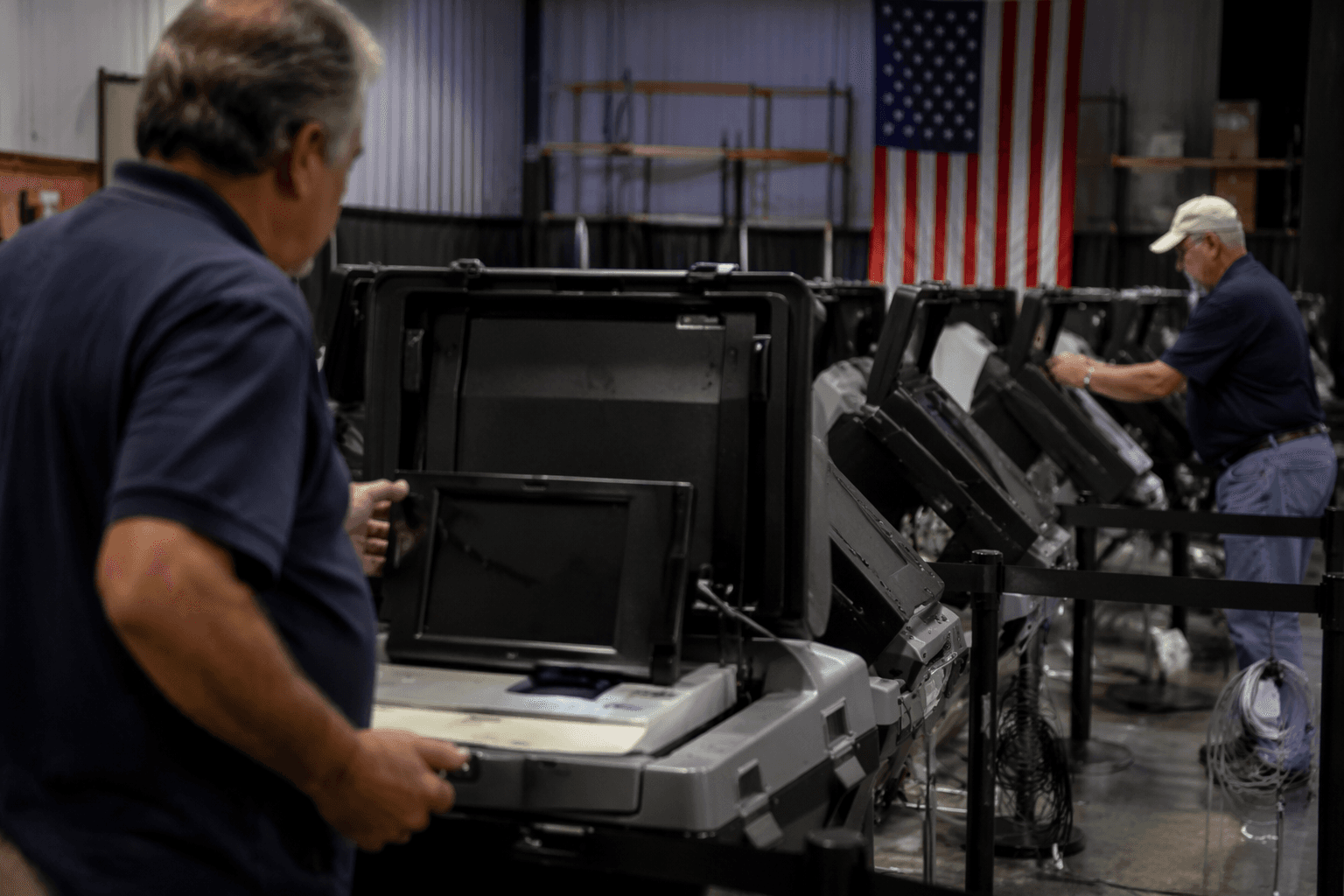
That institutional boundary matters. The U.S. Election Assistance Commission says states and localities choose their own voting systems, and participation in its certification program is voluntary. The commission’s guidance also says post-election audits are designed to compare hand counts of voter-verified paper records with electronic totals to check whether voting systems accurately recorded and counted ballots. Those safeguards exist because election security experts and Verified Voting say paper-ballot systems with auditable records are the most resilient option.
The proposed Dominion action cut against that framework. Verified Voting says most U.S. voters now use paper ballots or systems that leave an auditable paper trail, while only a small share still rely on direct-recording electronic systems. The organization says 3.9 percent of registered voters live in jurisdictions using direct-recording electronic systems for all voters, a reminder that the nation’s voting infrastructure is already moving toward paper-backed verification rather than away from it.
The episode shows how claims once confined to the political fringe have been translated into possible government action. Later reporting said Commerce officials explored legal grounds for the proposal and that it collapsed when Olsen’s team failed to produce evidence justifying the move. Even so, the discussion itself exposed how far some Trump allies were willing to push federal power in service of debunked voting-machine narratives, and how much pressure still sits on state-run election systems that remain central to American democracy.
Know something we missed? Have a correction or additional information?
Submit a Tip

