Trump and Iran clash over claims of nuclear inspections agreement
Trump said Iran had agreed to sweeping nuclear inspections, but Tehran denied any such pledge as interim talks and IAEA verification plans remained unsettled.
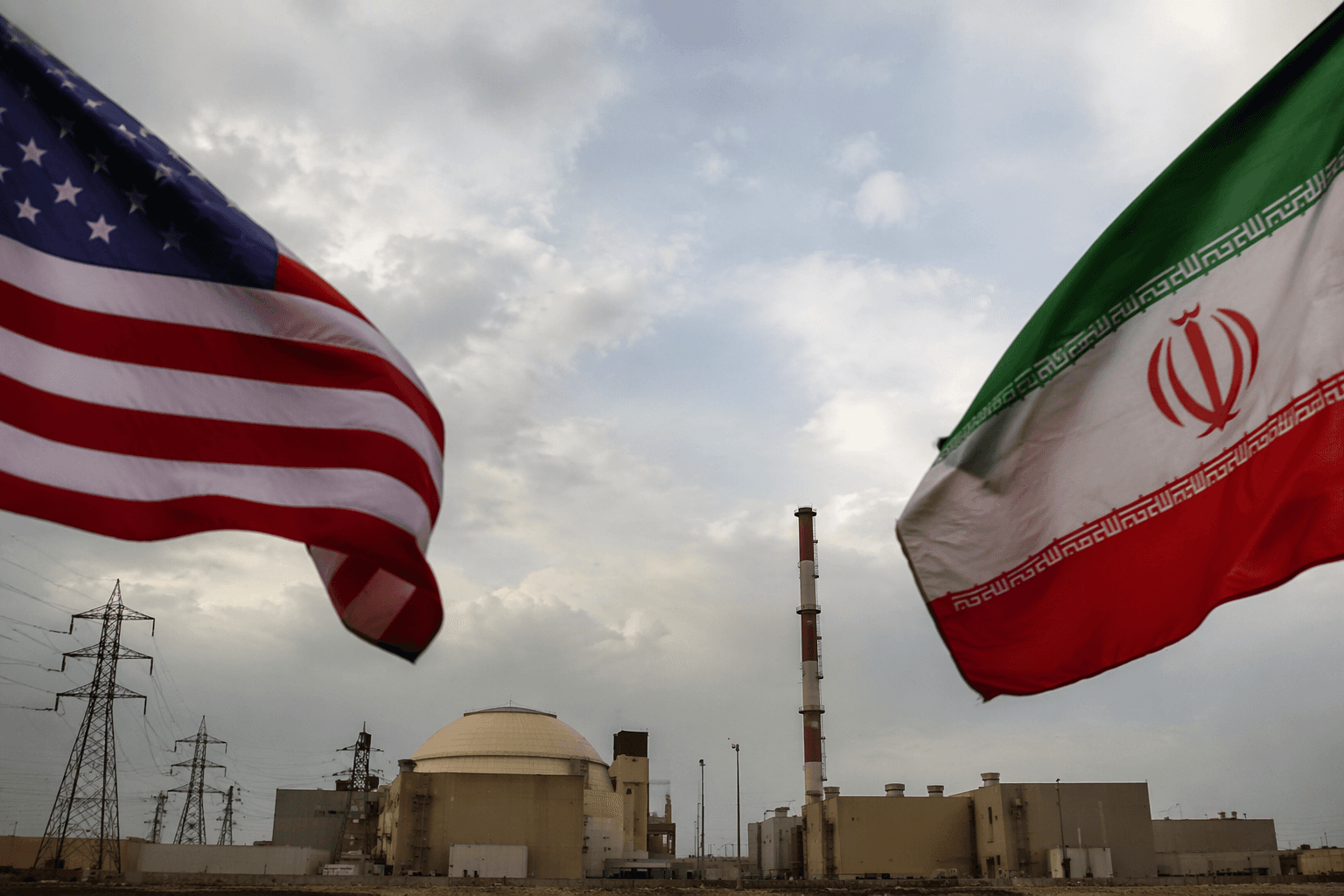
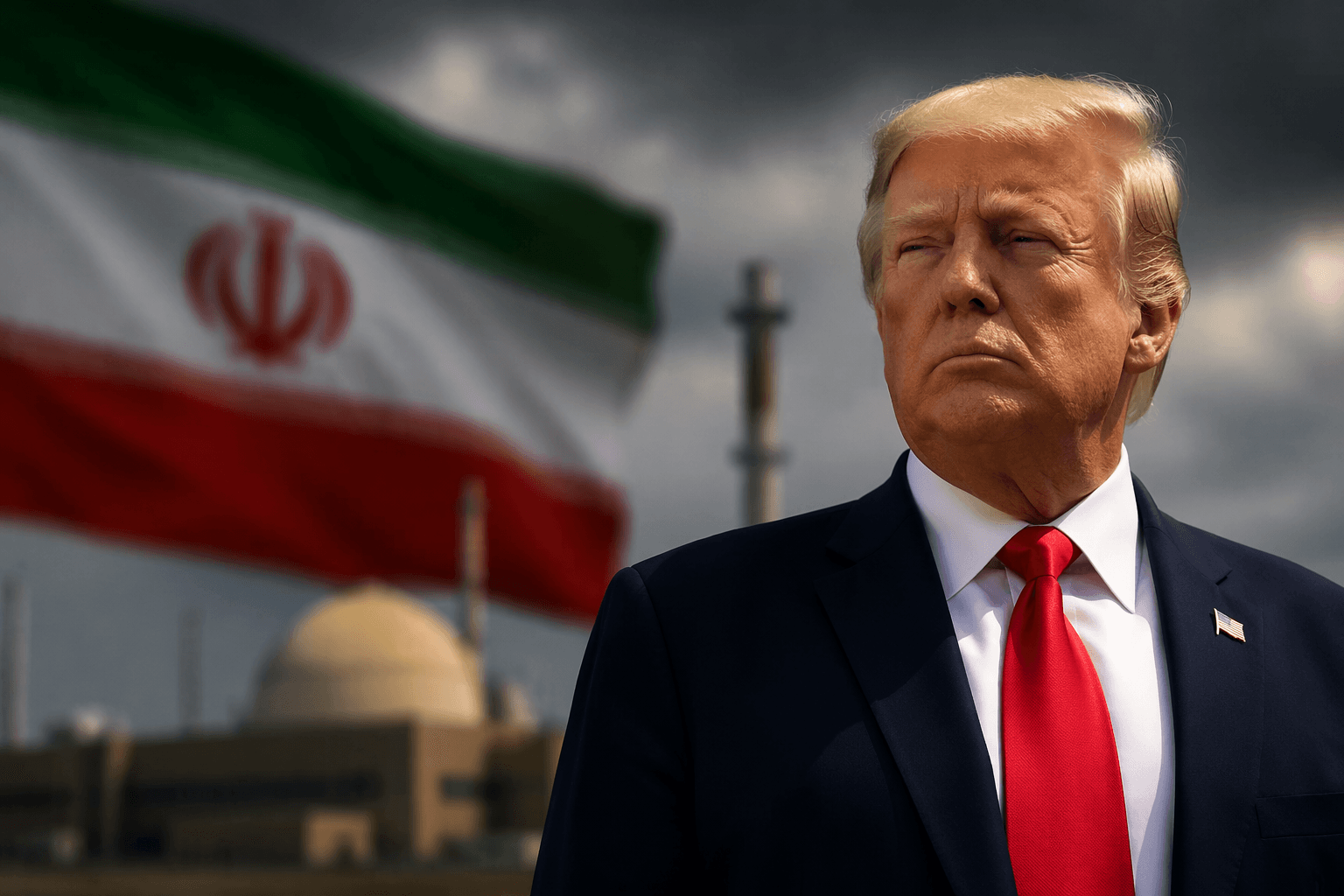
Trump said Iran had “fully and completely agreed” to allow nuclear inspections at the “highest level,” and he later described those checks as continuing long into the future. JD Vance echoed that message, saying inspectors would be allowed back into Iran, while Iranian officials flatly denied that any new commitment had been made.
The clash centered on whether the talks had produced a real inspection deal or only a political signal. Iranian officials said the nuclear issue had barely been discussed and that no plan existed for International Atomic Energy Agency inspectors to return to the bombed enrichment sites. That denial undercut the White House’s public line at the very moment the two sides were trying to keep a fragile interim understanding alive.
The stakes are not abstract. The IAEA, the United Nations’ nuclear watchdog, is responsible for safeguards verification, and its director general, Rafael Grossi, said technical work could begin on verifying Iran’s nuclear program. Grossi welcomed the initial Iran-U.S. memorandum and said the agency should sit down with both sides to help with concrete steps, including verification. Without inspectors on the ground, the basic facts of Iran’s nuclear activities remain contested and politically charged.
The current dispute sits on top of a year of disruption. On June 22, 2025, the United States struck three Iranian nuclear facilities, and the IAEA stopped verification work when the attacks began. By the end of June 2025, the agency had withdrawn all of its inspectors from Iran for safety reasons. Later, in September 2025, the United Nations reported a breakthrough deal to resume cooperation on inspections.
That history has made verification the central test of any new deal. The latest U.S.-Iran framework, described as allowing about 60 days of negotiations, was paired with a 60-day sanctions waiver, giving both sides time to work toward a broader agreement. At the same time, Washington was pressing the wider nonproliferation fight: the State Department said the 2026 Nuclear Non-Proliferation Treaty Review Conference failed to reach consensus and singled out Iran as a major concern. It also warned that Tehran had threatened shipping in the Strait of Hormuz, where it has used mines, toll threats and attack warnings against vessels.
For now, the public record shows a widening gap between what Trump says Iran accepted and what Iranian officials say was actually agreed. Until that gap closes, markets, allies and voters are being asked to react to a deal that still lacks a shared version of the most basic terms.
This article was produced by Prism’s automated news system from verified source data, official records, and press releases, then run through automated quality and moderation checks before publishing. The system is built and supervised by the people who set the standards it runs under. Read our full AI policy.
Know something we missed? Have a correction or additional information?
Submit a Tip