Trump and Xi conclude Beijing summit amid trade and Taiwan tensions
Trump and Xi ended a Beijing summit with talk of farm purchases and rare earths, but little sign of a broader trade breakthrough.

The clearest expected outcome from Donald Trump and Xi Jinping’s Beijing summit was not a grand reset in U.S.-China relations, but a narrow package of economic deliverables: Chinese purchases of American farm goods, continued access to rare earths, and a trade mechanism for non-sensitive sectors. White House officials framed the meeting as a chance to lock in practical gains, even as the broader agenda remained dominated by tariffs, Taiwan, artificial intelligence and the Iran conflict.
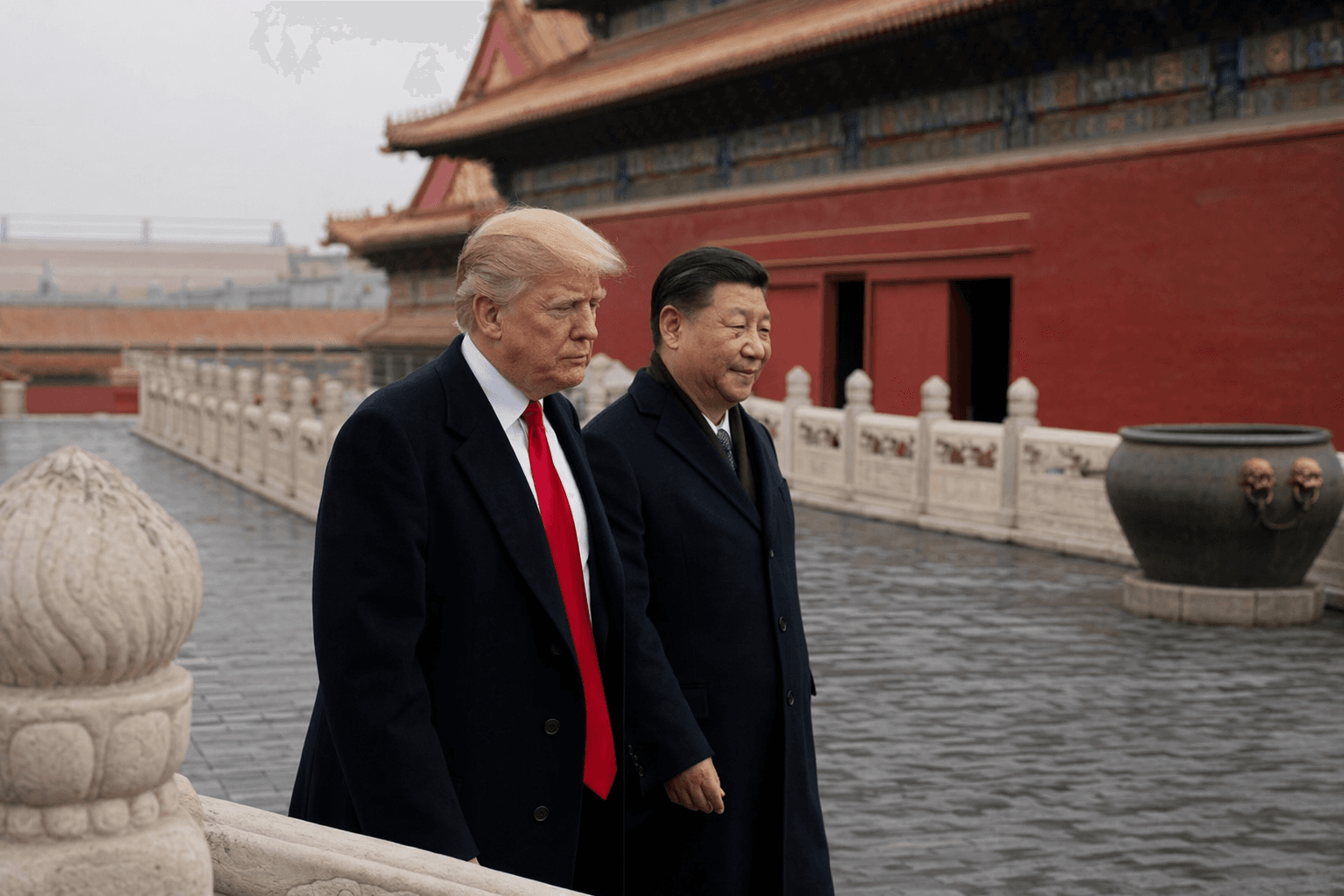
That gap between rhetoric and substance defined the two-day summit in Beijing, which ended Friday. Trump and Xi met in the Great Hall of the People during the first visit to China by a U.S. president since Trump’s 2017 trip. The White House has signaled it wants to present the talks as a win, but analysts said the list of concrete deliverables was short and heavily tilted toward managing friction rather than resolving it.
Agriculture is the most visible piece. The United States expected China to agree to buy “double-digit billions” worth of U.S. agricultural products after the summit, with Trade Representative Jamieson Greer saying the package could extend beyond soybeans and run for three years. That would build on the existing October 2025 soybean agreement covering 25 million metric tons a year. Trump’s team has also pointed to the 2025 Busan summit, where tariffs on Chinese imports were reduced from 57% to 47%, as evidence that incremental bargaining can still produce results.
Even so, the strategic issues remained unresolved. Xi warned that mishandling Taiwan could put the relationship in “great jeopardy,” saying the Taiwan question was the most important issue in bilateral ties and could lead to clashes or even conflict if handled improperly. Trump has signaled he may raise a pending $11 billion arms package for Taiwan, underscoring how quickly the talks can move from trade to security risks.
The summit’s limited scope reflected a deliberate choice on both sides. Chatham House said the U.S. list of deliverables centered on keeping rare earths flowing, creating a trade mechanism for non-sensitive sectors and securing purchase commitments. That suggests a bargain built around near-term stability, not a durable strategic settlement.
The contrast with Trump’s 2017 China trip is sharp. The Council on Foreign Relations noted that visit used a “state visit-plus” format and produced $250 billion in business deals. This time, Beijing appeared focused on buying time to consolidate its technological and industrial position, while Washington sought symbolic wins that could be sold as progress in a relationship still defined by tariffs, leverage and mistrust.
Know something we missed? Have a correction or additional information?
Submit a Tip