Trump and Xi end Beijing summit with Taiwan tensions high
Xi warned of “clashes and even conflicts” over Taiwan as Trump left Beijing, while a $14 billion arms package still sat on his desk.
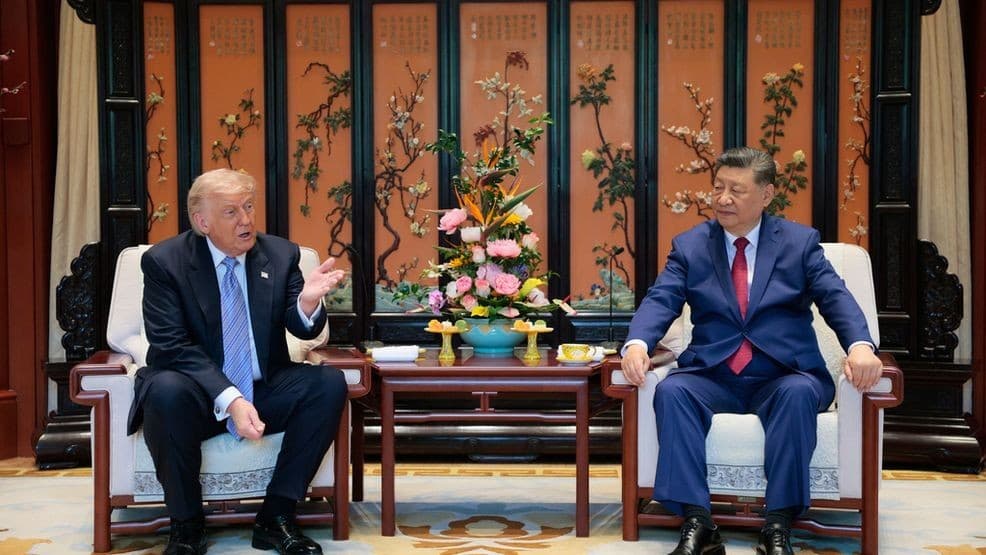
Trump left Beijing with the Taiwan question still hanging over the U.S.-China relationship, after a two-hour and 15-minute closed-door session with Xi Jinping that exposed how little room remains between trade talks and security confrontation.
The meeting came during Trump’s state visit to China from May 13 to May 15, a trip Beijing said happened at Xi’s invitation. The White House called the encounter “good,” and Trump followed the bilateral session with a state banquet in which he said he was inviting Xi and his wife for a reciprocal White House visit on Sept. 24.
But the clearest signal from Beijing was not about trade. Xi warned Trump about the risk of “clashes and even conflicts” if Taiwan is not handled properly, underscoring that the island remains the central strategic test in U.S.-China ties. For Beijing, Taiwan is not a side issue to be parked while the two sides talk tariffs or investment. It is the issue that can turn economic engagement into military danger.
The summit also mixed diplomacy with business. Several American business leaders joined part of the larger bilateral meeting, and Trump introduced each one individually, according to Chinese media. The White House said the sides discussed expanding market access for American companies in China and increasing Chinese investment, a reminder that both governments still see commercial ties as useful even as strategic trust erodes.
Yet the economic stakes around Taiwan are inseparable from defense concerns. The United States has sold more than $50 billion worth of arms to Taiwan over the decades. Late last year, Washington approved a record $11 billion arms sale, and an even larger $14 billion package was still awaiting approval on Trump’s desk. That arms pipeline matters because Washington has long relied on strategic ambiguity, leaving open whether it would intervene militarily if China attacked Taiwan.
Taipei is watching every signal closely. Taiwan’s deputy foreign minister, Chen Ming-chi, said the island’s goal is to keep the status quo, while Taiwan’s foreign ministry said it was closely monitoring U.S.-China interactions. The concern is not only military. Taiwan produces about 90% of the world’s high-end semiconductors used for AI and defense technology, making it vital to supply chains and national security well beyond the Taiwan Strait.
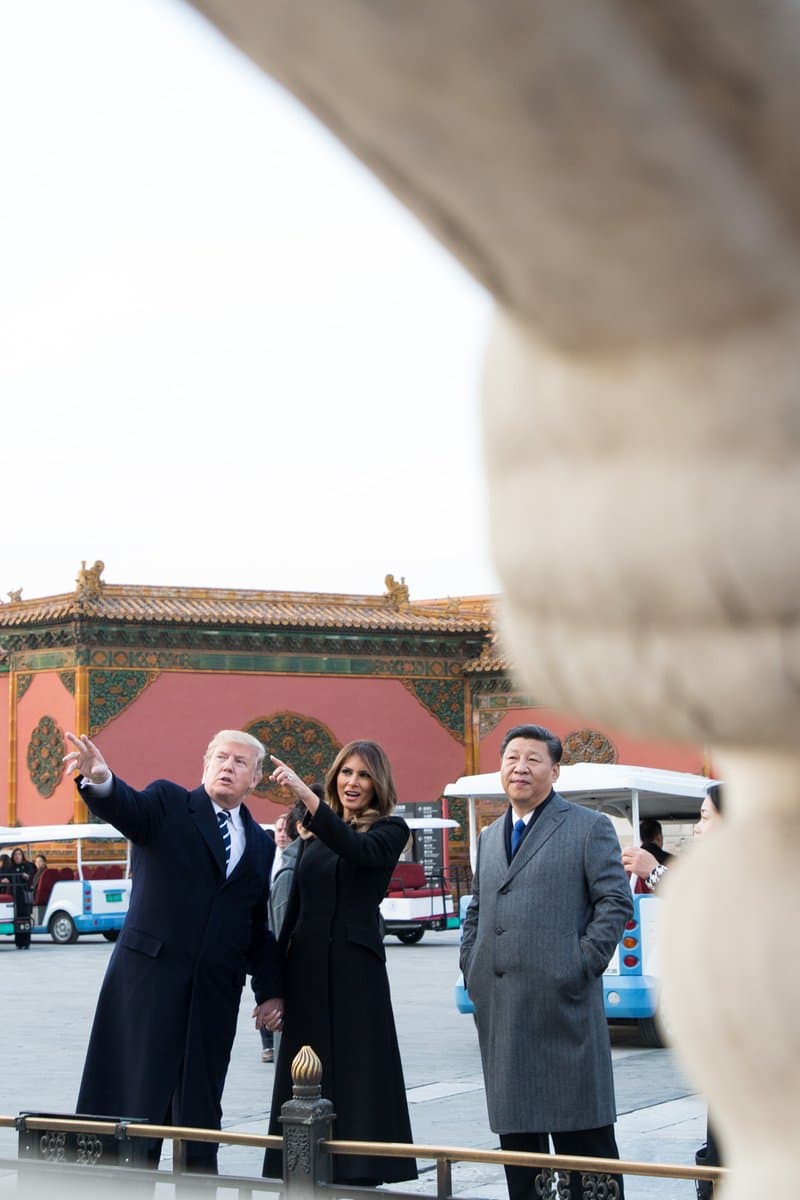
Trump’s Beijing summit ended with ceremony, business leaders, and an invitation back to Washington. On the most consequential issue, it ended where it began: with Taiwan still defining the balance between economic engagement and the risk of direct confrontation.
Know something we missed? Have a correction or additional information?
Submit a Tip