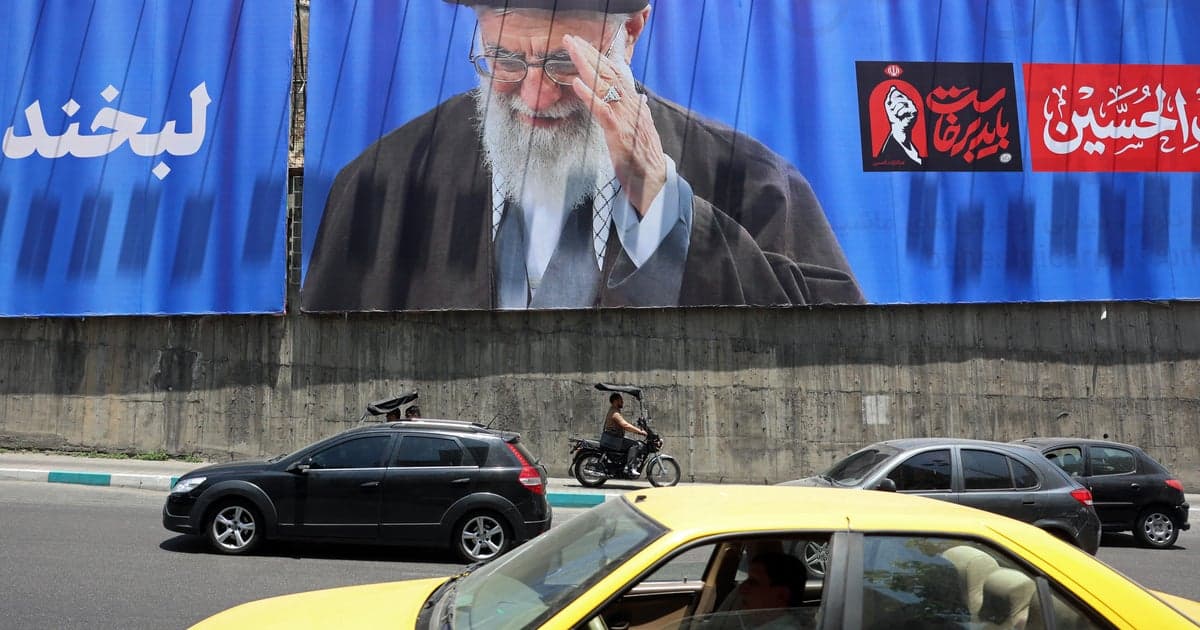
Trump would accept 20-year halt to Iran nuclear program
Trump said a 20-year pause on Iran’s nuclear program could be enough, a sharp break from his previous demand for permanent dismantlement.
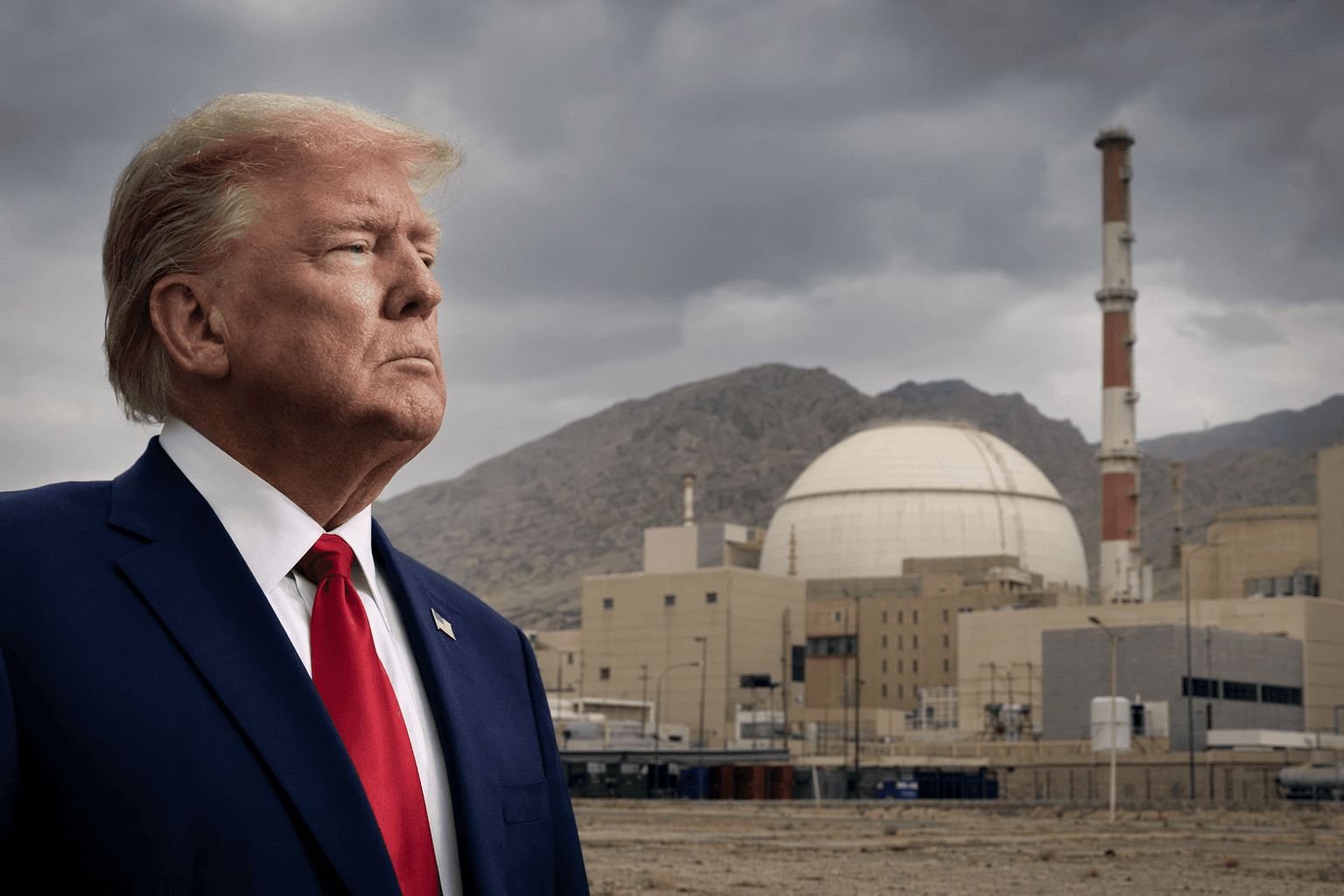
Donald Trump signaled a major softening in his Iran line on Friday, saying a 20-year suspension of Tehran’s nuclear program would be enough if Iran showed a "real" commitment. The remark marked a clear departure from his earlier insistence that Iran should never be allowed to enrich uranium, and it immediately raised a central question in Washington and Tehran: whether Trump was lowering the bar for a deal, sending a tactical message, or both.
The shift comes after months of stalled diplomacy over Iran’s enrichment program, which U.S. officials and allies view as a potential pathway to a weapon, while Tehran says its program is peaceful. Trump has continued to press for the removal of highly enriched uranium from Iran, but he recently framed that demand as partly "more for public relations than it is for anything else," underscoring how much the politics of the issue now overlap with the substance of the negotiations.
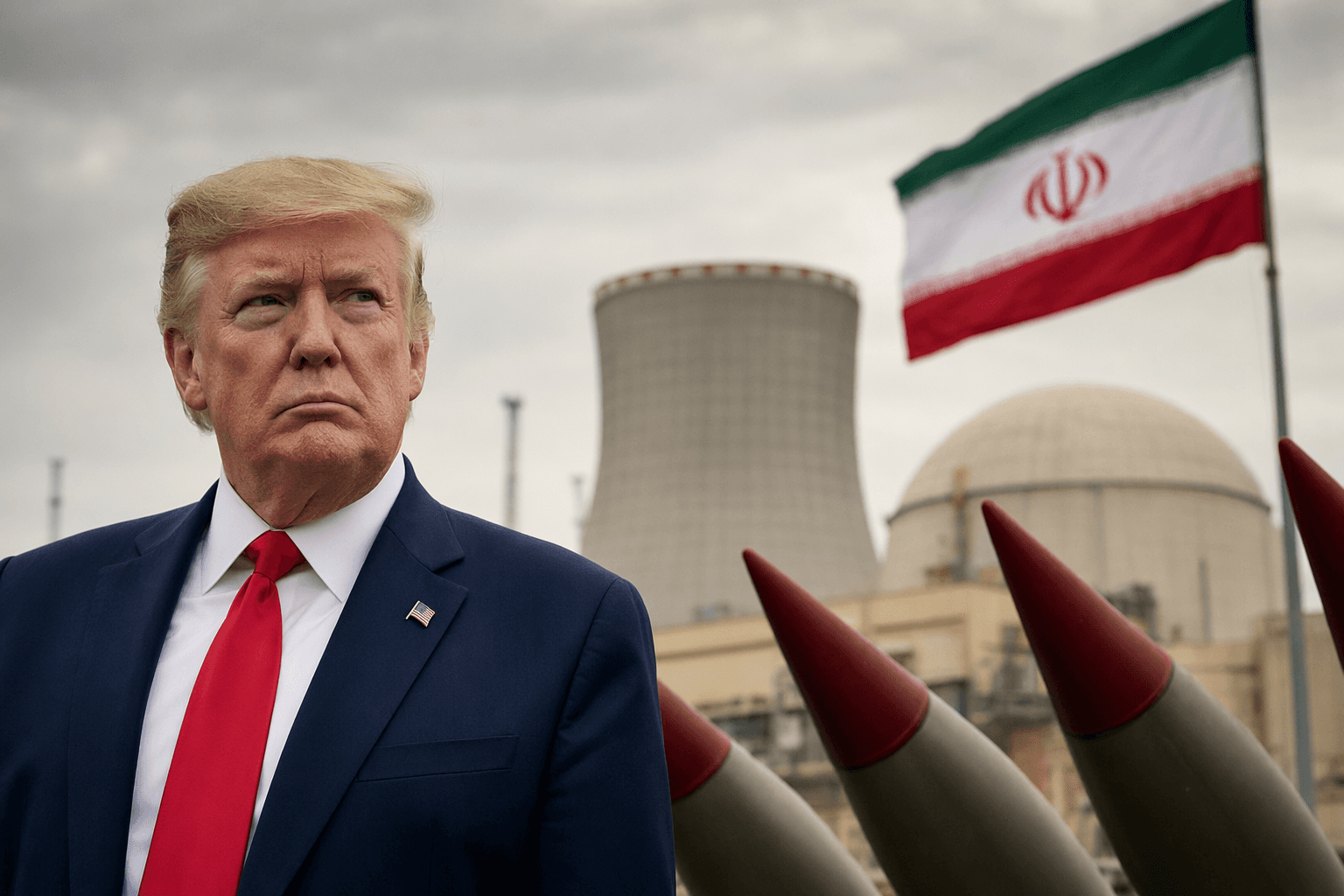
Iran’s foreign minister, Abbas Araqchi, said the same day that Tehran had "no trust" in the United States and would negotiate only if Washington was serious. Araqchi also said the nuclear issue was likely to be postponed until later stages of any future talks, keeping the dispute centered on whether Iran would accept limits on enrichment and what kind of verification or rollback the U.S. would demand in return.
The latest round of tension follows five rounds of nuclear talks in 2025 mediated by Oman, where enrichment remained the main sticking point. Oman said the fifth round ended with "some but not conclusive progress." Public reporting has said the U.S. was seeking a 20-year halt, while Iran countered with a five-year pause, a gap that shows how far apart the two sides remain even as both continue to signal interest in avoiding a broader confrontation.
The stakes extend beyond the nuclear file. A Reuters report on May 4 said U.S. intelligence assessments found the time Iran would need to build a nuclear weapon had not changed since the previous summer, reinforcing why the issue has stayed at the center of policy debates despite military strikes and escalating regional conflict. The standoff is also tied to sanctions relief and tensions over the Strait of Hormuz, where any breakdown in diplomacy could quickly spill into global energy markets and broader security risks.
This article was produced by Prism’s automated news system from verified source data, official records, and press releases, then run through automated quality and moderation checks before publishing. The system is built and supervised by the people who set the standards it runs under. Read our full AI policy.
Did this article answer your question?