Trump urges Beijing and Taipei to cool Taiwan tensions
Trump warned Taipei, not Beijing, after meeting Xi in Beijing, raising questions about how far Washington will push deterrence without provoking a crisis.
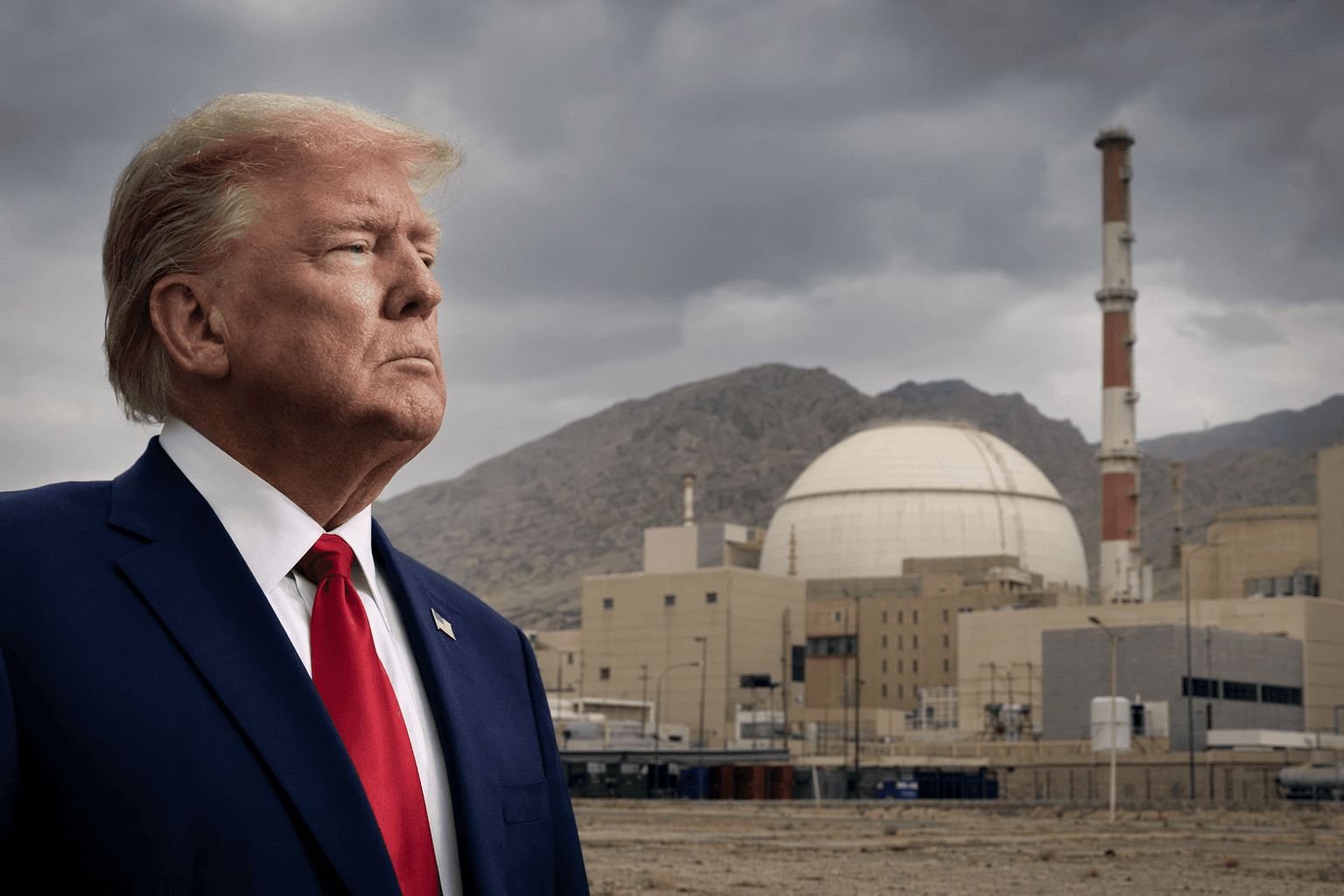
Donald Trump used his Beijing summit with Xi Jinping to send his sharpest public warning to Taipei, urging Beijing and Taiwan to “cool down” tensions and cautioning the island against formally declaring independence. That choice of target mattered: after two hours and 15 minutes with Xi, Trump publicly echoed restraint toward Taiwan even as Xi pressed him on the issue and warned that mishandling it could trigger “clashes and even conflicts” between the United States and China.
The sequence will be read in Taipei, Tokyo and the Pentagon as a signal that Washington is still trying to manage Taiwan through pressure and caution rather than open escalation. Trump, who is the first sitting U.S. president to visit China in nearly a decade, also invited Xi to the White House in September, underscoring that both sides want to stabilize ties even as Taiwan remains one of the sharpest fault lines in the relationship.
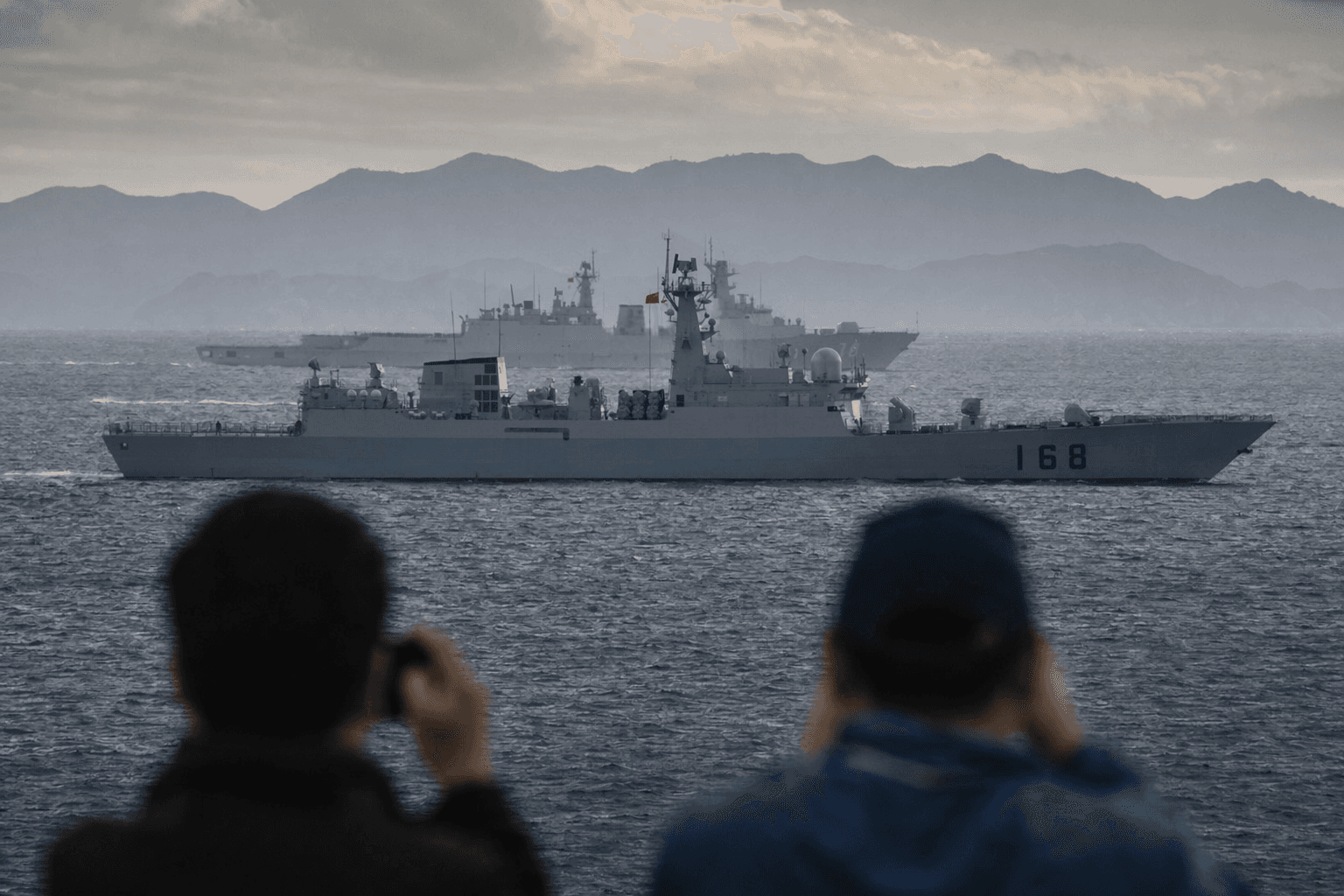
Taiwan’s response was measured but firm. Officials said nothing surprising came out of the summit and urged China to stop its military pressure on Taipei, arguing that pressure from Beijing, not Taiwan, is the real threat to peace. Taiwan’s Mainland Affairs Council said it would keep close communication with Washington, a reminder that even small shifts in wording from the White House can influence how Beijing calculates its next move.
The White House position remains anchored in a longstanding one-China policy guided by the Taiwan Relations Act, the three U.S.-China Joint Communiqués and the Six Assurances. Washington does not support Taiwan independence and says cross-Strait differences should be resolved peacefully. That framework has shaped U.S. policy since the 1979 switch in diplomatic recognition from Taipei to Beijing, a shift that still defines the limits of American support for the self-governed island.
Chinese state media described Taiwan as the “most important issue” in China-U.S. relations, and U.S. officials said Trump discussed Taiwan arms sales with Xi. The central question now is whether Trump’s public warning to Taipei, delivered after direct talks with Xi, signals a firmer U.S. effort to deter a unilateral move by Taiwan or a narrower attempt to buy time while trade and regional security frictions remain unresolved.
Know something we missed? Have a correction or additional information?
Submit a Tip