Trump and Xi project warmth amid deep tensions in Beijing summit
Red carpets and arm pats in Beijing masked a harder truth: Trump and Xi signaled warmth while Taiwan, trade and other disputes stayed unresolved.
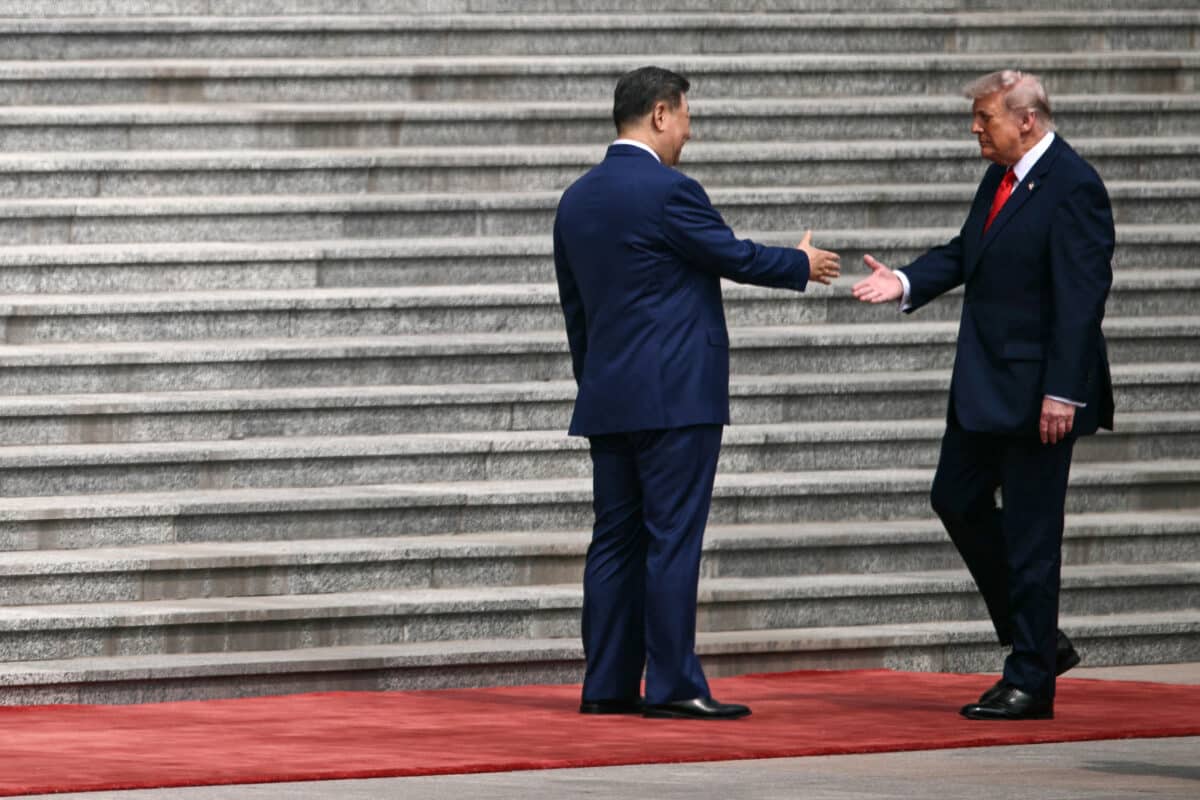
Red carpets, a military honor guard and schoolchildren waving U.S. and Chinese flags framed Donald Trump and Xi Jinping’s Beijing summit as a carefully staged show of warmth, even as the deeper rivalry between Washington and Beijing remained intact. The leaders met at the Great Hall of the People, and the pageantry underscored how much both sides wanted to project stability.
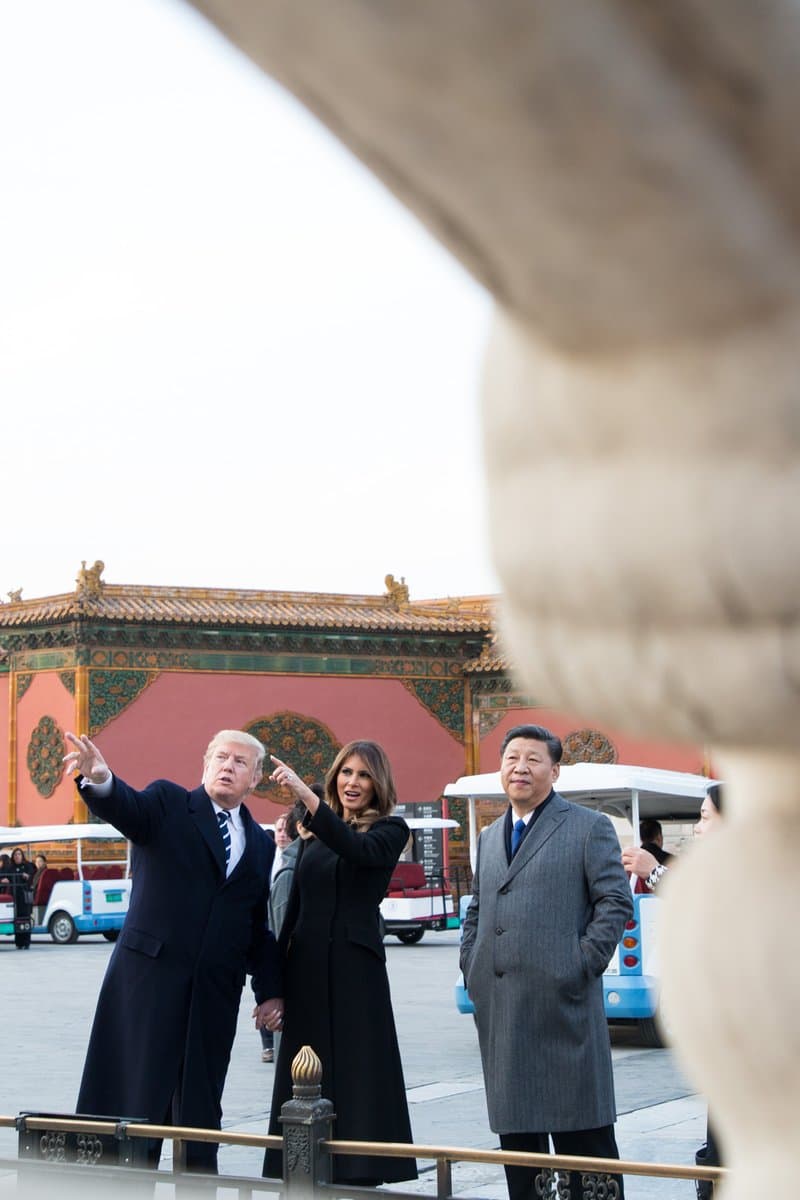
The meeting on May 14, 2026 was Trump’s first visit to China in nine years, which made the optics even more significant. Trump had predicted before the trip that Xi would give him a “big, fat hug.” Cameras did not capture that moment, but they did show repeated handshakes, smiles and light pats on the arm as the two men moved through the ceremony and later toured the Temple of Heaven together. For two leaders whose personal styles are widely seen as part of their diplomacy, the body language was unusually jovial.
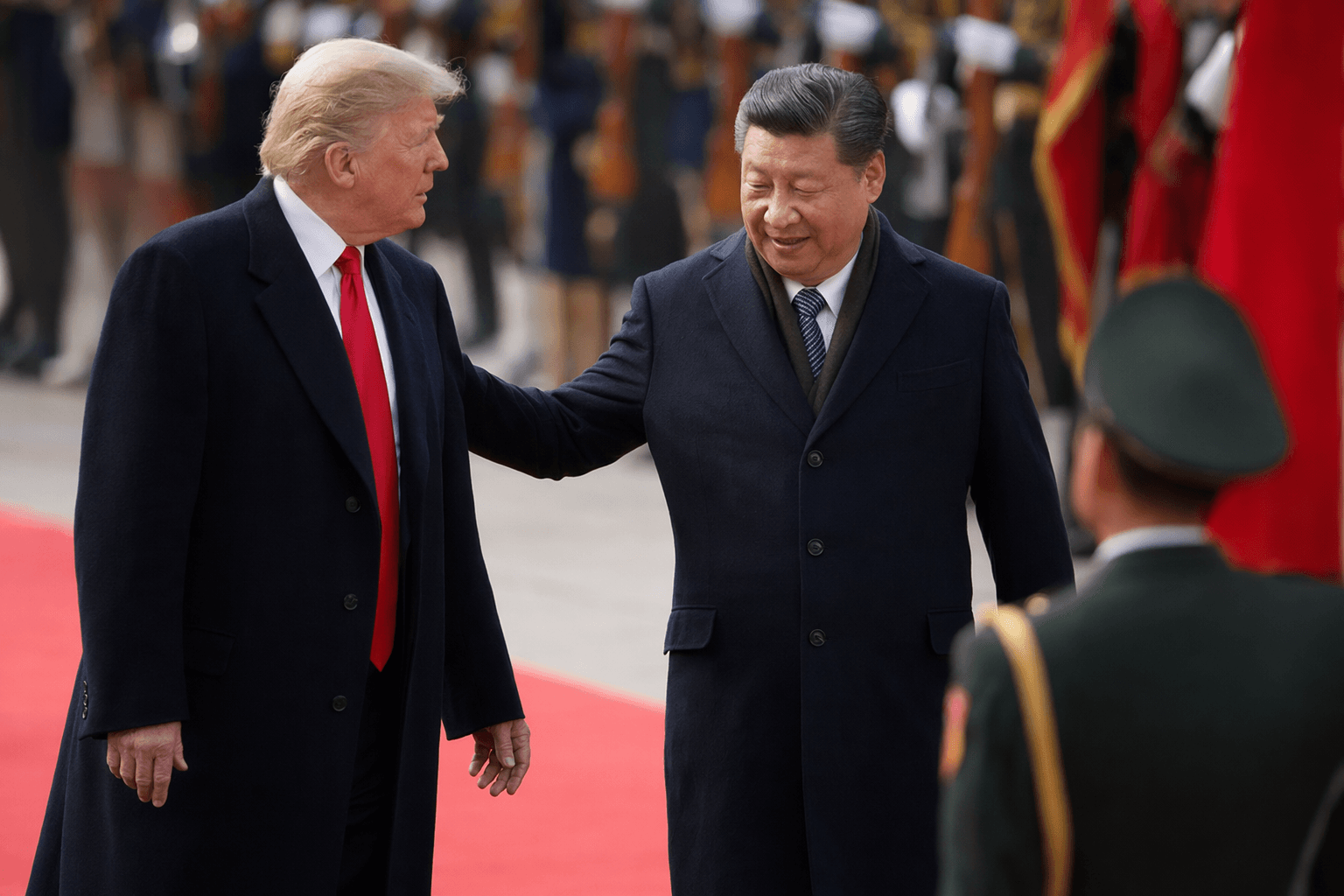
That warmth was built on a narrower opening created a day earlier, when trade envoys from the two countries held preparatory talks in South Korea on Wednesday, May 13, 2026. Xi said those talks produced “generally balanced and positive outcomes,” and told Trump that 2026 should be a “historic, landmark year.” He said the two sides had agreed on a new vision of a “constructive China-U.S. relationship of strategic stability” that should last “over the next three years and beyond.”
But Xi also used the summit to press the hardest issue directly. He called Taiwan “the most important issue” in China-U.S. relations and warned that mishandling it could lead to “clashes and even conflicts.” U.S. officials did not mention Taiwan in their initial statement, instead focusing on the Strait of Hormuz, China’s purchases of U.S. agricultural products and efforts to end the flow of fentanyl precursors. A White House official said Xi also expressed interest in buying more American oil to reduce China’s dependence on the Strait of Hormuz.
The agenda stretched well beyond the ceremonial smiles, covering Iran, agriculture, tourism, market access and Chinese investment in U.S. industries. The meeting was also framed by intellectual property, human rights, technology and trade, a reminder that the two governments are still trying to manage strategic competition more than resolve it. In Beijing, the warmth was real enough for the cameras, but it remained a tool of diplomacy, not proof that the tensions had eased.
Know something we missed? Have a correction or additional information?
Submit a Tip