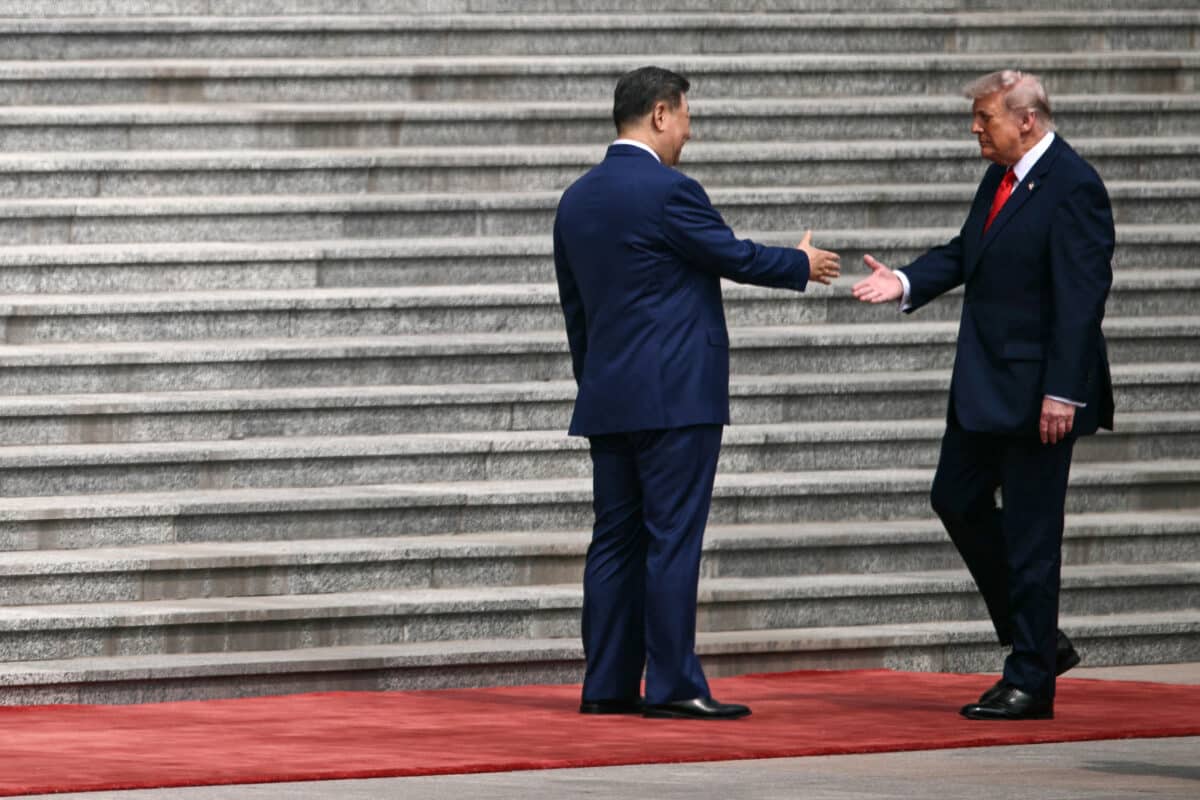
Xi warns Trump on Taiwan as China stages equal-footing summit
Xi turned Trump’s Beijing visit into a display of parity, then warned that Taiwan could trigger clashes as both sides tried to steady a fragile rivalry.
Beijing put on a summit built to project equality, not deference. During Donald Trump’s May 14-15, 2026 visit, his first trip to China as president since 2017 and his seventh face-to-face meeting with Xi Jinping, Chinese officials staged the kind of ceremony and imagery that made the United States and China look like peers on the world stage. The red carpet, state banquet and tightly choreographed public appearances reinforced Xi’s message: China was meeting Washington as an equal superpower.
That symbolism framed a meeting with high stakes and few expectations. The agenda stretched from trade and tariffs to Taiwan, artificial intelligence, rare earths and the Iran war, all layered on top of a fragile 2025 trade truce. Brookings analysts said the relationship had stabilized but remained fragile and warned that substantive gains were unlikely. The Center for Strategic and International Studies said the United States was focused on the economy and Iran, while China’s priority was stability and progress on Taiwan.
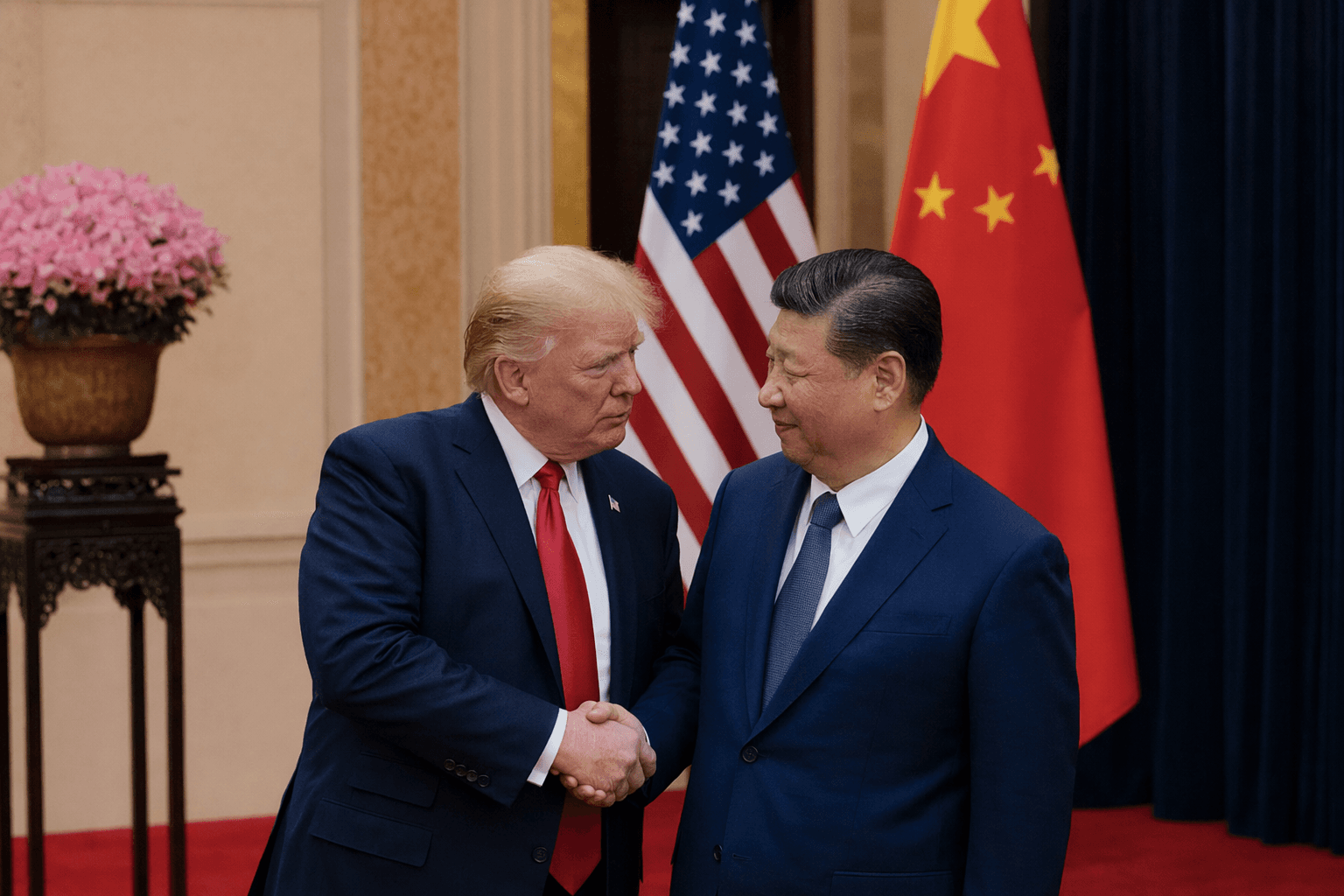
Xi opened with the sharpest warning of the visit, telling Trump that mishandling Taiwan could lead to clashes or even conflict between the two countries. The message underscored how central Taiwan remains to Beijing’s view of the bilateral relationship, even as both leaders later softened the tone and emphasized cooperation. For China, the point was not just to press its position on Taiwan, but to show that it could do so from a posture of strength, with the pageantry of a state-to-state summit rather than a plea for U.S. favor.
The strategic consequences extend well beyond the Beijing ballroom. Allies in Asia are watching whether Washington can keep the relationship from sliding into confrontation while still defending Taiwan and protecting its economic position on tariffs, rare earths and advanced technology. The summit’s carefully managed optics suggested that Beijing wants future talks to begin from a premise of parity, not hierarchy, a shift that could shape the tone of bilateral diplomacy even if it does little to resolve the broader rivalry. The most important relationship in global politics was managed, not settled.
Know something we missed? Have a correction or additional information?
Submit a Tip