Trump and Xi Set for Seventh Meeting, Trade Tensions Dominate Talks
Trump and Xi were set for a seventh meeting as tariffs, soybeans and rare earths again eclipsed the summit pageantry.
The Trump-Xi record has followed a familiar script: choreographed meetings, sudden trade deals, then fresh disputes over tariffs, technology and leverage. As Donald Trump and Xi Jinping headed into their seventh encounter, the biggest question was not whether the two leaders would exchange pleasantries, but whether this summit would produce anything lasting beyond another temporary pause.
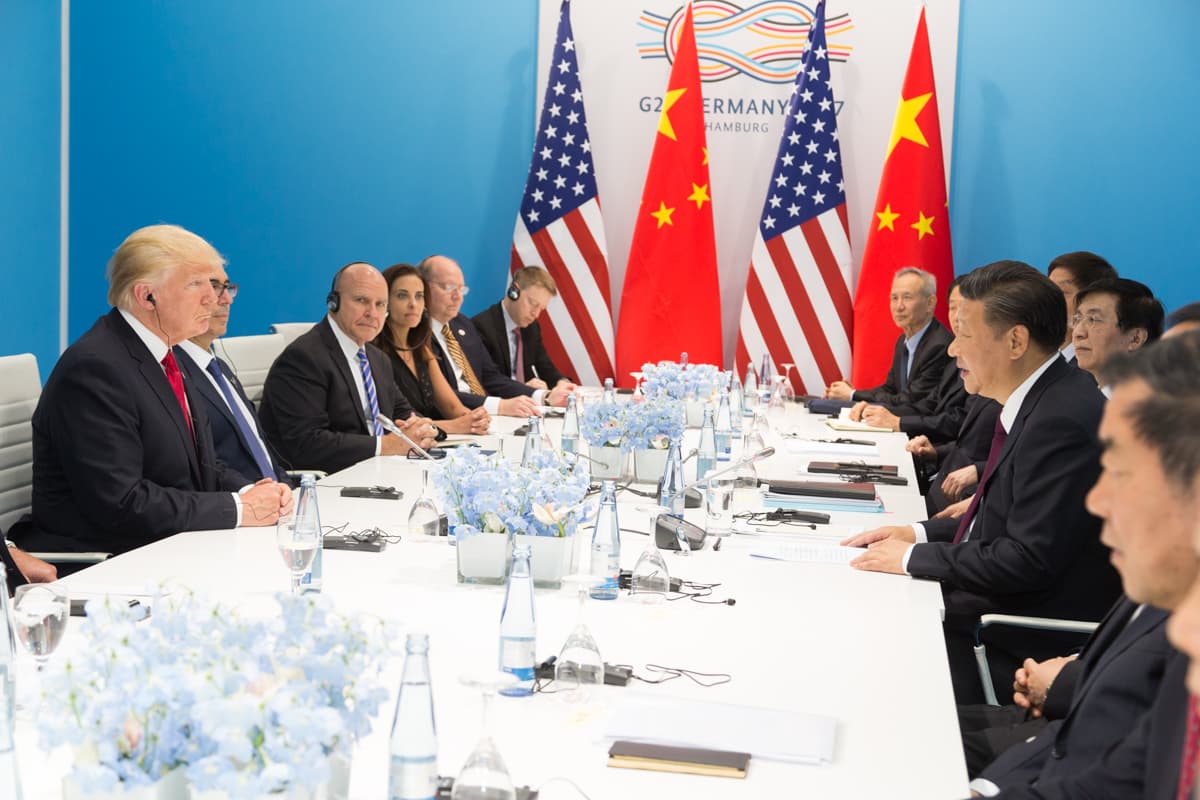
Their first meeting, at Mar-a-Lago in Florida on April 6 and 7, 2017, centered on trade ties and North Korea, a topic U.S. officials said was a high priority. A few months later, on July 8, 2017, they met again on the sidelines of the G20 summit in Hamburg, Germany. Trump then hosted Xi for a state visit in Beijing in November 2017, where the White House said the two sides reached “a series of new and important consensus” and emphasized trade, investment and high-level dialogue.
That pattern repeated in Buenos Aires in December 2018, where Trump and Xi agreed to a 90-day trade-war truce and a pause on new tariffs. In Osaka, Japan, on June 29, 2019, they agreed to resume trade negotiations. Each meeting produced a headline, and each headline suggested a reset that did not fully hold.
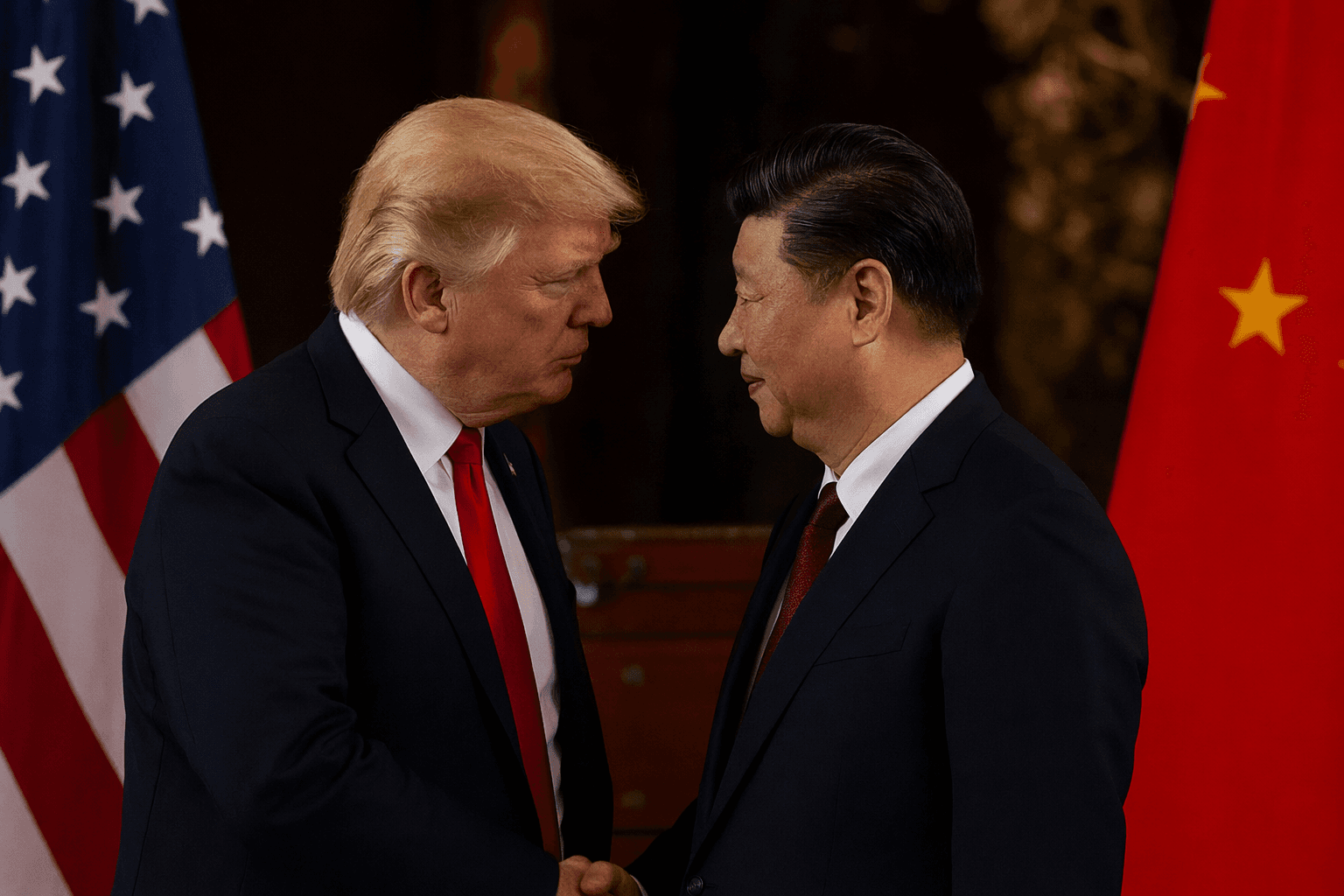
The most recent prior meeting before the latest summit came in Busan, South Korea, on October 30, 2025, and lasted roughly 90 to 100 minutes. Trump called it an “amazing meeting,” said U.S. tariffs on Chinese goods would fall from 57% to 47%, and said China would resume purchasing U.S. soybeans immediately. He also said disputes over rare earth exports and fentanyl had been addressed. Those claims mattered because they touched the pressure points that have defined the relationship for years.
That broader rivalry has never been confined to tariffs alone. Intellectual property disputes, export controls, Taiwan, North Korea, rare earth minerals and fentanyl have all shaped the competition between the world’s two largest economies. When Trump and Xi sit down, the market reaction is often immediate, but the real test is whether the pledges survive beyond the summit room.
This latest meeting carried the same stakes as the six before it. Farmers watched for soybean purchases. Manufacturers watched for tariff relief. Security officials watched for signs of restraint on Taiwan, North Korea and technology controls. The history of Trump-Xi summits suggests that symbolism comes easily; durable agreement does not.
This article was produced by Prism’s automated news system from verified source data, official records, and press releases, then run through automated quality and moderation checks before publishing. The system is built and supervised by the people who set the standards it runs under. Read our full AI policy.
Did this article answer your question?