Trump and Xi strike conciliatory tone amid trade and Taiwan tensions
Trump called Xi a friend in Beijing even as Xi warned Taiwan missteps could trigger conflict and jeopardize ties.

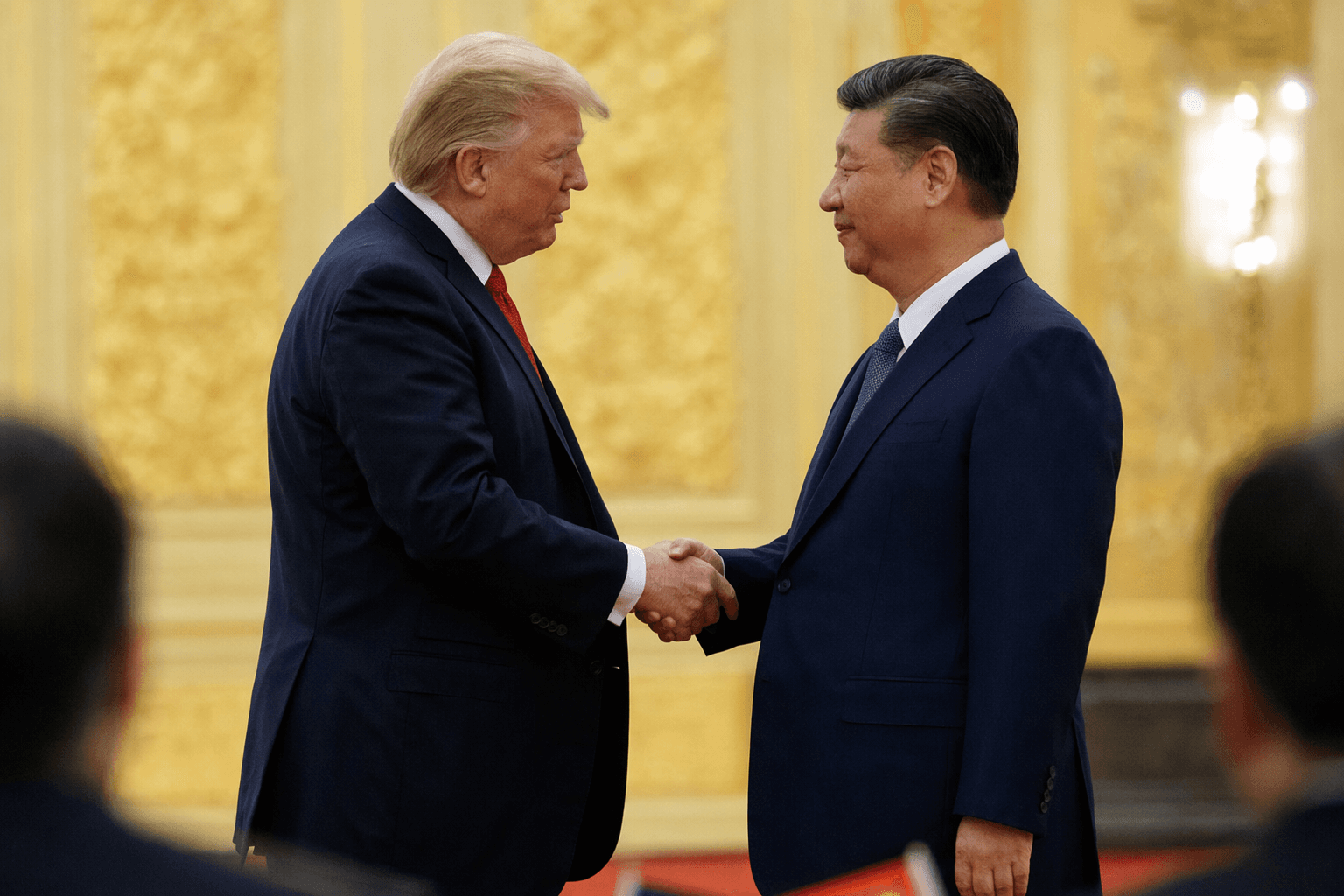
Donald Trump arrived in Beijing projecting toughness on China at home, but he sat down with Xi Jinping in a far more conciliatory register, underscoring the split between campaign-style confrontation and the softer language often required to keep a crisis-prone relationship moving. The two leaders met on the morning of May 14 at the Great Hall of the People during Trump’s May 13-15 state visit, a trip Chinese state media cast as the first U.S. presidential visit to China in nine years.
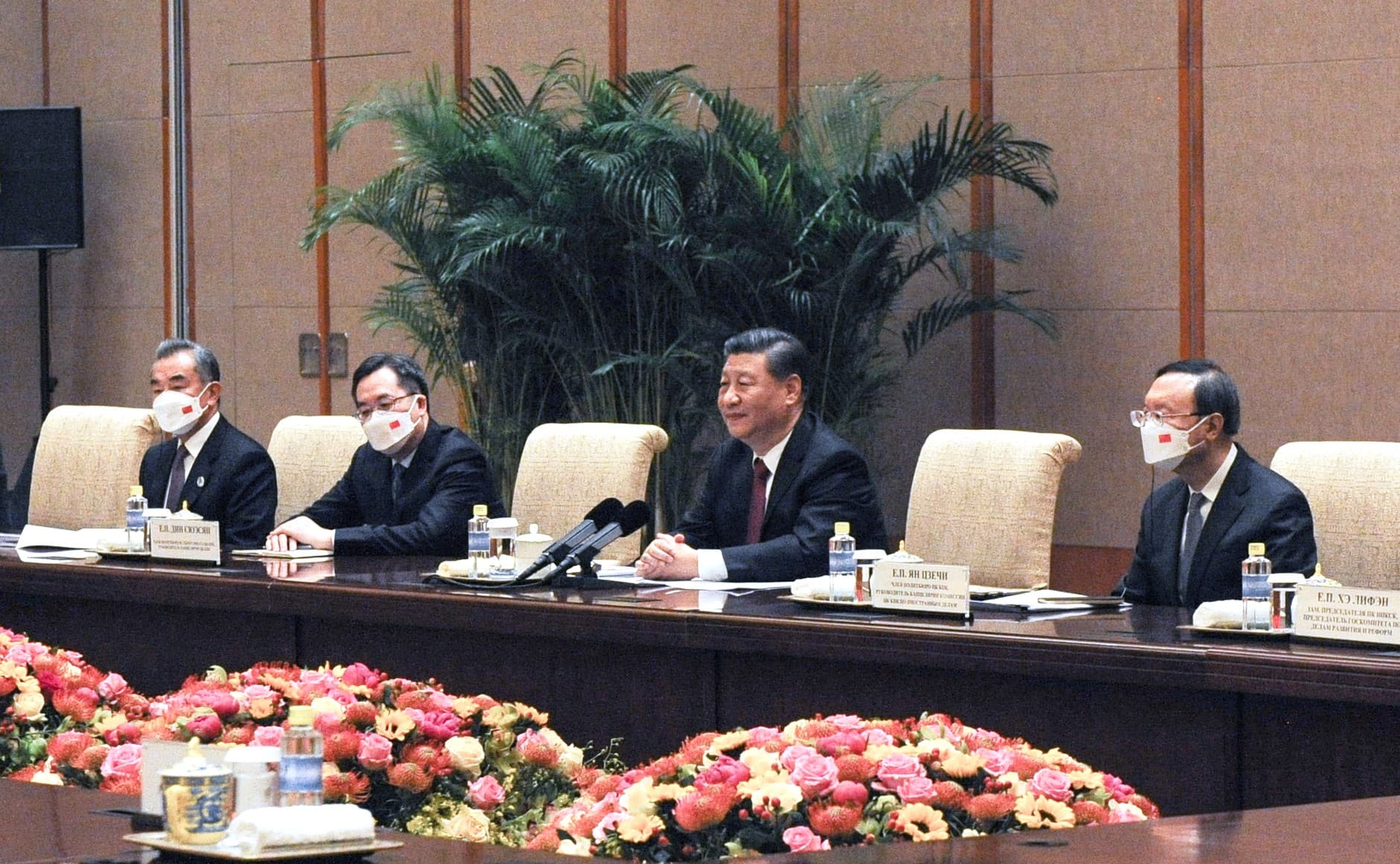
Xi used the public session to lay down the sharper frame. He said the international situation is undergoing a “transformation not seen in a century,” warned against the “Thucydides Trap,” and said he was ready to work with Trump to make 2026 a “historic, landmark year” for China-U.S. relations. Xi also said the two sides had agreed on a new vision of a “constructive China-U.S. relationship of strategic stability,” while insisting that economic ties were “mutually beneficial” and that disputes should be handled through “equal-footed consultation.”
The contrast mattered because the summit sat on top of several live flash points: trade, Taiwan, artificial intelligence, the Iran war, and China’s leverage over rare earth minerals and magnets. The meeting itself had been delayed in March after U.S. and Israeli strikes on Iran. By the time Trump landed in Beijing, China was still throttling rare-earth and magnet shipments that matter to defense production and manufacturing, giving Beijing an important source of leverage in talks that had already been shaped by Trump’s tariff escalation, which pushed duties past 140 percent.
Trump had tried to keep the temperature down before the meeting, publicly calling Xi a “great leader” and a “friend.” But the diplomatic language still carried warning labels. Xi reportedly told Trump that mishandling Taiwan could trigger conflict and put the broader relationship in “great jeopardy,” a reminder that Beijing’s most important red line remained unchanged even as both sides talked up stability.
The last known Trump-Xi phone call came on June 5, 2025, followed by another on September 19, 2025 that Xi’s side described as “pragmatic, positive and constructive.” That fragile opening was the backdrop to Beijing’s effort on May 14 to present itself as willing to deal, but only on terms that preserved Chinese leverage. In public, both presidents sounded measured. In practice, Xi used the summit to press for strategic restraint, while Trump’s softer tone showed how much governing with China can differ from campaigning against it.
Know something we missed? Have a correction or additional information?
Submit a Tip