Trump Announces Major Combat Operations Against Iran, Americans Urged to Leave Iraq
The U.S. Embassy in Baghdad issued a Level 4 alert warning Americans to leave Iraq immediately, citing imminent militia attacks within 24 to 48 hours tied to the ongoing Iran war.

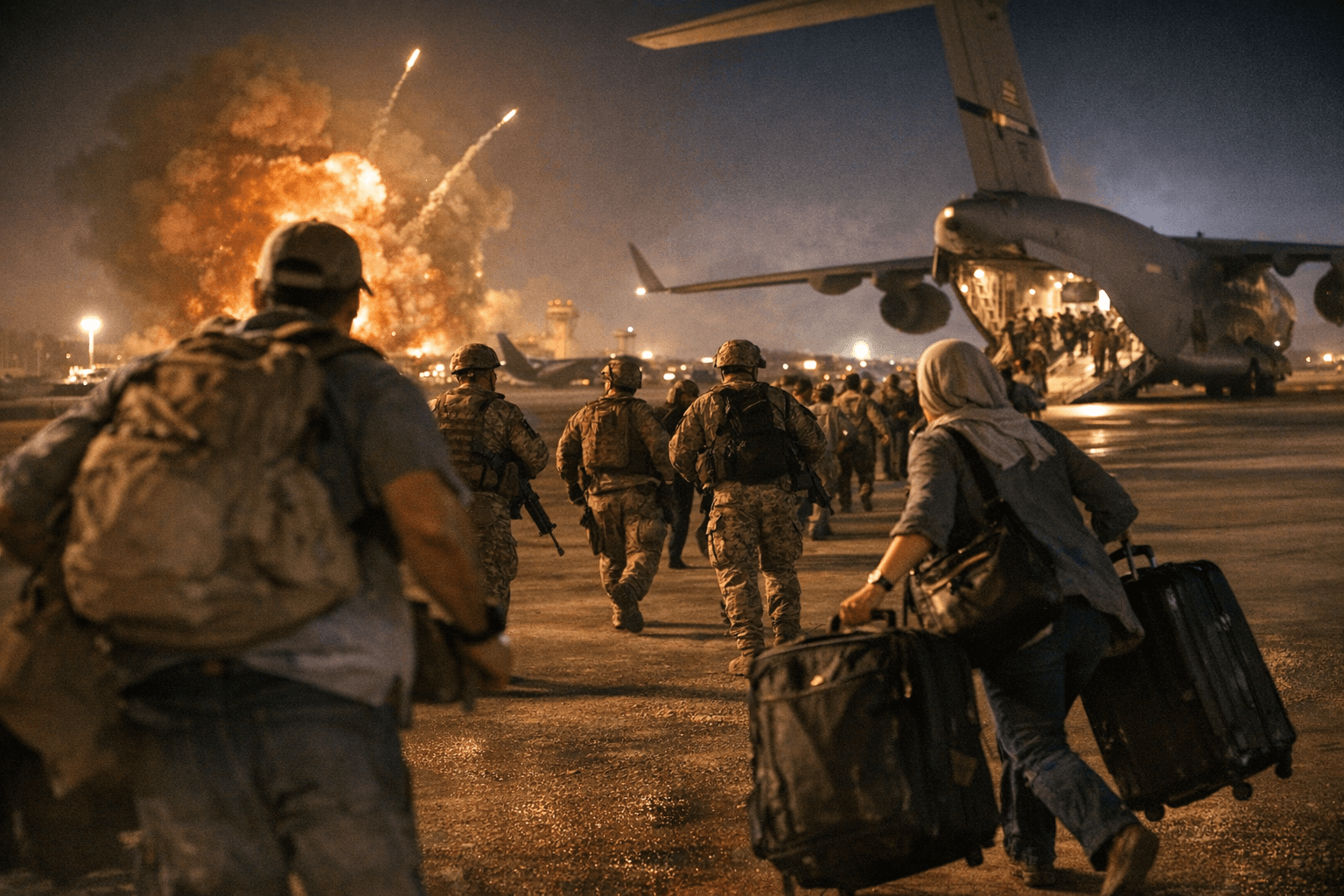
The U.S. Embassy in Baghdad issued an urgent security alert Thursday warning American citizens to leave Iraq immediately, citing intelligence that Iran-aligned Iraqi terrorist militias may conduct attacks in central Baghdad within the next 24 to 48 hours. The alert, posted on the embassy's account on X, represents the most acute warning to Americans since President Donald Trump launched Operation Epic Fury on February 28, setting off the widest U.S. military engagement in the Middle East in over two decades.
The embassy listed the potential targets in blunt terms: U.S. citizens, businesses, universities, diplomatic facilities, energy infrastructure, hotels, airports, and Iraqi government institutions. With Iraqi airspace closed and commercial flights suspended, the embassy directed Americans to leave overland, with routes to Jordan, Kuwait, Saudi Arabia, and Turkey identified as open, though subject to long delays. Jordan has been allowing U.S. citizens to cross with expired passports and waiving certain fees. Kuwait's commercial airports remain non-operational due to ongoing missile and drone threats, making Saudi Arabia the most reliable air-exit corridor for those who can reach it. The State Department has placed Iraq at Level 4, its highest designation, with a blanket "do not travel" advisory extended across 16 countries in the region.
A complicating factor underscored in the embassy alert is that some militia members may carry official Iraqi government identification or hold links to state institutions, meaning the threat is not cleanly separable from the security environment Americans would ordinarily rely on for protection.
The backdrop to Thursday's warning is the six-week air campaign Trump announced February 28 in an eight-minute video posted to Truth Social. Framing the operation as a response to 47 years of Iranian aggression, Trump said the U.S. objective was to "eliminate imminent threats from the Iranian regime," including its nuclear program and ballistic missile arsenal. The joint U.S.-Israeli strikes killed then-Supreme Leader Ayatollah Ali Khamenei on the first day; his son Mojtaba Khamenei was subsequently chosen to succeed him. Defense Secretary Pete Hegseth said last month the campaign had struck more than 15,000 targets.
Despite that scale, the embassy alert reflects a core tension in the operation: destroying Iran's military infrastructure does not neutralize the web of proxy militias Iran spent decades building across Iraq, Syria, Lebanon, and Yemen. Those groups, including Iraqi factions affiliated with the Popular Mobilization Forces, have continued drone, rocket, and mortar attacks on U.S. positions in Baghdad, Erbil, and the Harir air base in the Kurdistan Region. The kidnapping of American journalist Shelly Kittleson in Iraq earlier this week illustrated how the threat extends beyond military installations to any individual with perceived U.S. ties.
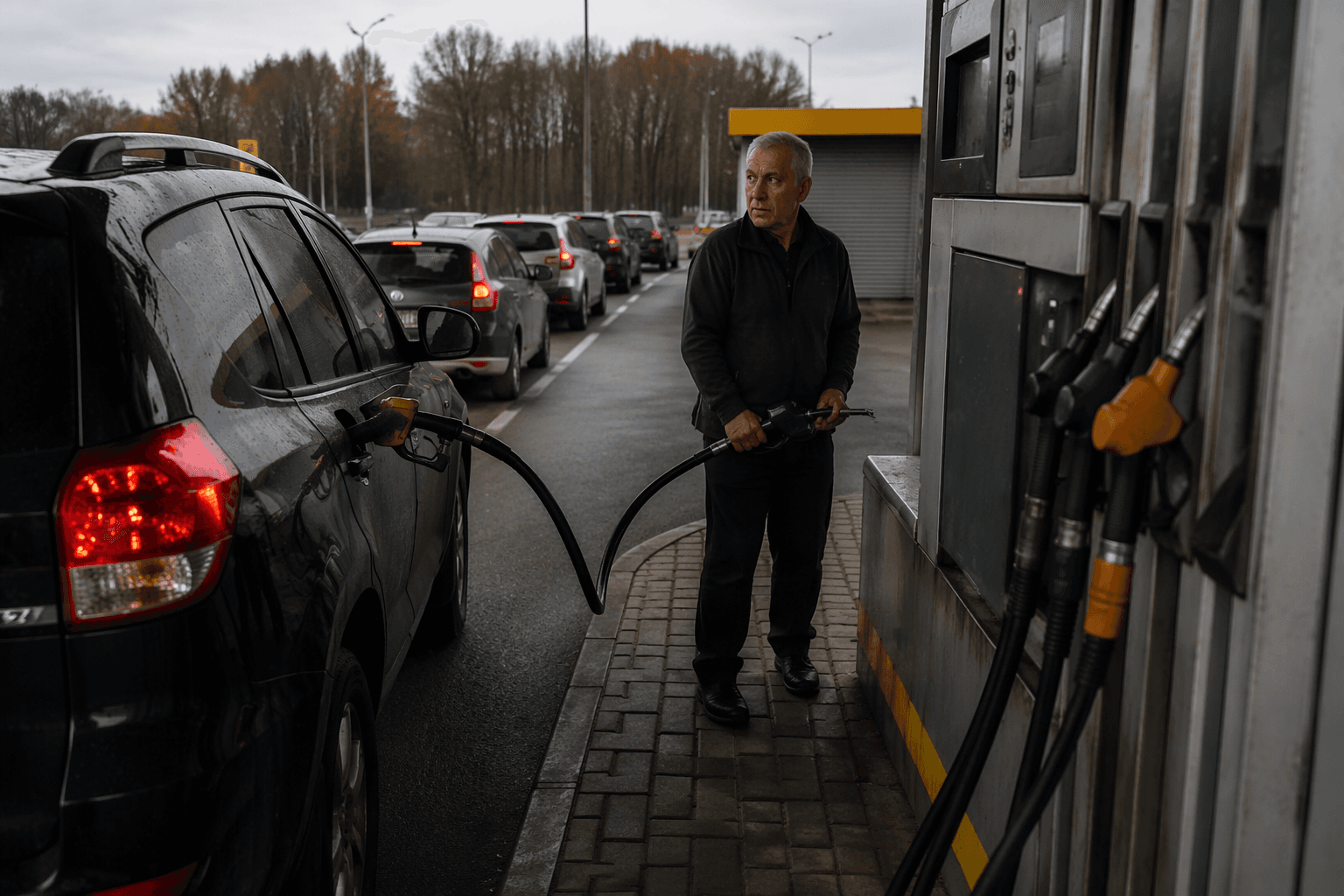
The regional spillover has already registered in global markets and airspace. Oil prices surged roughly seven percent after Trump floated the possibility of strikes on Iranian energy infrastructure, pushing Brent crude futures to $108 per barrel. At least eight countries, including Jordan, Qatar, Bahrain, Kuwait, and the UAE, closed their airspace in the hours after the February 28 strikes, and portions of that closure remain in effect. The European Union Aviation Safety Agency updated its conflict zone bulletin this week, advising against operating in the airspace of eleven countries including Iraq, Iran, Israel, and Kuwait through at least April 10.
Escalation pathways extend well beyond Iran's own territory. Hezbollah in Lebanon, Houthi forces in Yemen, and Iranian-linked militias in Syria each represent autonomous nodes that can intensify their own operations independent of Tehran's direct command. Iran has also signaled its readiness to close the Bab al-Mandab strait in cooperation with the Houthis, a move that would choke a critical global shipping corridor. The Strait of Hormuz has already been disrupted; Israel said it killed Iran's top naval commander, Alireza Tangsiri, in an effort to reopen it.
Trump said on March 31 that U.S. forces would be leaving Iran within two to three weeks. The embassy's Level 4 alert, renewed Thursday with a 24-to-48-hour attack window, suggests the ground reality in Iraq is not yet tracking that timeline.
This article was produced by Prism’s automated news system from verified source data, official records, and press releases, then run through automated quality and moderation checks before publishing. The system is built and supervised by the people who set the standards it runs under. Read our full AI policy.
Did this article answer your question?