Trump announces Russia, Ukraine ceasefire, 1,000-prisoner swap planned
Trump said Russia and Ukraine will swap 1,000 prisoners each as a three-day ceasefire is set to begin Saturday. The pause is tied to Victory Day, but past truces have quickly unraveled.
A 1,000-for-1,000 prisoner swap and a three-day ceasefire offered the clearest sign yet of movement between Russia and Ukraine, but the narrow window also underscored how fragile any diplomatic opening remains.
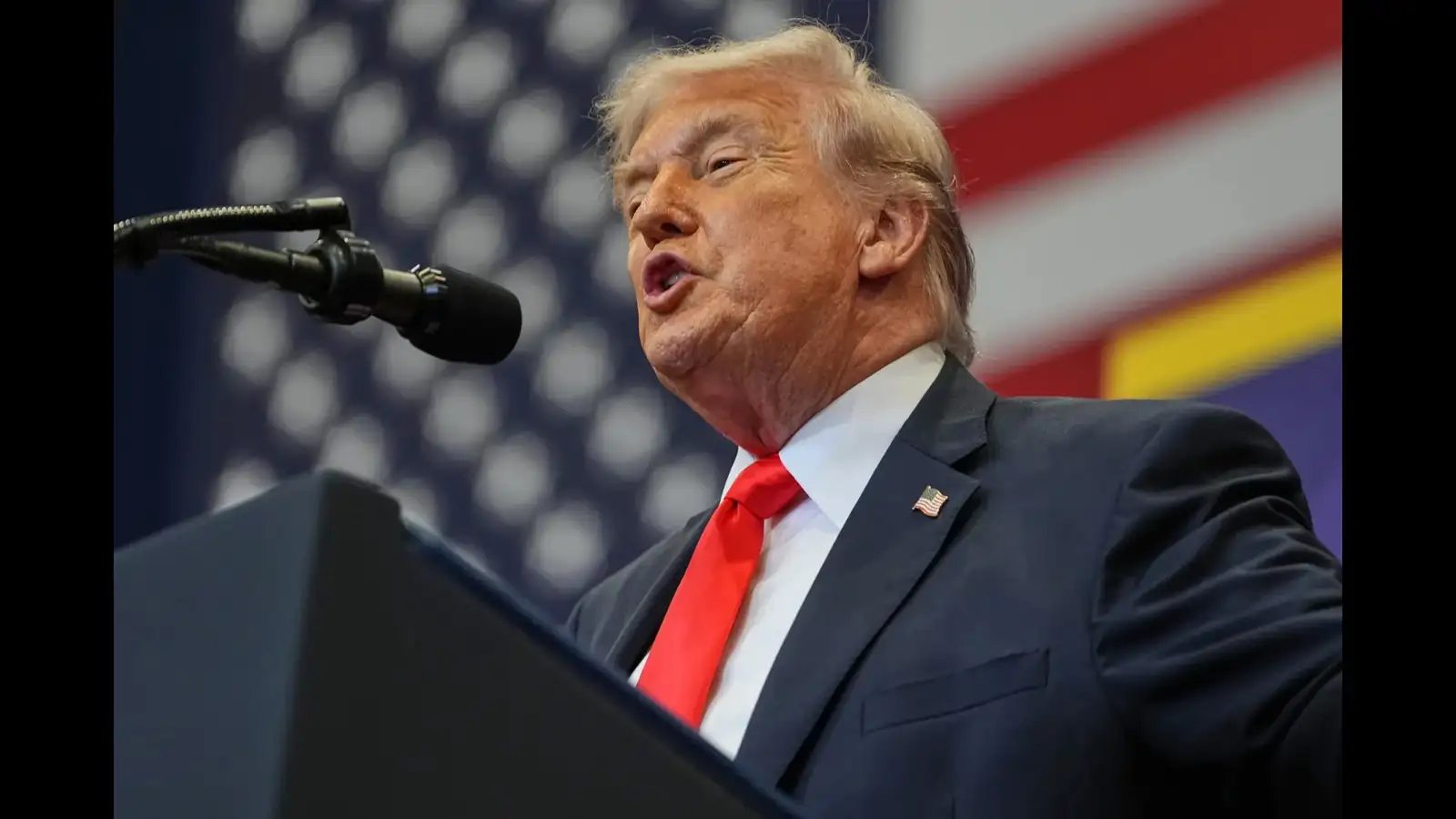
Donald Trump said Russia and Ukraine had agreed to halt fighting from Saturday, May 9, through Monday, May 11, with the truce including a suspension of all "kinetic activity" as well as the prisoner exchange. He tied the pause to Russia’s Victory Day commemorations on May 9, the annual observance marking the Soviet defeat of Nazi Germany in World War II. Trump described the agreement as potentially the "beginning of the end" of the war, a sweeping claim that will be tested immediately by events on the battlefield.
The timing was complicated before Trump spoke. Russia had already declared a unilateral ceasefire for May 8-9, while Ukraine announced a separate temporary pause around the same time. That overlap made the calendar unusually hard to follow, even as Russian and Ukrainian authorities later confirmed the ceasefire and exchange after Trump’s announcement. The result was less a clean diplomatic breakthrough than a highly constrained pause layered over competing public gestures.
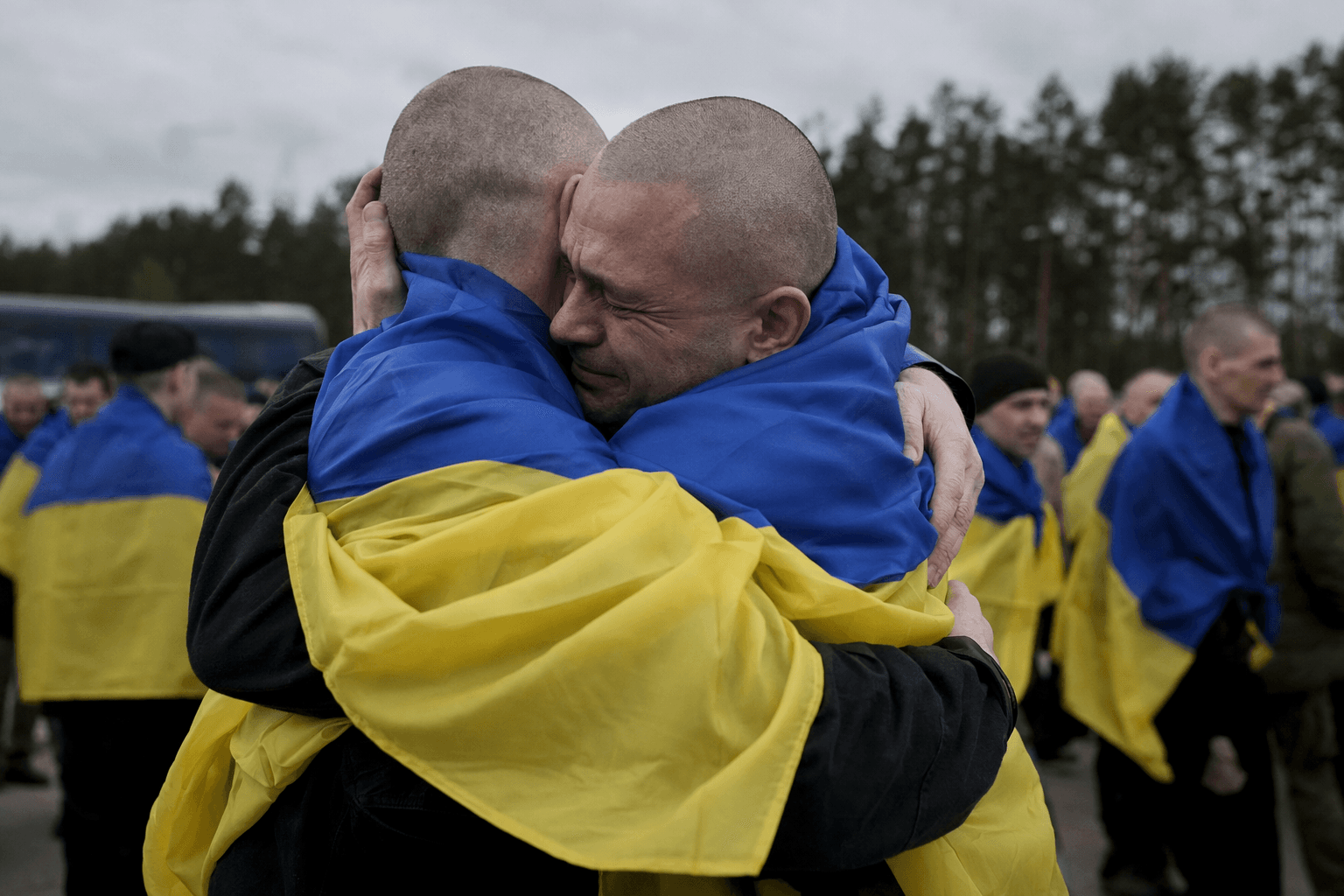
Volodymyr Zelenskyy signaled support for the prisoner deal and said Kyiv would prioritize bringing prisoners home over attacks on Moscow, a notable indication that the humanitarian element of the proposal could outlast the short ceasefire itself. For Ukraine, the exchange could deliver immediate relief to families waiting for news of detained soldiers and civilians. For Russia, the same deal offers a chance to present itself as willing to engage on terms linked to a national holiday loaded with symbolism.
Still, a short ceasefire is not a settlement. Russia and Ukraine have traded drone strikes in the run-up to the announcement, and past truces have repeatedly collapsed once they met the realities of the war. The prisoner swap is concrete, and the scale is significant, but the central question is whether it becomes a bridge to broader negotiations or simply a tactical pause that each side can claim as a win.
The precedent is real. In May 2025, Russia and Ukraine agreed to exchange 1,000 prisoners each in direct talks in Istanbul, a swap later described as the largest of the war at the time. This latest agreement matches that number, but the battlefield has not changed enough to suggest that a three-day lull alone will alter the war’s underlying trajectory.
Know something we missed? Have a correction or additional information?
Submit a Tip