Trump antitrust nominee faces Senate scrutiny over Muslim, FCC remarks
Senators pressed D. Adam Candeub on his Muslim-immigration claim and FCC views as Trump’s antitrust pick faced questions over merger and Big Tech oversight.
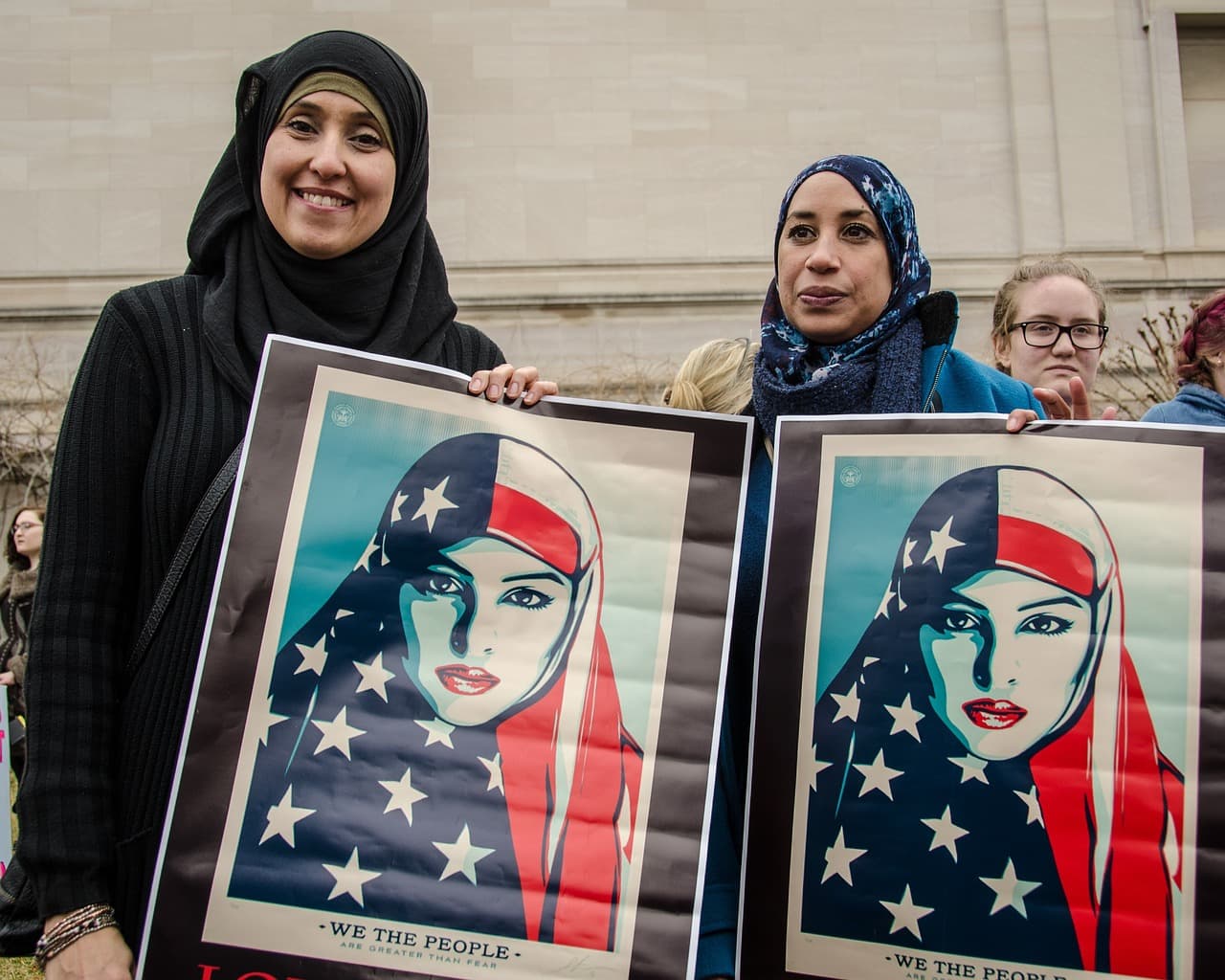
Senators on the Senate Judiciary Committee pressed D. Adam Candeub over an article saying Muslim immigrants are “prone to terrorism” and over his views on the Federal Communications Commission’s role in content oversight. The questioning put President Donald Trump’s nominee to lead the Justice Department’s antitrust division under immediate scrutiny for past positions that could shape how the department handles mergers, monopolization cases and disputes over major technology companies.
Candeub was nominated on July 21 to lead the DOJ Antitrust Division, the unit that reviews corporate mergers and pursues monopolization cases. He has been identified in committee materials as D. Adam Candeub and has a background as an FCC general counsel and telecom regulatory lawyer, while also drawing attention as a big-tech critic who worked on Project 2025. His record made him an especially charged pick for a post that sits at the center of federal competition policy.
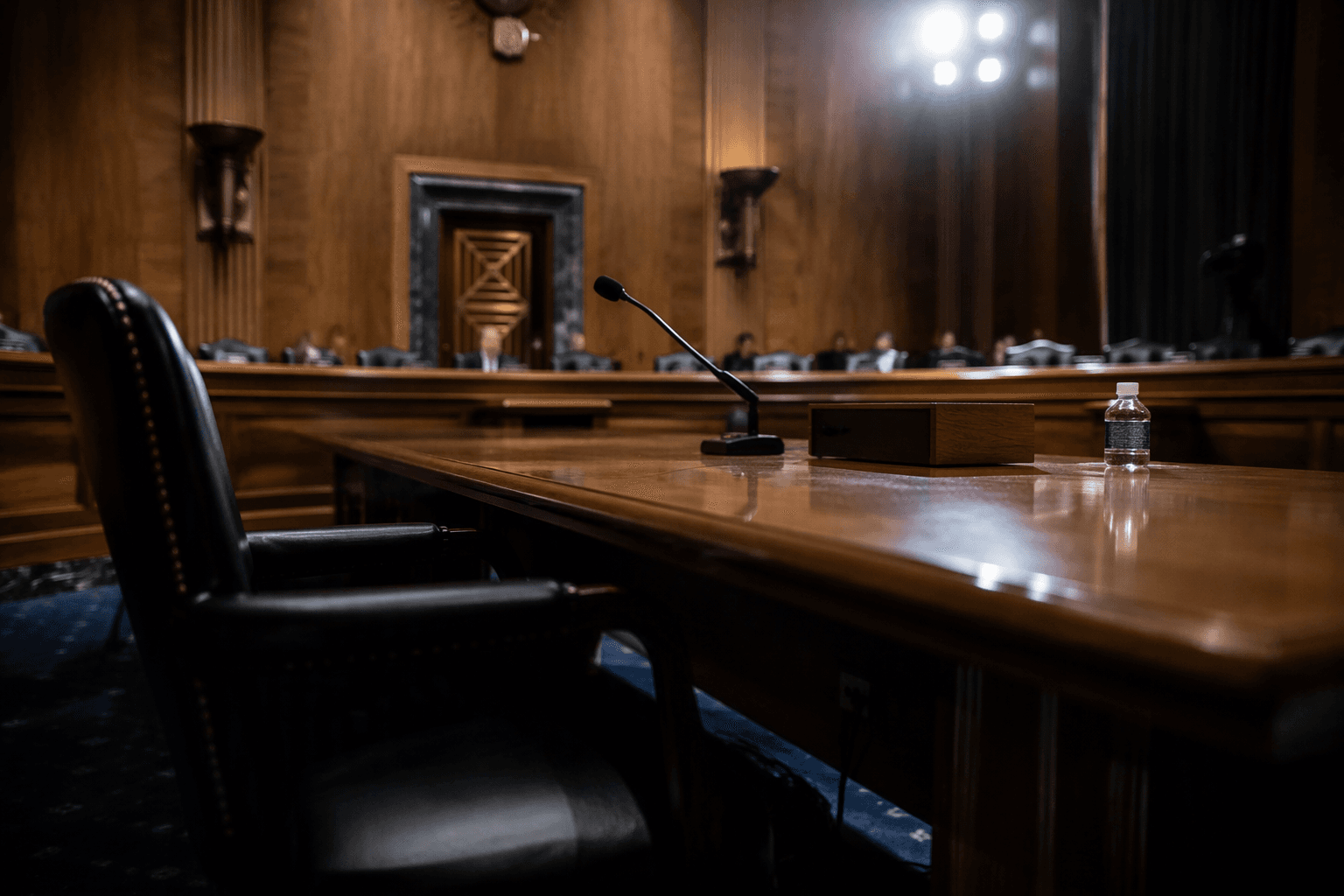
The Judiciary Committee’s hearing notice listed Anna St. John, Gregory Carl Cook, D. Adam Candeub, John Peter Cronan and Jason Manion on the Aug. 5 panel. That lineup underscored the range of nominees being moved through the committee as Republicans and Democrats sparred over how closely Trump’s appointees should hew to administration priorities in politically sensitive jobs.
The antitrust division’s leadership matters because it sets the tone for merger negotiations, litigation strategy and settlement decisions in sectors such as technology, media and telecommunications. Candeub’s comments on Muslims and his views on the FCC’s oversight of content raised the broader question of whether ideological baggage can affect an office that is supposed to enforce competition law neutrally, even as it wields enormous influence over corporate consolidation and platform power.
The hearing came as the Justice Department separately moved to rescind decades-old guidance to proxy advisory businesses over antitrust concerns, a reminder that competition policy remained active and contentious as senators examined who would control it. For the next antitrust chief, the confirmation fight turned not on abstract theory but on whether the nominee’s past statements could undermine trust in decisions involving some of the country’s most powerful companies.
This article was produced by Prism’s automated news system from verified source data, official records, and press releases, then run through automated quality and moderation checks before publishing. The system is built and supervised by the people who set the standards it runs under. Read our full AI policy.
Did this article answer your question?