Trump appointee presses revived election-fraud push in North Carolina
Dan Bishop, now a federal prosecutor in North Carolina, is helping drive a revived election-fraud campaign that investigators have already turned away.

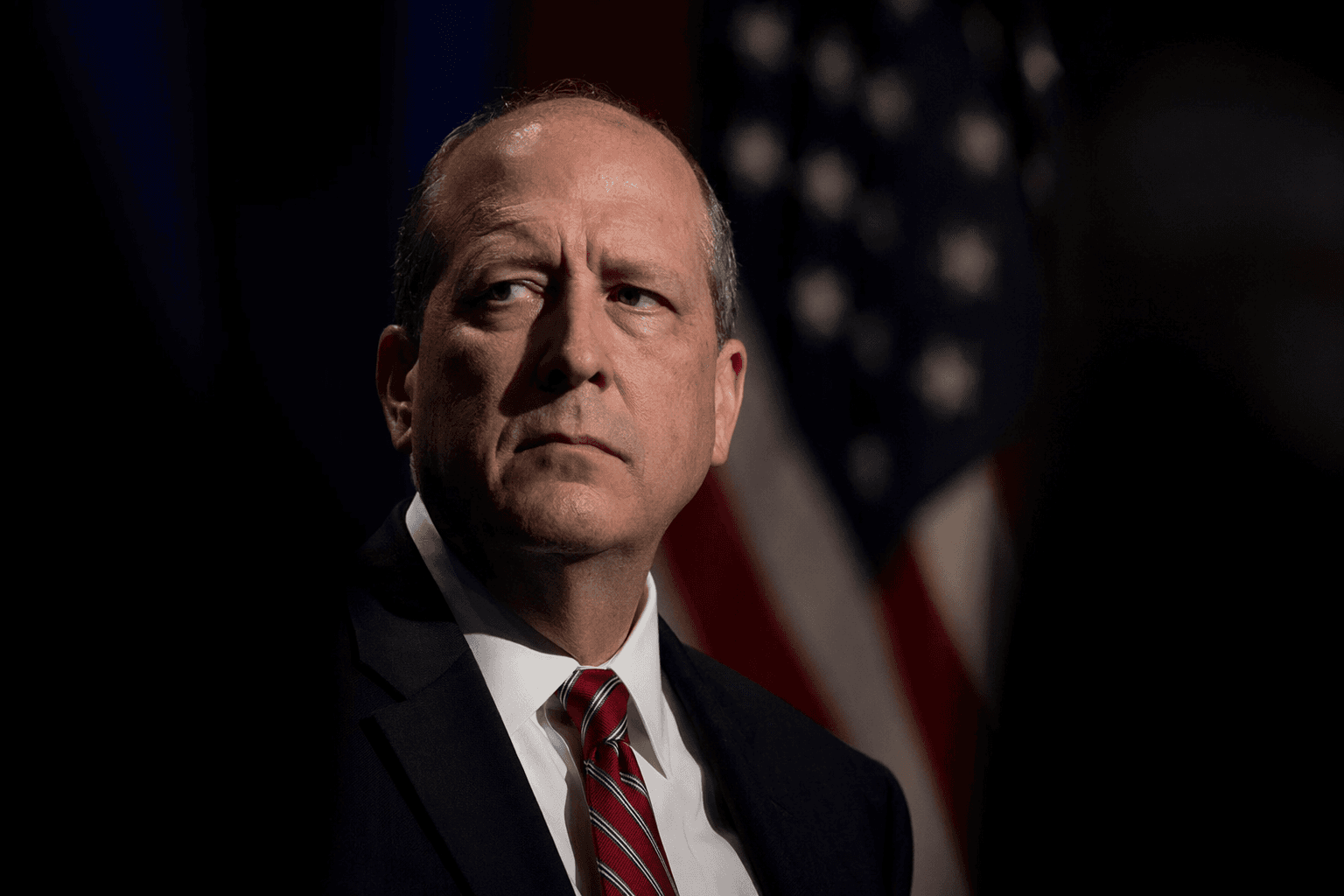
Dan Bishop, a former North Carolina Republican congressman who refused to certify Joe Biden’s 2020 victory after the Jan. 6 attack on the Capitol, has become a key figure in President Donald J. Trump’s renewed push to turn election-fraud claims into federal action. Appointed by Attorney General Pam Bondi, Bishop was sworn in as interim U.S. attorney for the Middle District of North Carolina on Nov. 12, 2025, putting a Trump loyalist in charge of a district that covers 24 central counties and about 3 million North Carolinians.
His office sits inside a Justice Department structure that is supposed to police election crime with uniformity and restraint. The department’s Public Integrity Section oversees federal investigations into crimes affecting government integrity, including election offenses, and its Election Crimes Branch was created in 1980 to guide the national response. That machinery now operates alongside a broader administration effort that has included demands for voter-registration records in states across the country and a new willingness to monitor polling places.
The latest federal push intensified in February 2026, when the Justice Department sued five additional states over voter-roll requests, bringing the nationwide total to 29 states and the District of Columbia. In October 2025, the department also announced it would monitor polling sites in six jurisdictions ahead of the Nov. 4 general election. In New Jersey, the U.S. Attorney’s Office said its Election Integrity Task Force would work with the FBI, the Department of Homeland Security and other federal agencies, a sign that the administration is weaving election claims into routine law-enforcement channels.
Bishop’s role has drawn notice because it comes after years of federal and state reviews that found no basis for major 2020 fraud theories. His decision to press the F.B.I. to pursue investigative leads it had already rejected underscored how quickly campaign rhetoric can become an institutional test once it reaches the Justice Department. That shift has alarmed voting-rights advocates and some state officials, who warn that federal pressure could be used to hunt for politically desired conclusions rather than neutrally assess evidence.
The stakes are larger than one office in North Carolina. By installing allies in key prosecutorial posts and expanding federal scrutiny of voter rolls and polling sites, the administration is signaling that election-fraud allegations are no longer just a message for rallies and television appearances. They are now being routed through the machinery of government itself.
This article was produced by Prism’s automated news system from verified source data, official records, and press releases, then run through automated quality and moderation checks before publishing. The system is built and supervised by the people who set the standards it runs under. Read our full AI policy.
Did this article answer your question?

