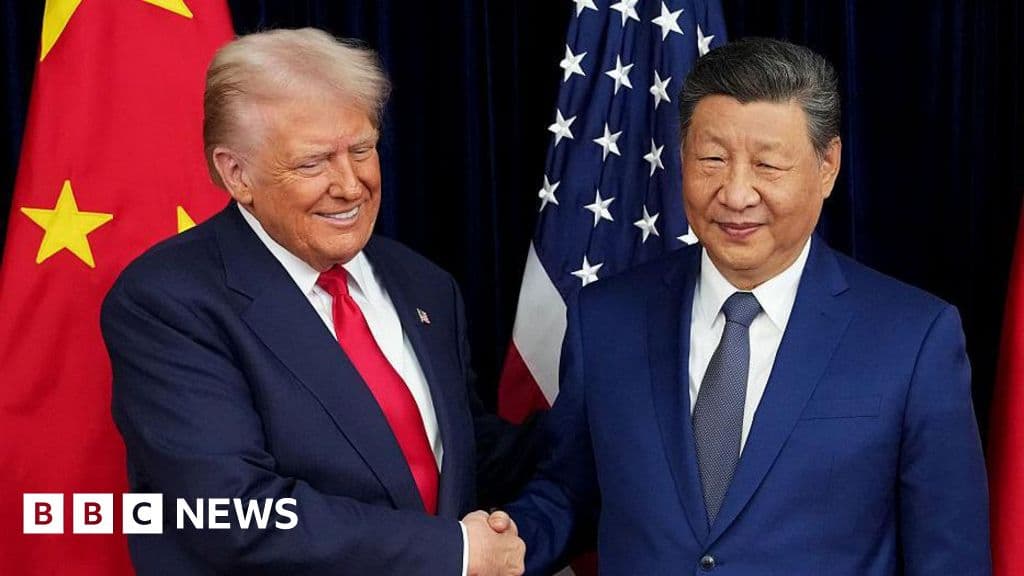
Trump arrives in Beijing for high-stakes talks with Xi Jinping
Trump landed in Beijing as tariff pressure, Taiwan risks and a fragile rare-earth truce hang over his first China trip in nearly nine years.
Tariffs, Taiwan and the future of a fragile critical-minerals truce were on the table as Donald Trump landed in Beijing for talks with Xi Jinping, a meeting both governments cast as a chance to steady relations between the world’s two biggest economies. Trump arrived on Wednesday evening for a three-day state visit at Xi’s invitation, his first trip to China in his second term and the first by a U.S. president in almost nine years.
The leaders were expected to meet Thursday and Friday, more than six months after their last face-to-face encounter on the sidelines of the APEC summit in Busan, South Korea, in October 2025. Chinese officials said the two men would exchange views on major issues in bilateral relations and on world peace and development, while the White House framed the trip as an effort to rebalance the relationship and push reciprocity and fairness.
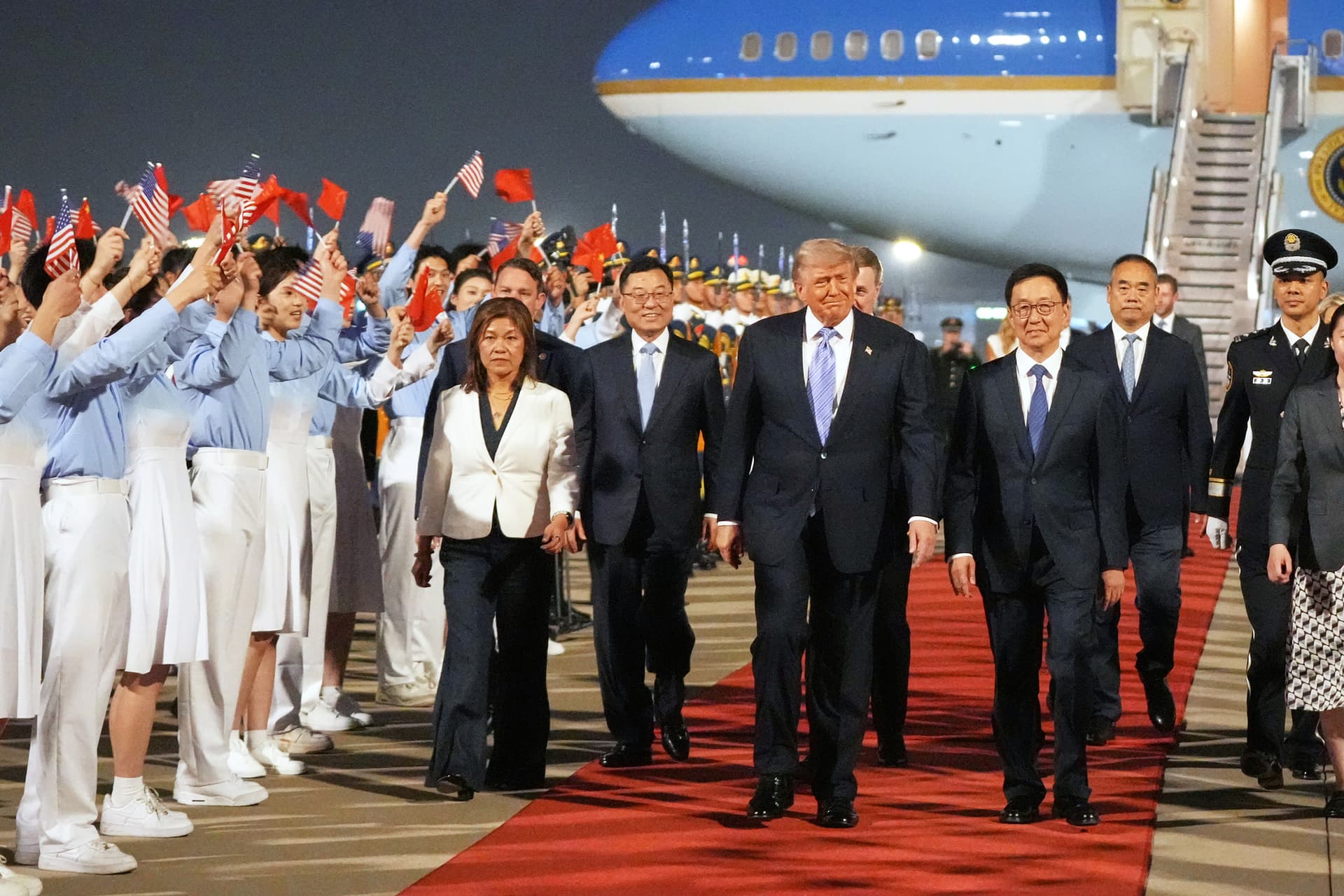
The agenda was broad and combustible. U.S. officials said Trump and Xi were expected to discuss Iran, Taiwan, artificial intelligence, nuclear weapons, trade, tariffs and critical minerals, including whether to extend a trade truce that has helped keep rare-earth flows moving from China to the U.S. Beijing also signaled possible announcements tied to Boeing aircraft, American agriculture and energy, though any Board of Trade or Board of Investment arrangement would still need follow-up work before it could be put into effect.
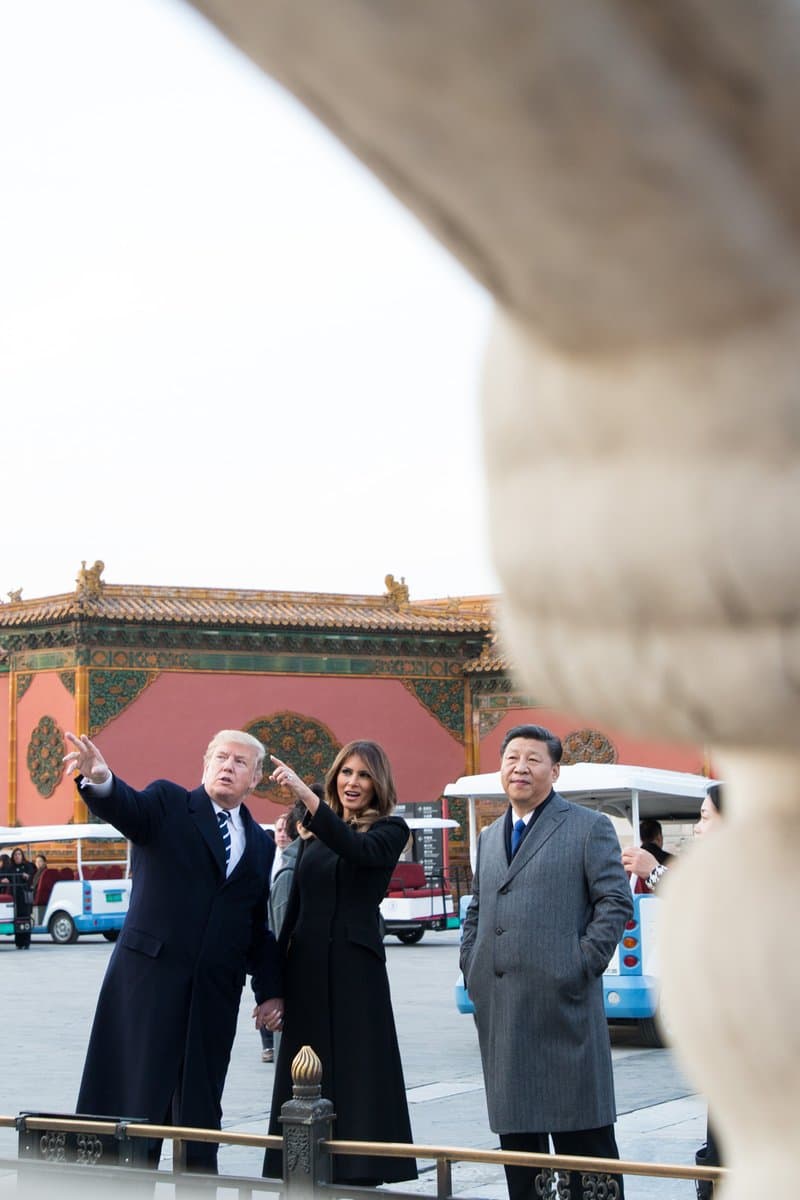
The contrast with Trump’s last China trip was stark. From November 8 to 10, 2017, China staged a lavish welcome that included a state dinner inside the Forbidden City, an honor not given to a U.S. president since 1949. That visit produced nearly a quarter-trillion dollars in commercial deals, including a reported $38 billion Boeing-China aviation agreement and a $43 billion Alaska gas-related memorandum, but analysts noted that many of the agreements were nonbinding and did little to narrow the U.S. trade deficit.
This time, expectations were far more restrained. The relationship has been strained by trade disputes, the Iran war, worries over dual-use goods, tensions over Russia and recurring military friction. Both sides still have incentives to avoid escalation, but the more likely outcome in Beijing was not a grand reset, only a narrow effort to keep the channels open and prevent the rivalry from spilling further into supply chains, security and global markets.
Know something we missed? Have a correction or additional information?
Submit a Tip