Trump auto tariff hike could cost Germany nearly 15 billion euros
Germany’s auto sector could lose nearly 15 billion euros as Trump raises EU car and truck tariffs to 25%, with U.S. plants and consumers likely to feel the shock too.
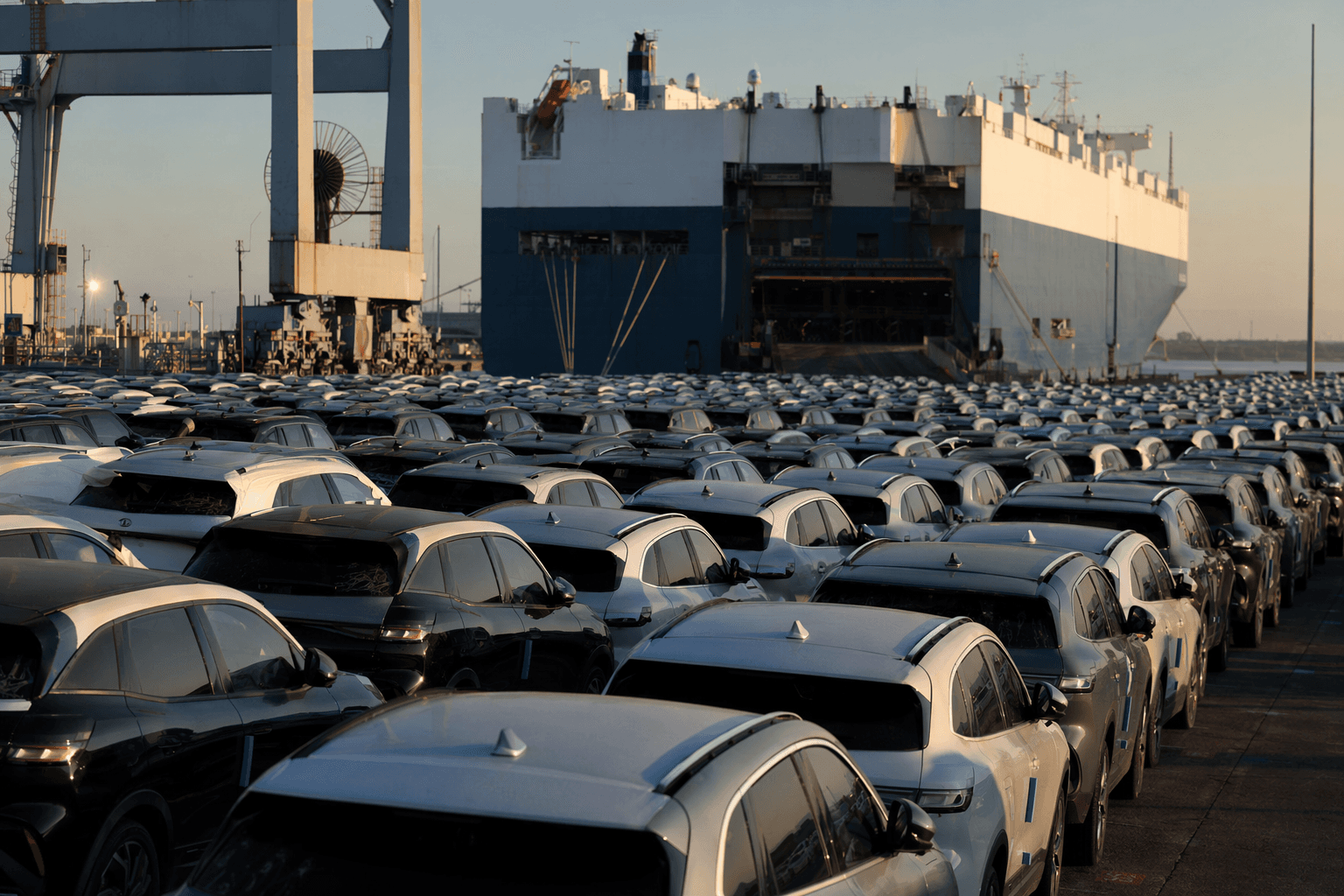
Donald Trump’s decision to lift tariffs on European cars and trucks to 25% could drain nearly 15 billion euros from Germany’s economy and hit one of Europe’s most export-dependent industries at a moment of weak growth. The Kiel Institute for the World Economy said the damage would fall hardest on Germany’s automotive sector, with losses potentially widening to about 30 billion euros over the longer term.
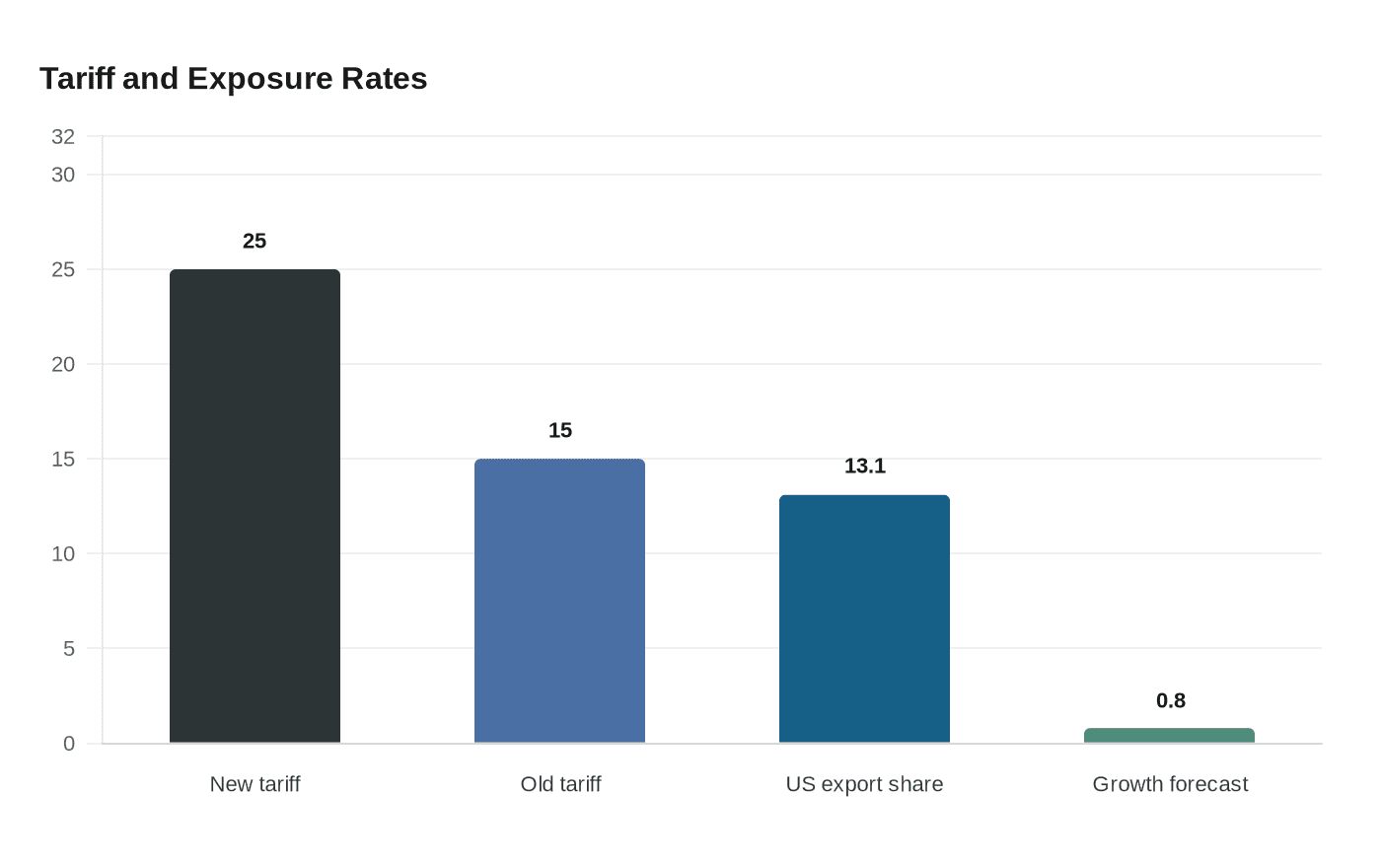
The tariff increase would reverse the 15% rate negotiated under the Turnberry Deal with European Commission President Ursula von der Leyen and turn a narrow trade dispute into a broader test of transatlantic leverage. Trump said he would raise the duty from the current level next week, arguing that the European Union had not complied with its trade deal with Washington. For Berlin and Brussels, that raises the stakes well beyond carmakers, threatening confidence in a relationship that underpins billions in trade.
Germany has the clearest exposure. Its automotive industry exported goods worth 279.8 billion euros in 2024, and the United States accounted for 13.1% of that export value. German manufacturers also maintain 2,110 locations in the United States, a footprint that ties the country’s biggest exporters directly to American workers, suppliers and plants. With Germany’s growth forecast at just 0.8% this year, even a modest shock to auto output could weigh on investment, employment and political confidence.
The wider European damage would not stop at Germany’s borders. The Kiel Institute said Italy, Slovakia and Sweden could also absorb meaningful losses, reflecting how deeply auto supply chains run across the continent. Bernd Lange, who chairs the European Parliament’s trade committee, said Trump’s move showed the United States to be an unreliable trading partner, sharpening political pressure on Brussels as leaders weigh their response.
The risk is not abstract. A February 2025 survey from the German automotive association VDA found that 32% of suppliers and manufacturers expected direct tariff effects, while 54% expected indirect fallout through customers and suppliers. Earlier tariff rounds already showed how fast the pain can spread: German car exports to the United States fell 13% in April and 25% in May last year after tariffs were imposed, totaling 64,300 vehicles over those two months. For U.S. consumers, that history points to higher prices and fewer choices; for American manufacturers with German ties, it suggests a new round of costs and disruption if the tariff hike takes effect.
This article was produced by Prism’s automated news system from verified source data, official records, and press releases, then run through automated quality and moderation checks before publishing. The system is built and supervised by the people who set the standards it runs under. Read our full AI policy.
Did this article answer your question?

