Trump backs UAE’s OPEC exit, says it could lower gas prices
Trump hailed the UAE’s OPEC exit as “great” as the Gulf producer left the cartel, raising new questions about oil prices and Saudi Arabia’s grip.
Gasoline prices, crude supply coordination and U.S. energy politics were all on the line as Donald Trump backed the United Arab Emirates’ exit from OPEC, calling the move “great” and saying it could help bring down oil and gas prices. The UAE left the cartel on May 1 and also exited OPEC+, a shift that immediately tested whether the group’s leverage was truly fading or simply being reshaped.
The UAE was OPEC’s third-largest oil producer, behind Saudi Arabia and Iraq, and its role in the group dated back to Abu Dhabi’s membership in 1967, seven years after OPEC was founded in Vienna, Austria. Suhail Al Mazrouei, the UAE’s energy minister, said the timing was chosen to have the minimum impact on fellow producers and on prices, while the UAE said the departure was in its national interest and that it remained committed to market stability. The country is aiming for 5 million barrels per day of production capacity by 2027, a target that helps explain why more room to maneuver mattered.
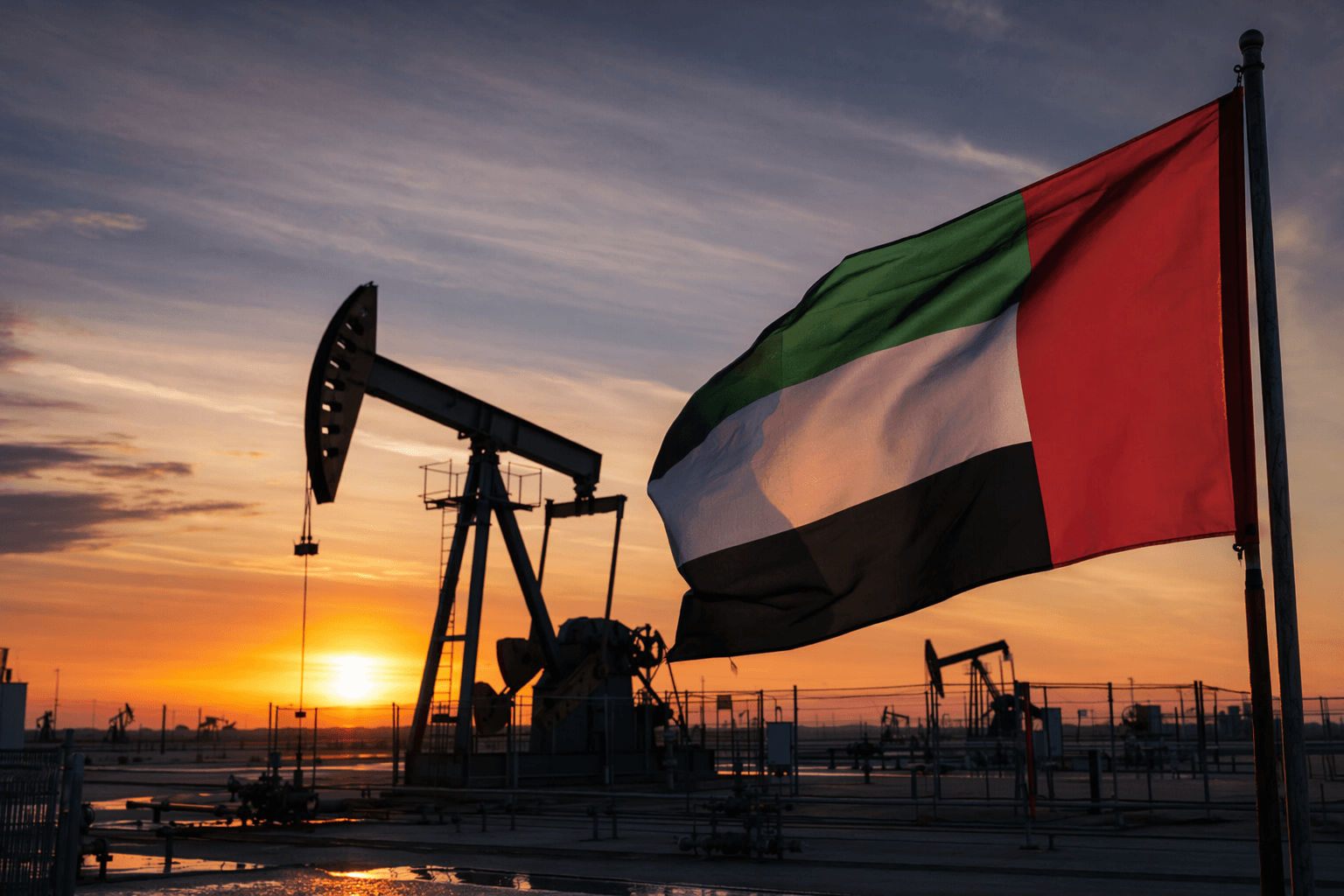
The break exposed long-running friction with Saudi Arabia over production quotas, tensions that Reuters-based reporting said had built for years before becoming public. That matters because the UAE was not just another member. It was a major counterweight to Saudi Arabia inside a cartel that has historically relied on discipline, bargaining and shared restraint to steer prices. Without Abu Dhabi, OPEC’s remaining 11 members controlled a smaller share of global supply than they have in decades, and the group’s ability to project unified power looked more fragile.
The strategic backdrop was also harsher than in a normal quota dispute. Iran’s missile and drone attacks on the UAE, plus repeated disruptions around the Strait of Hormuz, had already made export routes and market stability more uncertain. The Council on Foreign Relations said OPEC countries supplied more than a quarter of global oil before the Iran war, but that share has been eroded as the United States and other nonmembers expanded output. In that sense, the UAE’s exit looked less like a single-country protest than part of a longer trend: OPEC still matters, but its influence now depends more on selective coordination than on the old discipline that once defined the cartel.
This article was produced by Prism’s automated news system from verified source data, official records, and press releases, then run through automated quality and moderation checks before publishing. The system is built and supervised by the people who set the standards it runs under. Read our full AI policy.
Did this article answer your question?
%3Amax_bytes(150000)%3Astrip_icc()%2FCertificate-of-deposit-2301f2164ceb4e91b100cb92aa6f868a.jpg&w=1920&q=75)