Trump blames Iran war as inflation jumps to 4.2% in May
Families faced the fastest inflation in three years as May CPI rose 4.2%, with energy driving most of the monthly increase and Trump blaming the Iran war.
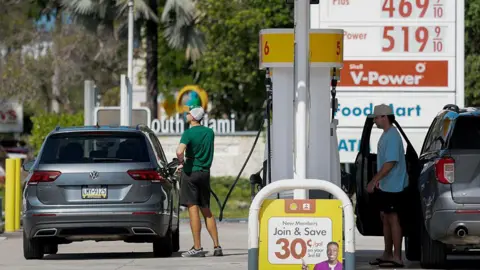
Households were hit with another round of higher prices in May, and the pain was concentrated where consumers feel it fastest: at the gas pump. The Consumer Price Index rose 4.2% from a year earlier, the fastest annual pace in three years and the first reading above 4% since 2023, while prices climbed 0.5% from April after a 0.6% increase the month before.
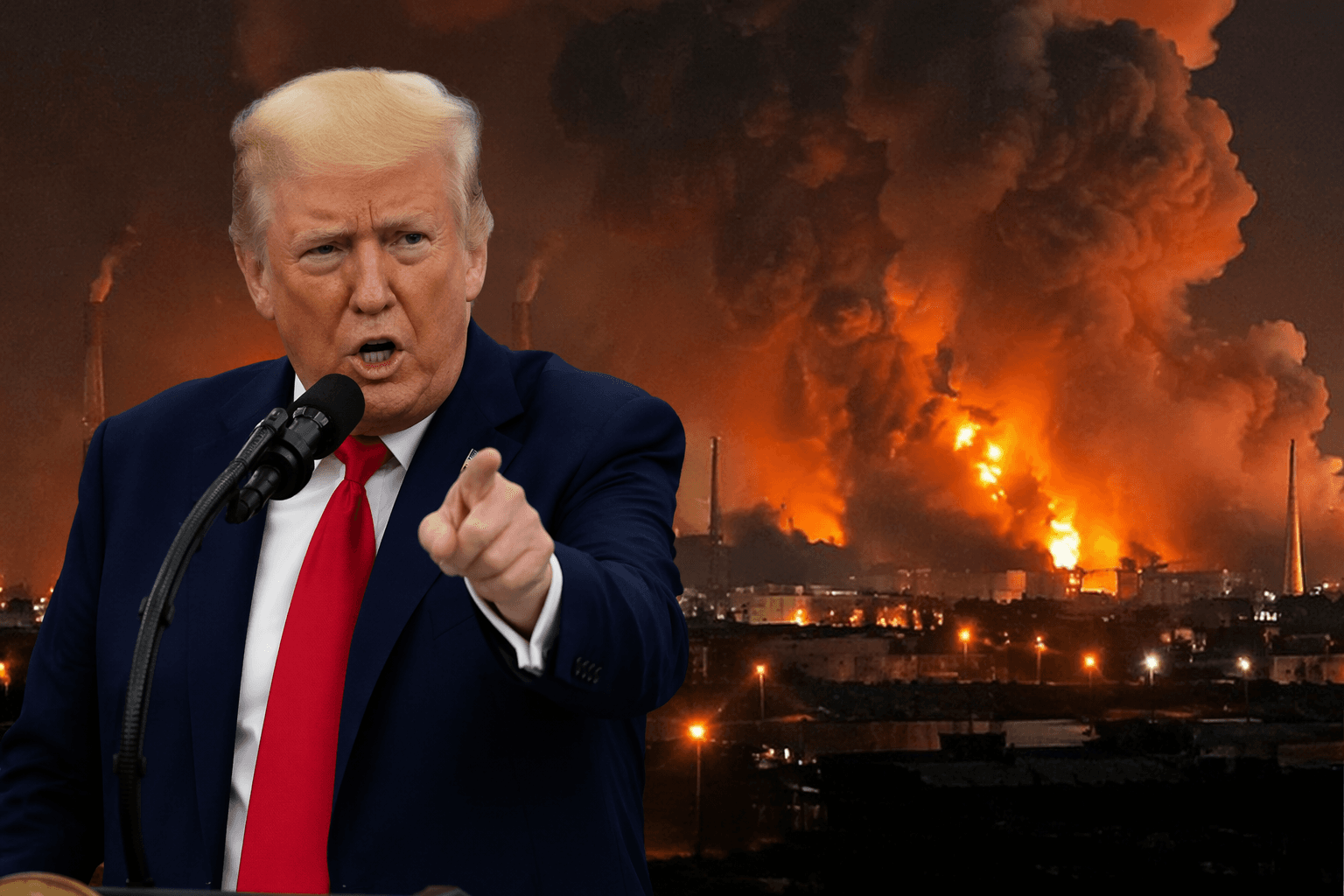
President Donald Trump responded to the inflation report by saying, “I love the inflation,” then argued that prices would come down “like a rock” once the war with Iran ends. His message linked the latest price spike to the conflict in the Middle East rather than to a broader inflation problem, even as consumers continue to absorb higher costs in daily life.
The Bureau of Labor Statistics said energy prices rose 3.9% in May and accounted for more than 60% of the monthly increase. Gasoline was a major driver of the jump, underscoring how quickly war-related pressure can reach American wallets through fuel costs. By contrast, core CPI, which strips out food and energy, rose 0.2% on the month and 2.9% from a year earlier, a sign that the surge was driven more by energy than by a broad reacceleration across the economy.
That distinction matters politically as much as economically. Trump campaigned in 2024 on bringing inflation down quickly, and the new reading complicates that promise just as voters heading toward November’s midterm elections continue to rank the economy among their top concerns. A president appearing to shrug off a fresh inflation spike may do little to steady anxious consumers, especially when the fastest price increases are showing up in something as visible as gasoline.
The Federal Reserve is also treating the conflict-driven price shock as potentially temporary. New York Fed President John Williams said on June 3 that he did not expect the inflation risks tied to the Middle East war to last long and saw no need to change monetary policy at that time. For now, the burden is landing on consumers first, while policymakers watch whether energy markets calm down before the higher costs spread further.
This article was produced by Prism’s automated news system from verified source data, official records, and press releases, then run through automated quality and moderation checks before publishing. The system is built and supervised by the people who set the standards it runs under. Read our full AI policy.
Know something we missed? Have a correction or additional information?
Submit a Tip