Trump blames Minnesota governor for cyberattacks on water systems
Trump blamed Minnesota for a cyberattack on more than 30 water systems even as investigators probed Iranian links and said no drinking water had been made unsafe.

President Donald Trump said Friday he did not believe Iran was behind the cyberattack on Minnesota water systems and instead blamed the state, saying, "I blame it on Minnesota because they're grossly incompetent." The attack hit more than 30 community water systems on July 26 and 27, and Minnesota IT Services said it affected the operational technology that utilities use to run treatment plants.
Minnesota IT Services first disclosed the coordinated cyberattack on July 28, after state officials traced disruption across local water systems in communities around the state. The New York Times reported that investigators later believed the incident was probably the work of Iranian hackers, but treated that view as preliminary, and there were no indications that any water supply had been rendered unsafe to drink.
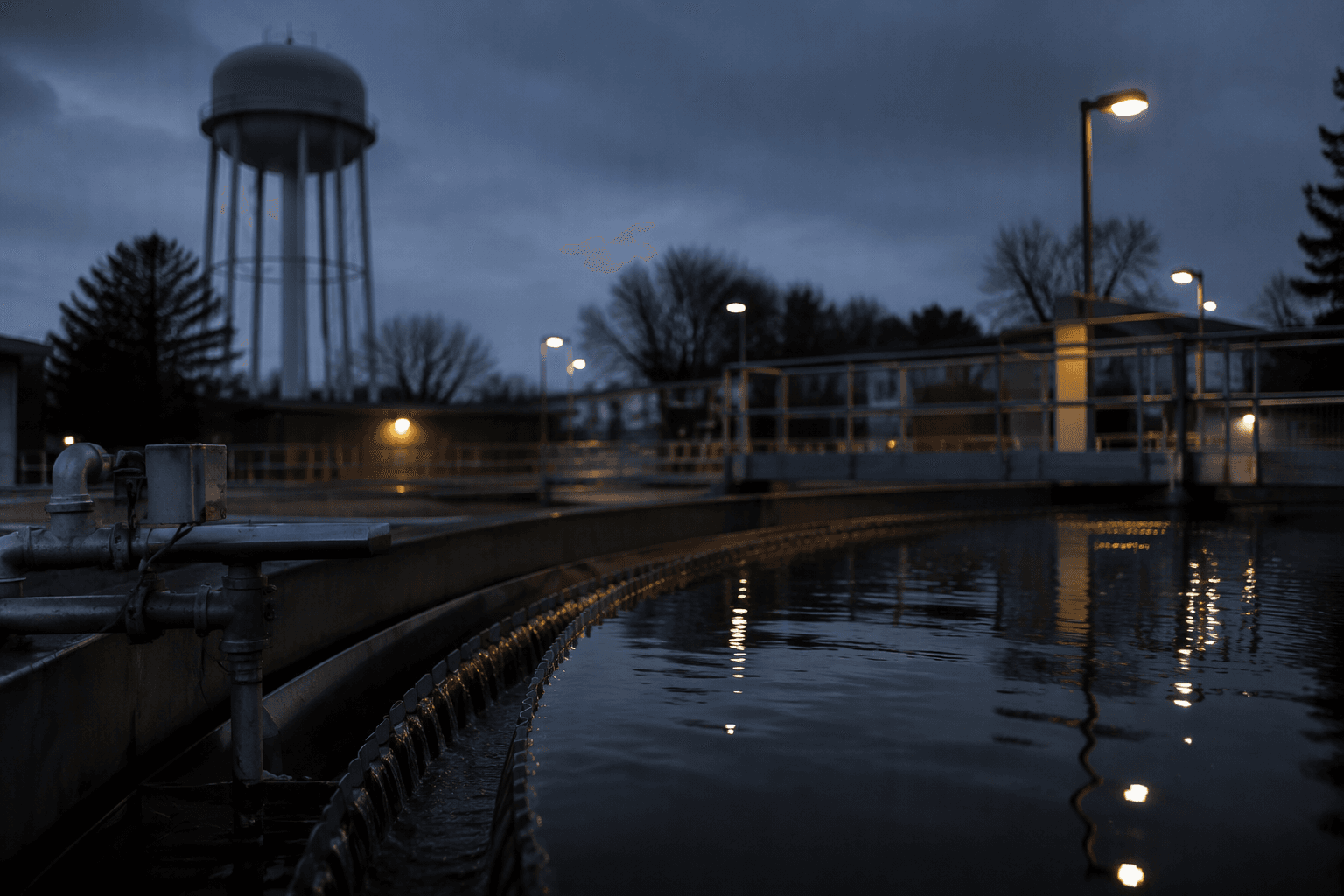
The FBI was investigating possible ties between Iran and the Minnesota breach, while federal and state authorities were also examining whether hackers associated with Iran were behind it. The federal government issued a warning to local water systems after the incident, an acknowledgment that the threat was not isolated to one utility or one county. NBC News also reported that hackers targeted municipal water systems in seven states that week, putting the Minnesota case inside a wider run of attacks on drinking-water infrastructure.
The scale of the Minnesota breach also fit a larger record of weak defenses across the sector. The Trump administration's EPA said it found vulnerabilities at 277 water systems in 2025 and helped correct 350 security weaknesses, a tally that underscored how many small and mid-sized utilities still depend on fragile operational technology and limited cybersecurity staff. In Minnesota, the attack became less a partisan talking point than a test of whether state, federal and local agencies can harden water plants before the next intrusion hits.
This article was produced by Prism’s automated news system from verified source data, official records, and press releases, then run through automated quality and moderation checks before publishing. The system is built and supervised by the people who set the standards it runs under. Read our full AI policy.
Did this article answer your question?