Colorado River plan would sharply cut water for three states
Arizona, California and Nevada already added 700,000 acre-feet of conservation, and federal rules now point to even deeper dry-year cuts.
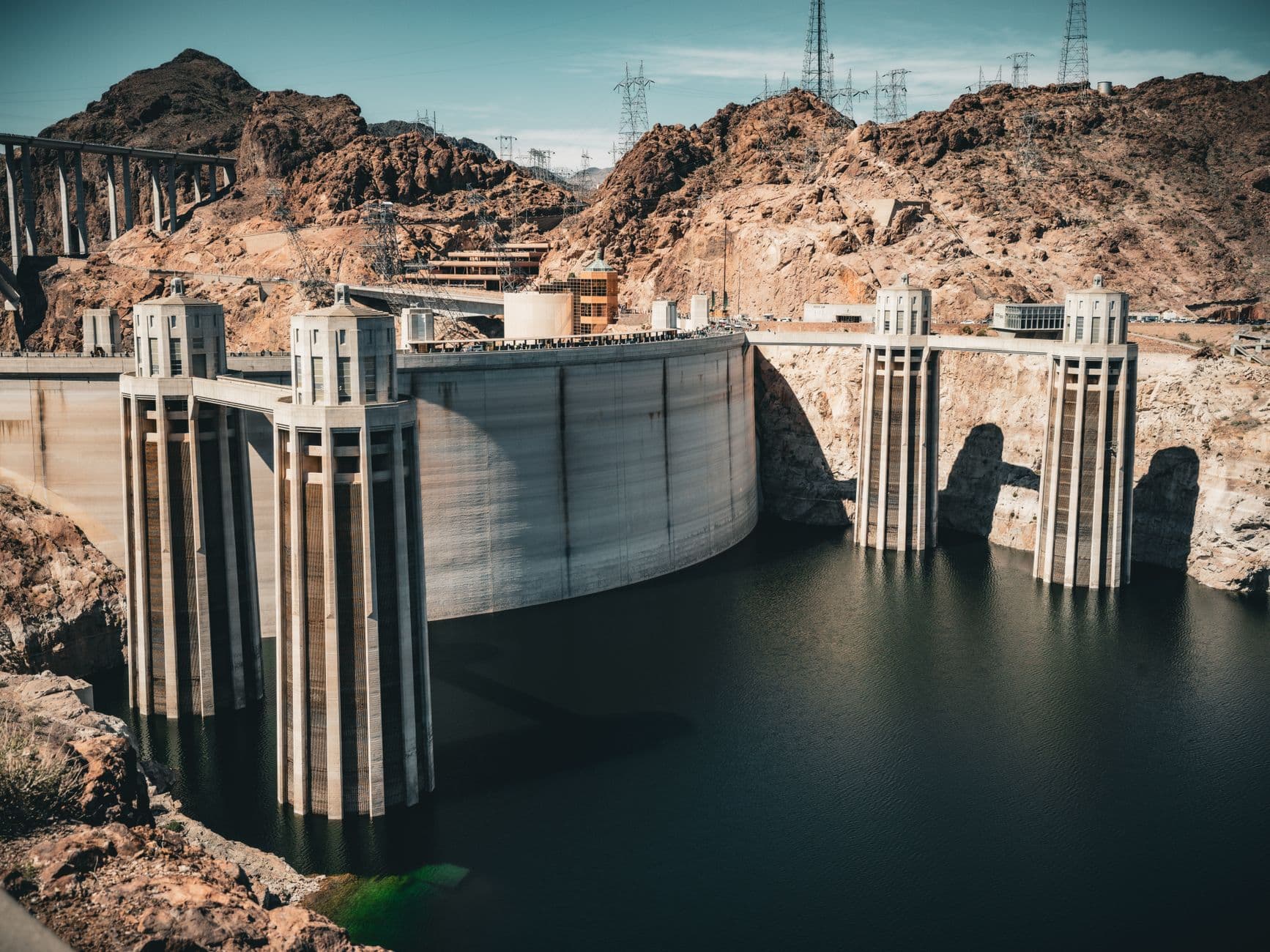
The Bureau of Reclamation released its final environmental impact statement for post-2026 Colorado River operations, setting up a new round of cuts for Arizona, California and Nevada in dry years. The notice covers Lake Powell and Lake Mead, two reservoirs that anchor the system as the 2007 Colorado River Interim Guidelines approach their expiration at the end of 2026.
The federal record comes after more than four years of input from stakeholders and the public, including consultations with Basin states and tribes. It follows a long sequence of virtual meetings, scoping, draft planning and negotiations over who gives up water first when the river runs short.
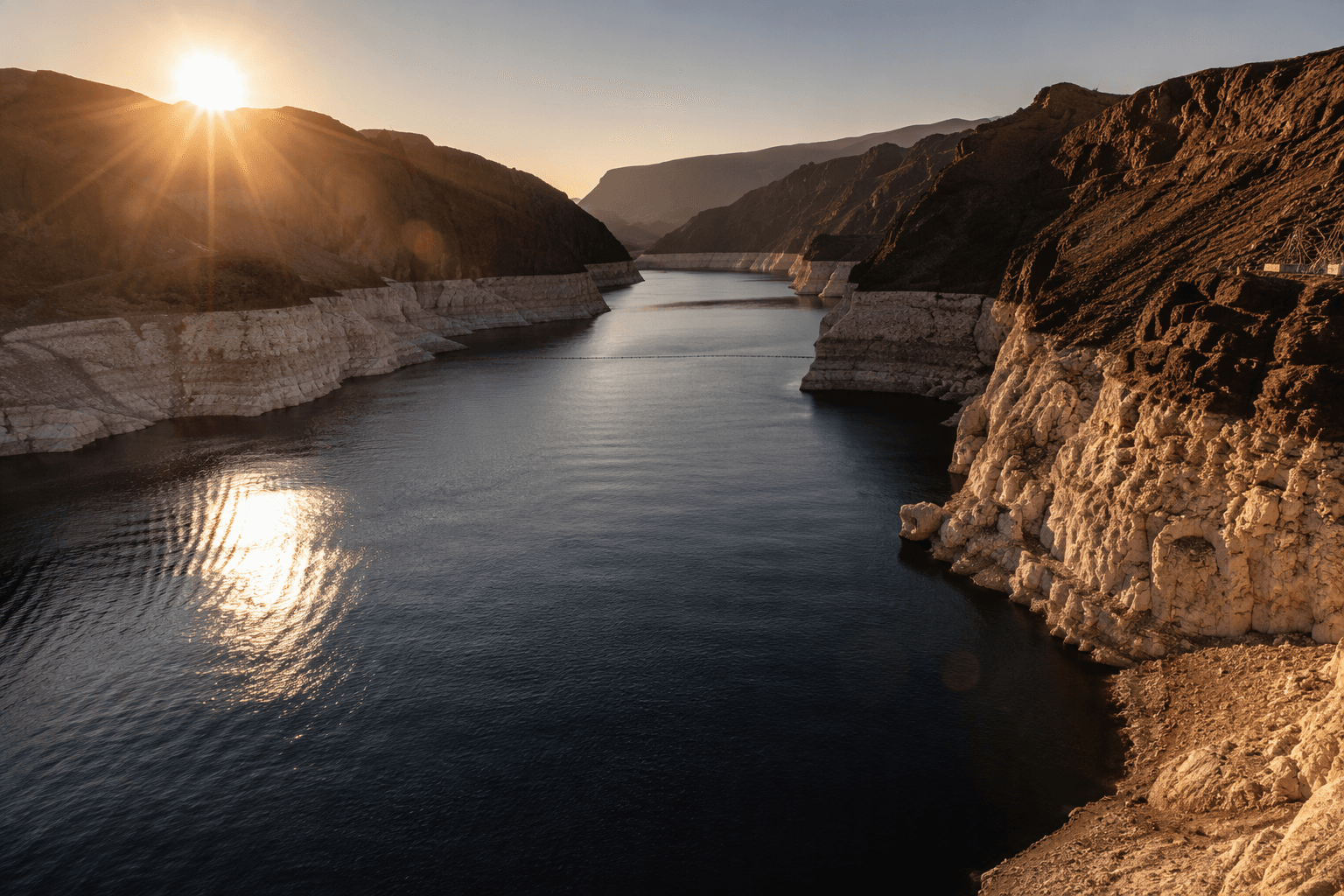
The Lower Basin states have already moved to surrender more water. In May 2026, Arizona, California and Nevada advanced a plan to deliver more than 3.2 million acre-feet through 2028, adding at least 700,000 acre-feet of conservation on top of the 1.25 million acre-feet in annual Lower Basin reductions they had proposed earlier. A separate proposal from the three states went to the Interior Department in February 2025, and the states had already put forward a new post-2026 approach in March 2024, a sign of how much bargaining still surrounded the federal process.
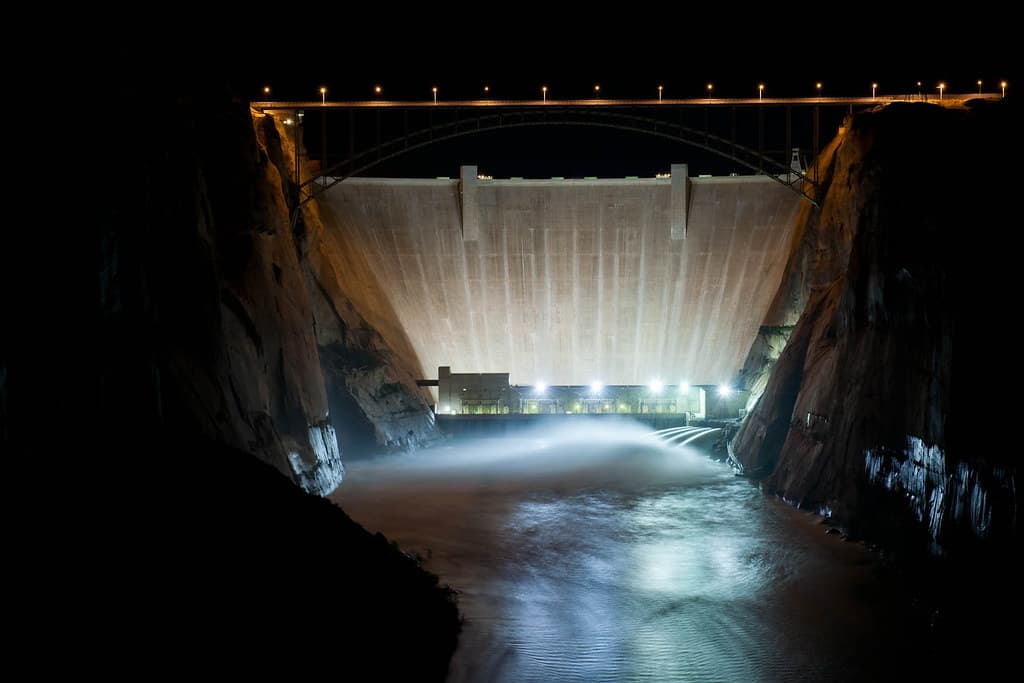
The stakes extend far beyond one set of reservoir rules. The Colorado River Basin stretches across about 250,000 square miles and runs roughly 1,400 miles through seven U.S. states and Mexico. Stanford Water Programs says the basin supplies water to up to 40 million people and five million acres of farmland, including up to 30 federally recognized Native American tribes. Reclamation says the river underpins municipal, agricultural, environmental, cultural and hydropower uses, and that prolonged drought and future uncertainty have put those resources at significant risk.
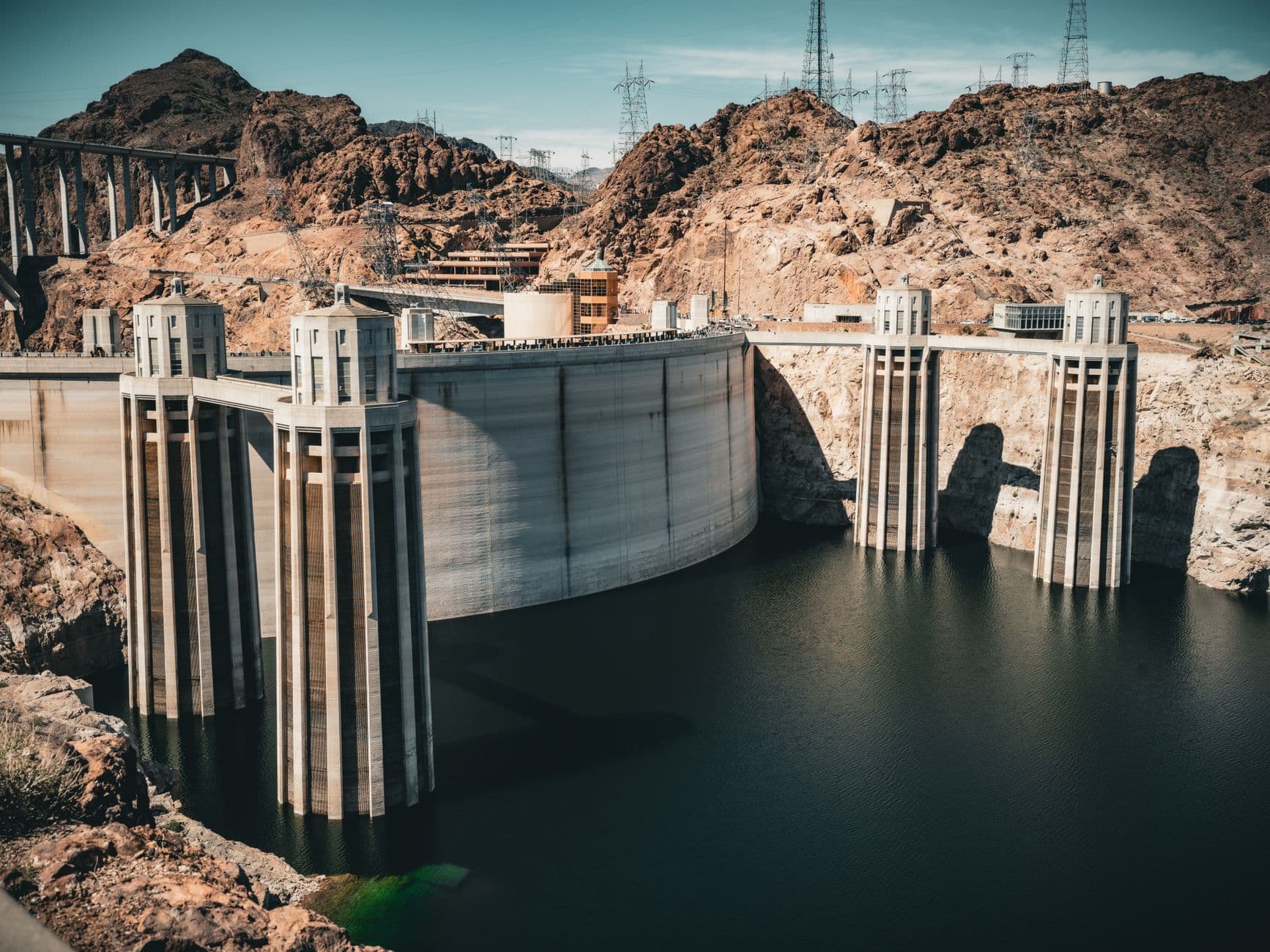
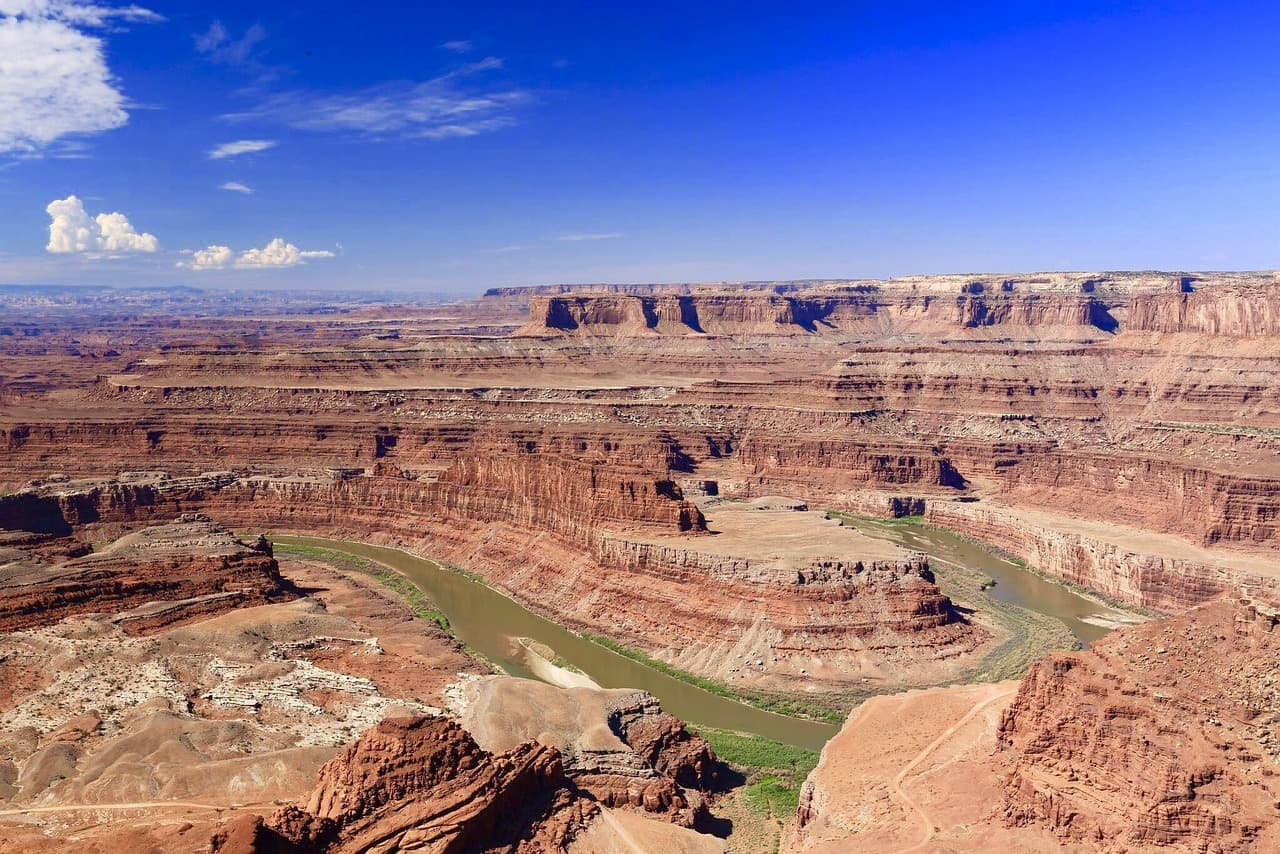
That is why the deeper cuts embedded in the federal plan matter for households, farms and city growth across the Southwest. When Lake Powell and Lake Mead fall, the consequences are not abstract: they determine how much water reaches taps, how much land stays irrigated and how much room remains for expanding cities in Arizona, California and Nevada. The legal and political fight over the final rules is likely to sharpen now that the government has put its preferred framework on the table.
This article was produced by Prism’s automated news system from verified source data, official records, and press releases, then run through automated quality and moderation checks before publishing. The system is built and supervised by the people who set the standards it runs under. Read our full AI policy.
Did this article answer your question?