Marine Corps F-35 crashes at Miramar, pilot ejects safely
A Marine Corps F-35B crashed at Miramar after the pilot ejected and was taken to a medical facility. Heavy smoke and multiple responders marked the Class A mishap at the San Diego base.
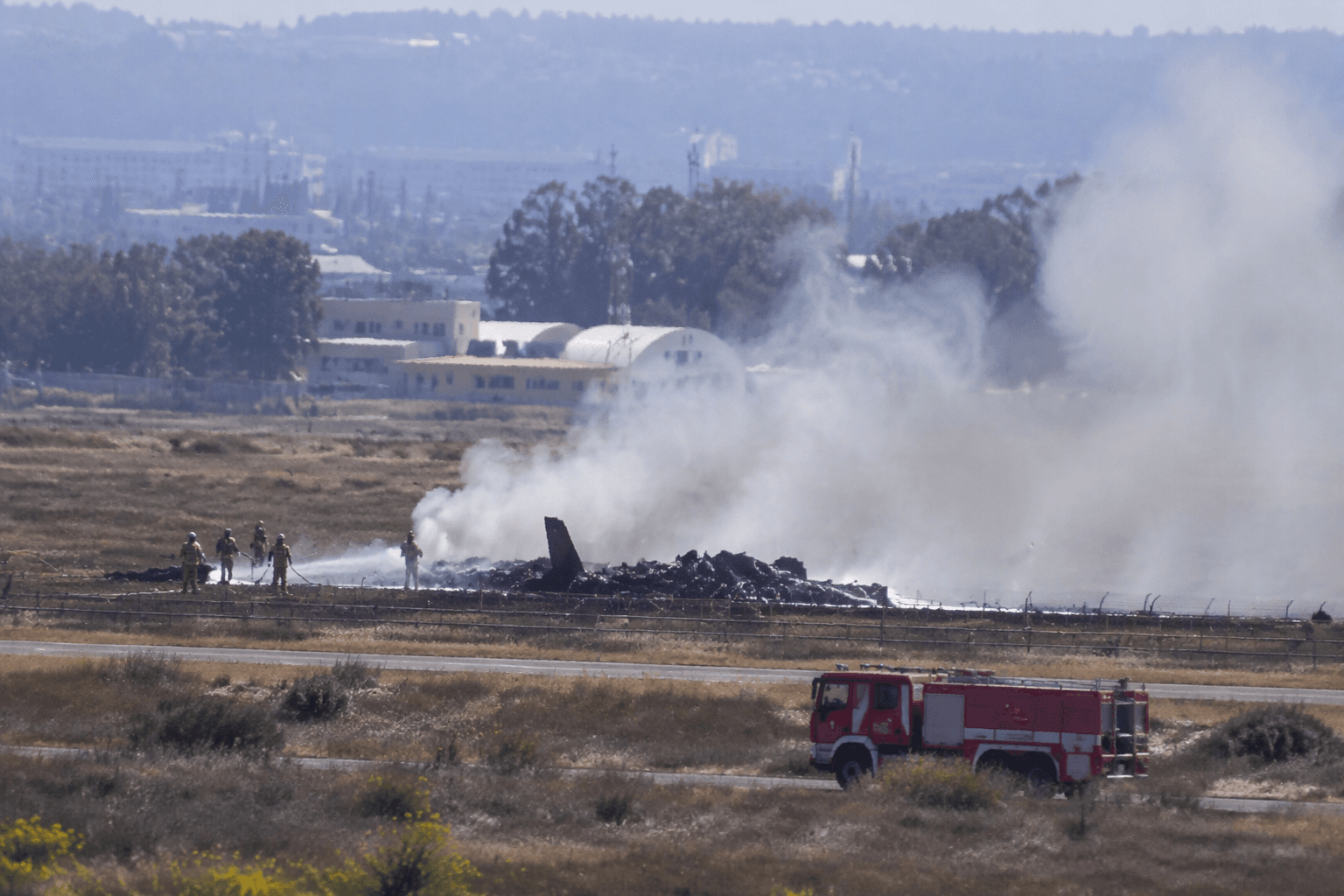
A Marine Corps F-35B Lightning II crashed at Marine Corps Air Station Miramar in San Diego, and the pilot ejected before impact and was recovered alive. The Marine Corps said the pilot was transported to a medical facility after the crash, which occurred on Friday, July 31, 2026.
Heavy smoke rose from the scene, and multiple responders and vehicles were seen at the base as emergency crews converged on the area. One report placed the incident at around 10 a.m. near the air station, where scorched vegetation could be seen next to the smoking wreckage. The aircraft was associated with Marine Aircraft Group 11, and one report identified the pilot as being from MAG-11.
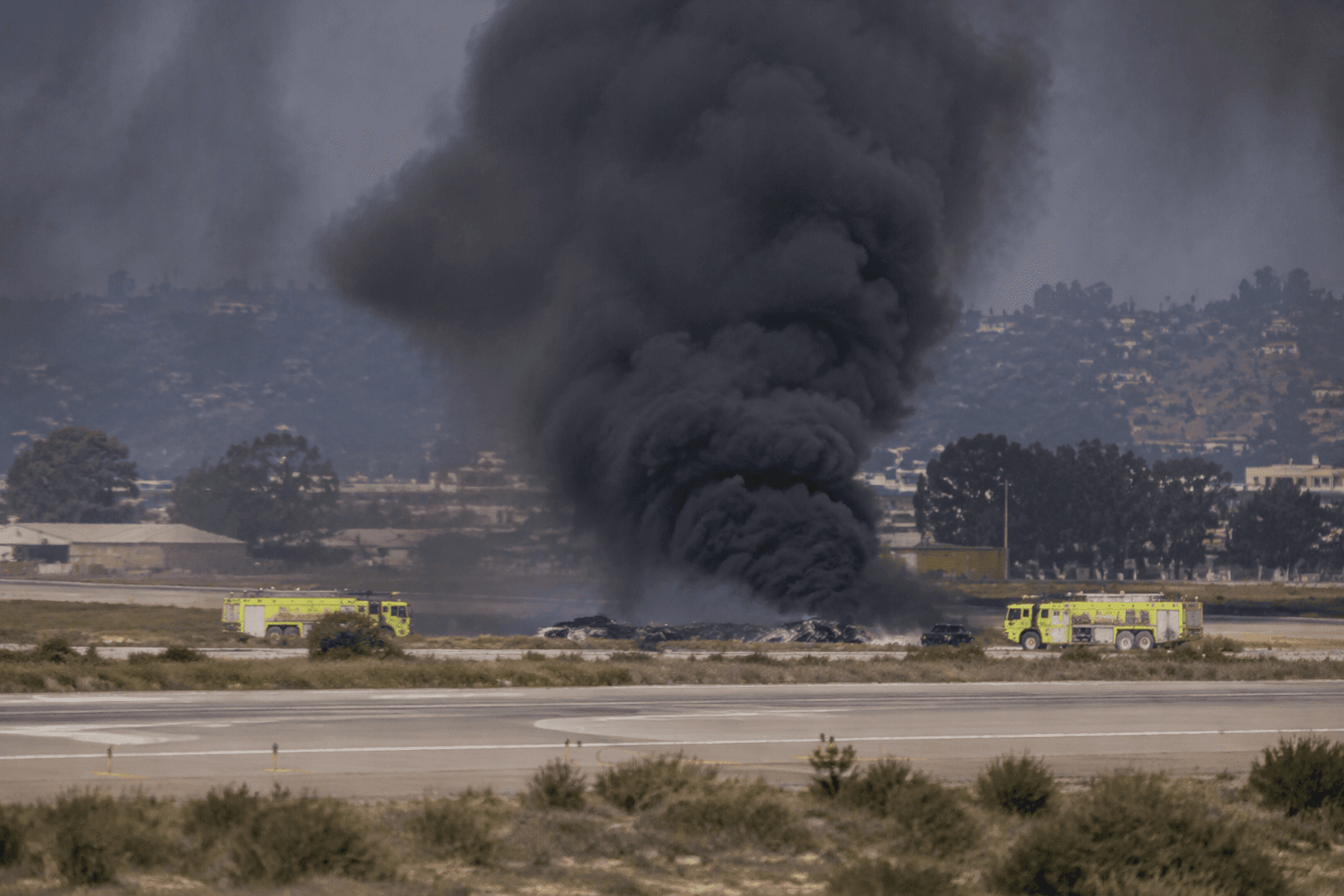
The Marine Corps described the incident as a Class A mishap, the service’s most serious category. That designation is reserved for events in which damage exceeds $2 million, a military aircraft is destroyed, or a service member dies. In practical terms, the classification puts the crash in the highest tier of accountability and safety review for the service.
The crash also lands inside a broader pattern of F-35 mishaps that has kept the stealth fighter under scrutiny across the Marine Corps and Air Force in recent years. The Marine Corps has previously investigated F-35 mishaps as Class A events, underscoring how costly and disruptive even a single loss can be for a fleet built around a small number of highly capable aircraft.
For Miramar, a major Marine aviation base in San Diego, the immediate issue is readiness as much as recovery. The F-35B is the Marine Corps version of the stealth fighter and is designed for short takeoff and vertical landing, making it central to Marine expeditionary aviation. Any crash that removes one of those aircraft from service can ripple through training, maintenance planning, and unit availability while investigators work through what went wrong.
The visible smoke, the emergency response, and the destruction of a front-line fighter also carry a public-safety edge for a base surrounded by a densely populated region. Even when a pilot gets out safely, a Class A mishap at Miramar puts pressure on the Corps to explain the failure, account for the aircraft, and show that flight operations around one of its largest aviation hubs remain controlled.
This article was produced by Prism’s automated news system from verified source data, official records, and press releases, then run through automated quality and moderation checks before publishing. The system is built and supervised by the people who set the standards it runs under. Read our full AI policy.
Did this article answer your question?