Trump cancels U.S. envoys’ Pakistan trip as Iran talks stall
Trump pulled Witkoff and Kushner out of a planned Pakistan stop after Iran said no meeting was on the table, jolting a fragile backchannel.
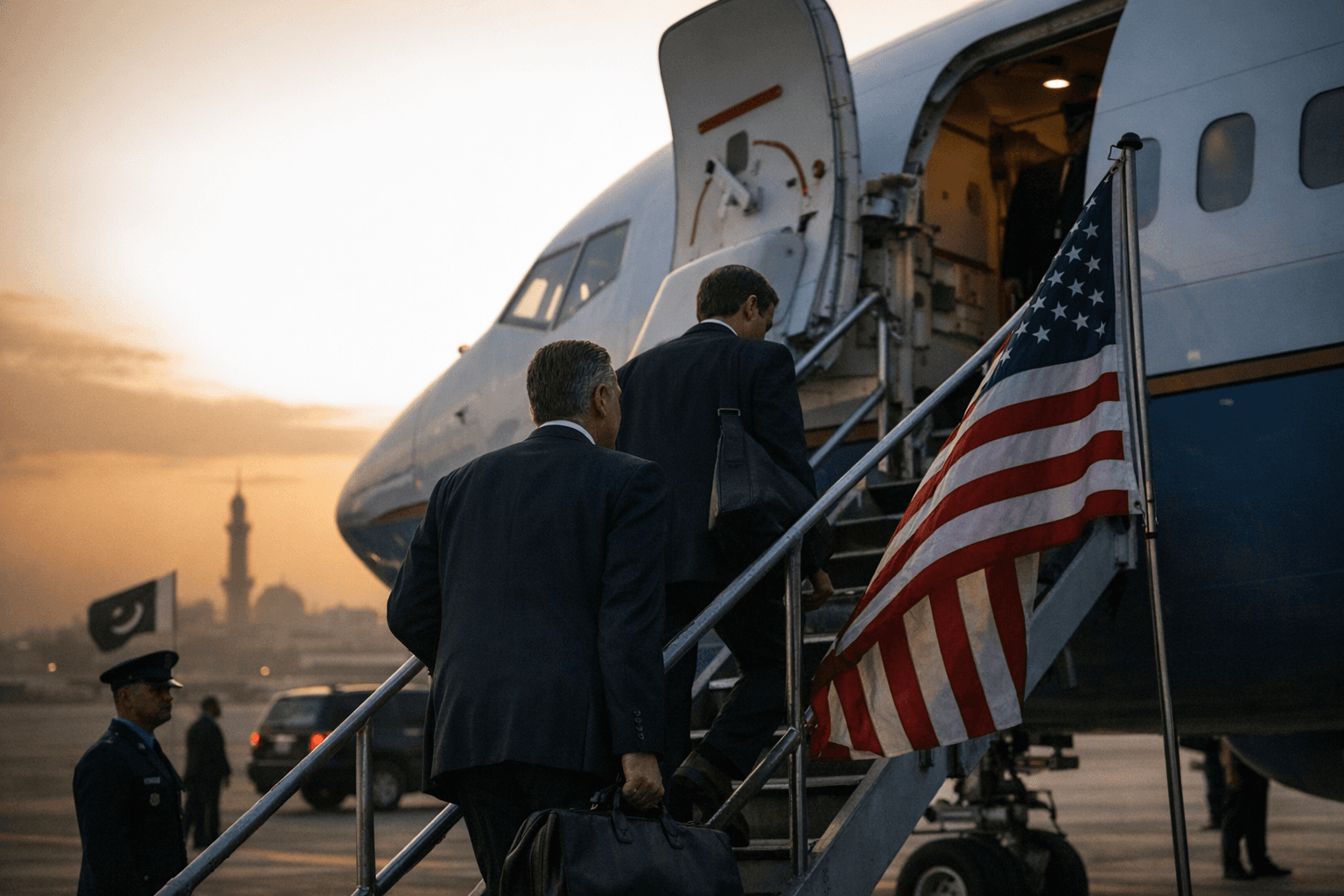
Trump abruptly canceled a planned trip to Islamabad by Steve Witkoff and Jared Kushner after Iran signaled that no meeting with U.S. representatives was set to happen, a move that threw Pakistan’s role as an intermediary into doubt just as the Iran channel was supposed to widen. Before the cancellation, Iranian Foreign Minister Abbas Araghchi had met Pakistan’s military chief, Syed Asim Munir, in Islamabad and then left the country.
The cancellation was more than a travel decision. It exposed how dependent the diplomacy had become on a narrow set of personal channels and how quickly that arrangement could collapse when Tehran and Washington were not aligned on the format. Pakistan had been positioned as the venue for direct contact, but Iranian officials said no meeting was planned, and U.S. negotiators were expected to fly in anyway before the trip was scrapped.
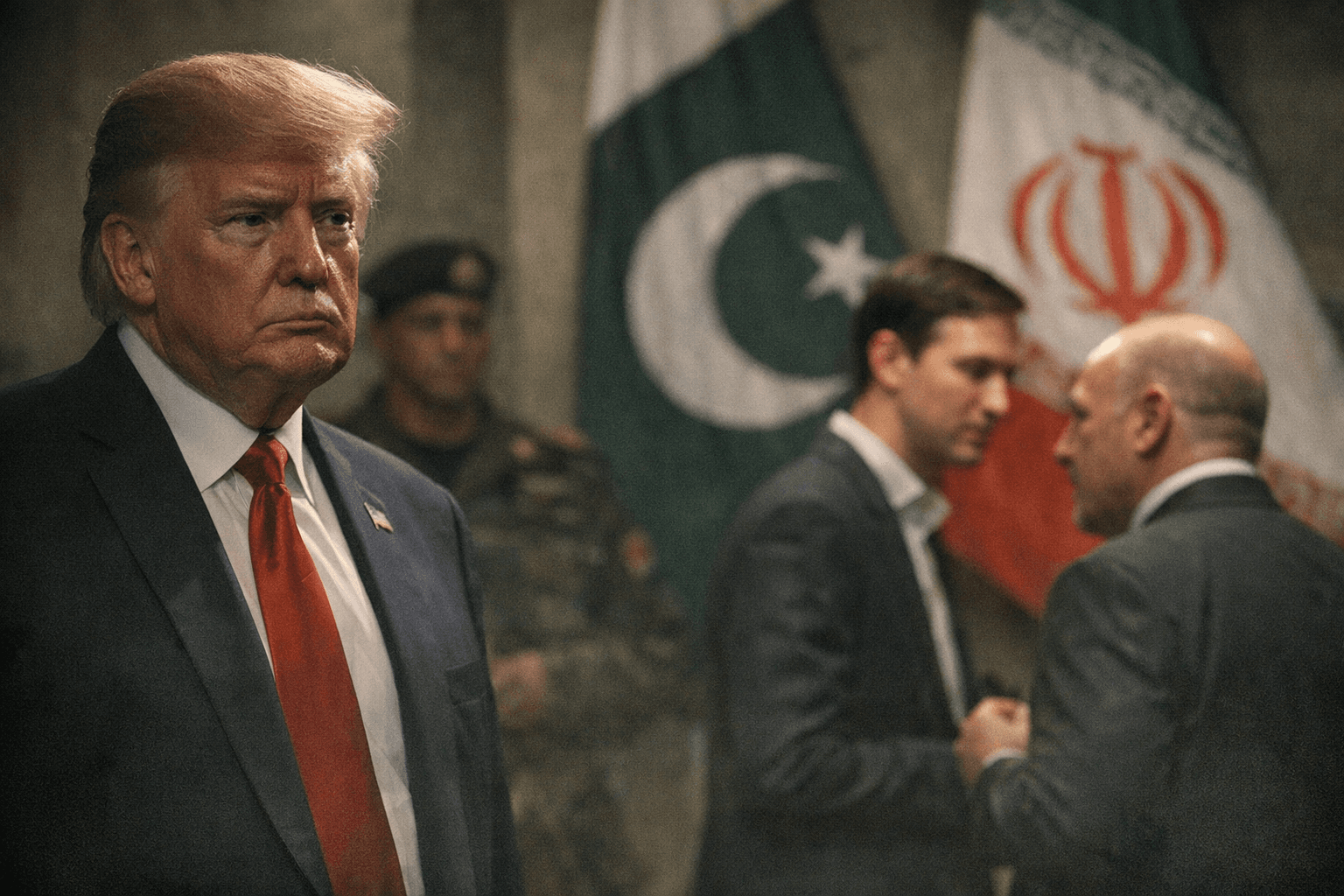
Trump’s own explanation pointed to pressure, not patience. He said there had been “too much time wasted on traveling” and “tremendous infighting and confusion” inside Iran’s leadership, adding that if Iran wanted to talk, “all they have to do is call.” That language signaled a harder U.S. posture, one that places the burden on Tehran to re-open the channel on Washington’s terms rather than on Pakistan’s mediation.
For Islamabad, the episode underscored both its value and its limits. Araghchi praised Pakistan’s “good offices,” and Iranian officials said Tehran’s concerns would be conveyed through mediator Pakistan. Yet the earlier round of talks in Islamabad, held two weeks ago, had already ended inconclusively even with Witkoff, Kushner, Vice President JD Vance, Araghchi and Iranian parliament speaker Mohammad Baqer Qalibaf in the process. That history suggests Pakistan can host and relay messages, but it cannot force agreement.
The immediate risk is that a broken itinerary becomes a broken channel. Iran said no direct talks were planned, the U.S. side had expected direct contact, and the cancellation leaves the ceasefire diplomacy more exposed to improvisation, public signaling and misread intentions. In a conflict that has killed thousands and roiled global markets, that kind of ambiguity narrows the margin for error.
Sources:
Know something we missed? Have a correction or additional information?
Submit a Tip