Trump Cites 1884 Native American Ruling to Justify Birthright Citizenship Limits
An 1884 ruling that rendered a Winnebago man stateless in his own homeland is now the Trump administration's primary legal weapon to end automatic birthright citizenship.
On April 5, 1880, an Omaha election official named Charles Wilkins refused to register a man called John Elk to vote. Wilkins identified Elk, believed to have been a member of what is now known as the Winnebago Tribe of Nebraska, by race and color. Elk had severed his tribal ties and argued he had willingly subjected himself to U.S. authority. Four years later, the Supreme Court sided with Wilkins.
That 1884 ruling, Elk v. Wilkins, is now the Trump administration's central legal precedent for ending automatic birthright citizenship for children born on U.S. soil to immigrant parents. The Supreme Court agreed on Dec. 5, 2025, to review the question in Trump v. Washington, an appeal to lift a federal-court injunction that has blocked enforcement since January 2025. Oral arguments are set for this week, with a ruling expected by the end of June.
The administration's January 2025 executive order removed citizenship recognition for U.S.-born children of both immigrants in the country illegally and visitors here only temporarily. The order is not retroactive. Under the administration's proposed rule, birthright citizenship would apply only to children with at least one parent who is a U.S. citizen or lawful permanent resident.
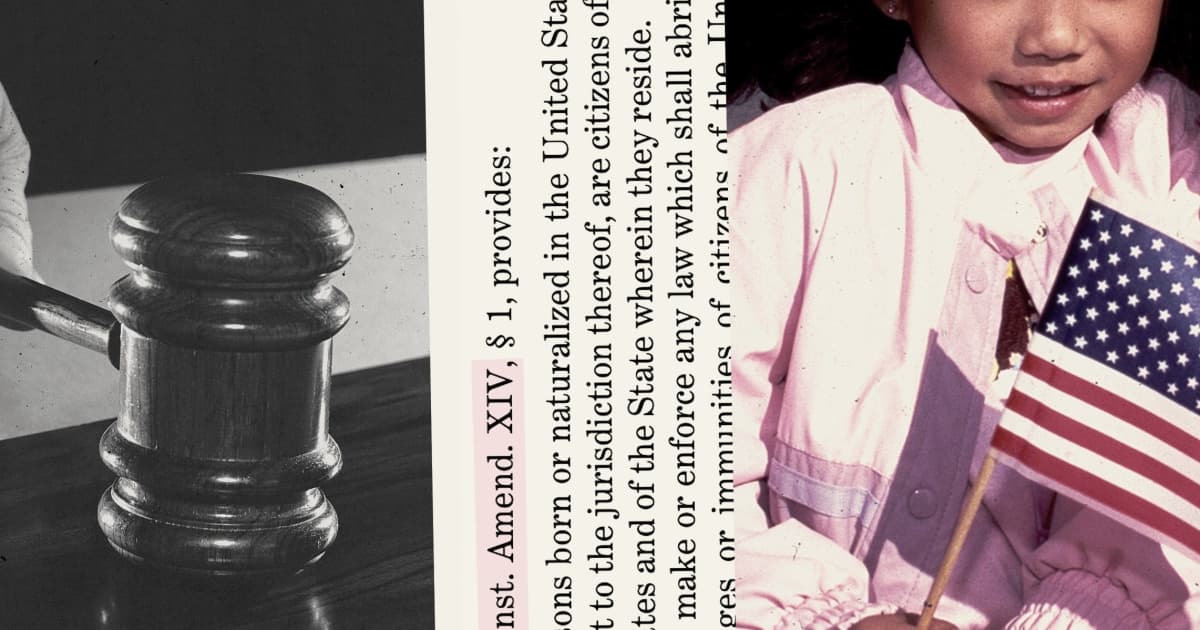
The constitutional question turns on six words inside the 14th Amendment's citizenship clause: "subject to the jurisdiction thereof." The full text reads: "All persons born or naturalized in the United States, and subject to the jurisdiction thereof, are citizens of the United States." The administration argues those words encode a requirement of mutual allegiance. Elk v. Wilkins, scholars supporting that view contend, endorsed "the principle that no one can become a citizen of a nation without its consent," and Congress's decision to make unauthorized entry a federal offense effectively withholds that consent.
Native American law scholars say the legal transplant does not hold. Leonard Fineday, general counsel of the National Congress of American Indians, said the administration's argument is "misplaced" and called it "a misreading and a misunderstanding," noting that the Elk decision rests solely on the specific nature of quasi-sovereign tribal government relations. Bethany Berger, a Native American legal expert at the University of Iowa College of Law who filed a brief backing the challengers, was equally direct: "What the government is doing now is a retread of what it tried to and failed to do before." That earlier failure was Wong Kim Ark, the late-19th century ruling grounded in British common law traditions that established the broad birthright citizenship standard the administration must now ask the Supreme Court to overturn.
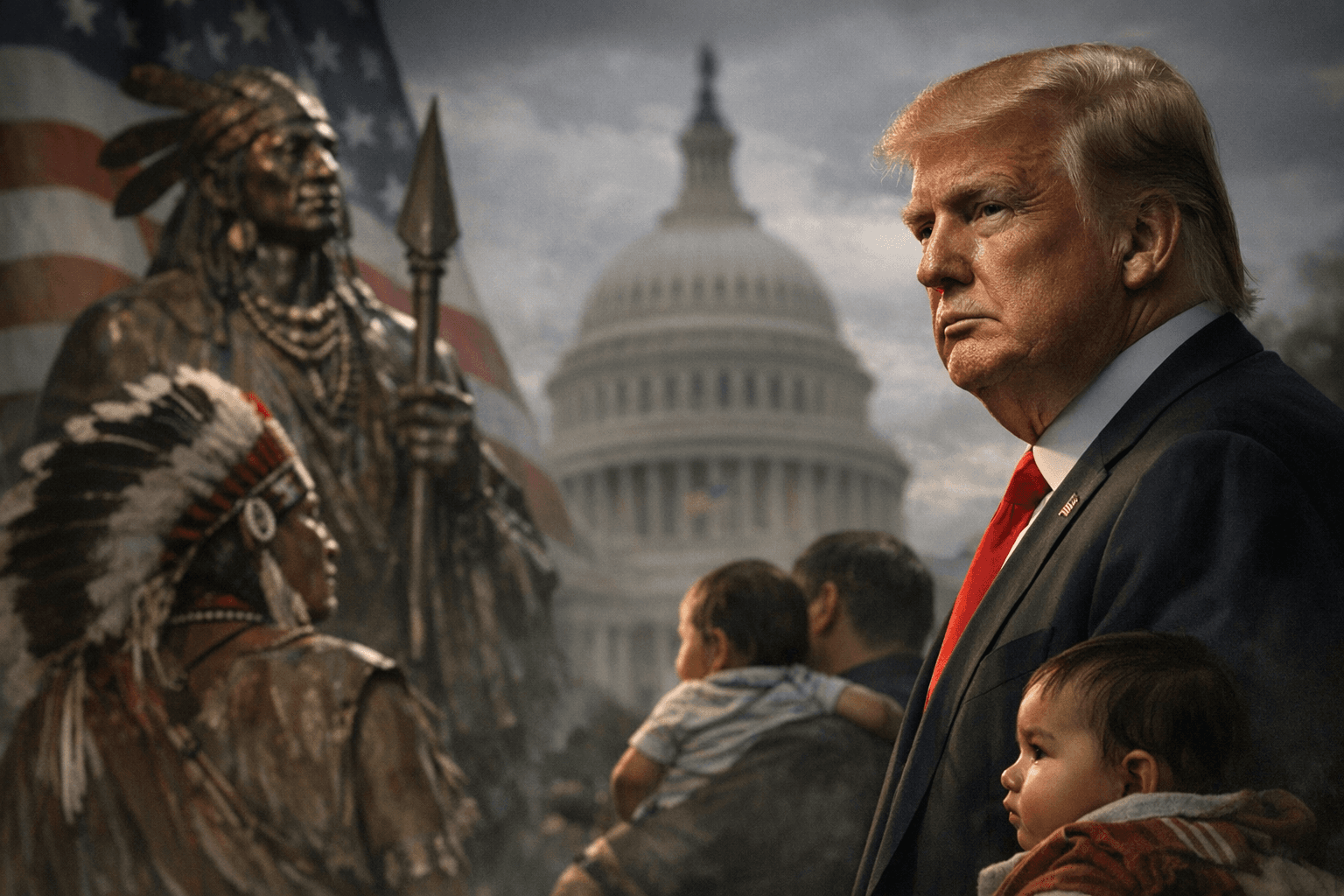
The deeper irony is structural. Elk v. Wilkins never identified what tribe John Elk belonged to, reducing him to his race and color in the official record and rendering him stateless in his own ancestral homeland. Notably absent from any of the dozens of briefs filed in the case is anything from Native American tribes or organizations. That same reasoning now anchors a challenge affecting children born to people who arrived long after the land itself changed hands.
If the lower courts restrict relief, tens of thousands of U.S.-born babies could be left vulnerable to arrest, deportation, discrimination, and denial of critical early-life nutrition and health care.
"For over 150 years, it has been the law and our national tradition that everyone born on U.S. soil is a citizen from birth," said Cecillia Wang, national legal director of the American Civil Liberties Union. "We look forward to putting this issue to rest once and for all." White House spokeswoman Abigail Jackson replied that the administration "looks forward to making its case on the issue of birthright citizenship on behalf of the American people."
The case sets up a major clash between a president whose aggressive use of executive power has been a defining characteristic of his second term and a court with a 6-3 conservative majority that has so far mostly avoided direct clashes with the White House. The liberal justices need at least two conservatives to join them, with Chief Justice John Roberts, Brett Kavanaugh, and Amy Coney Barrett the most likely candidates. The Trump administration will prevail only if five out of the six conservatives reject the British common law foundations of the Wong Kim Ark ruling in favor of citizenship by consent alone. A case built on a ruling against a man who simply wanted to vote in Nebraska will determine the answer by July Fourth.
This article was produced by Prism’s automated news system from verified source data, official records, and press releases, then run through automated quality and moderation checks before publishing. The system is built and supervised by the people who set the standards it runs under. Read our full AI policy.
Did this article answer your question?

