Trump cites Correspondents' dinner shooting to push White House ballroom plan
Trump used the Washington Hilton shooting to argue for a White House ballroom, even as the attack happened far from the East Wing site he has already cleared for construction.
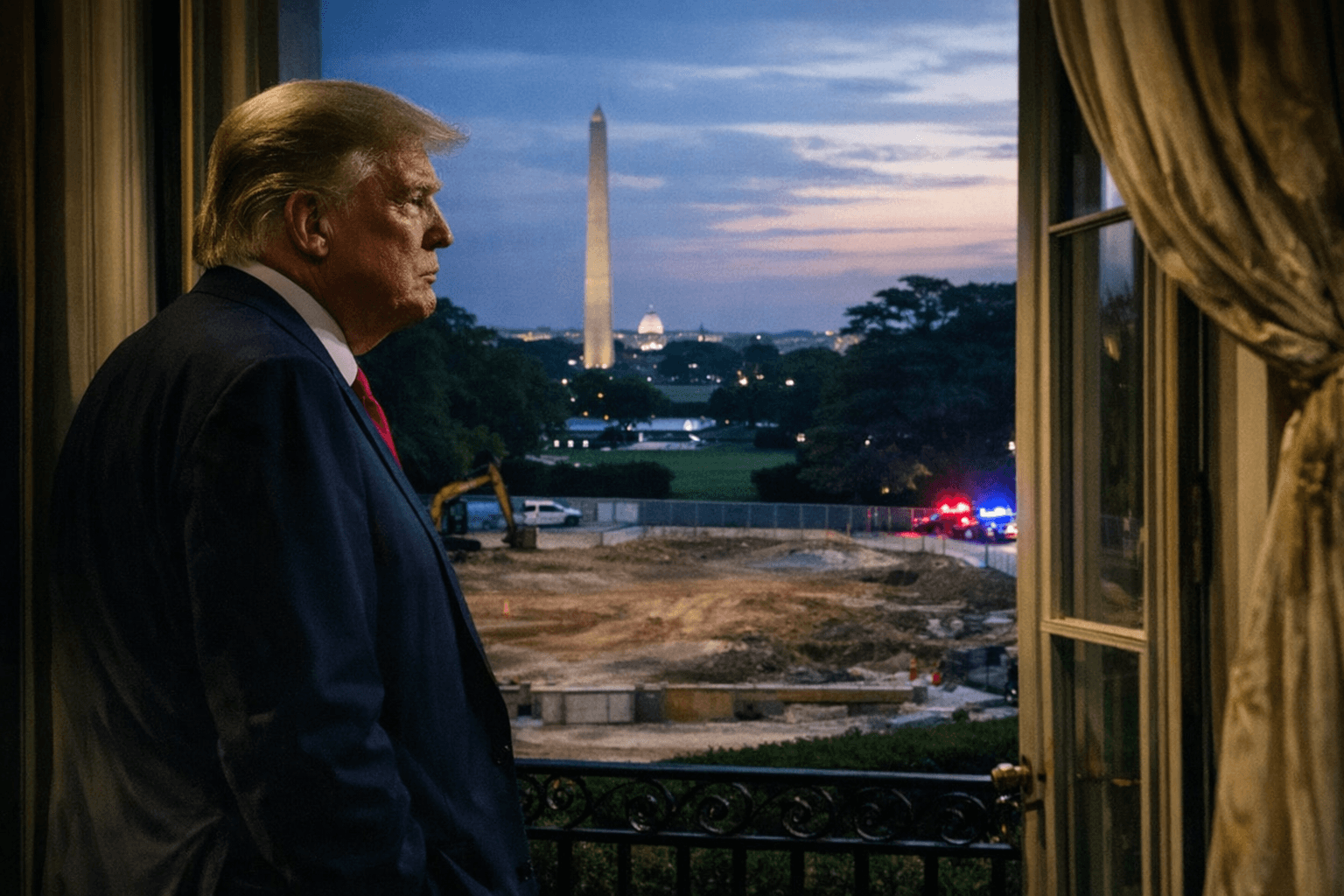
Trump seized on the gunfire that erupted at the Washington Hilton to argue that the White House needs a new ballroom, turning a security crisis into fresh leverage for a project already mired in legal and ethical fights.
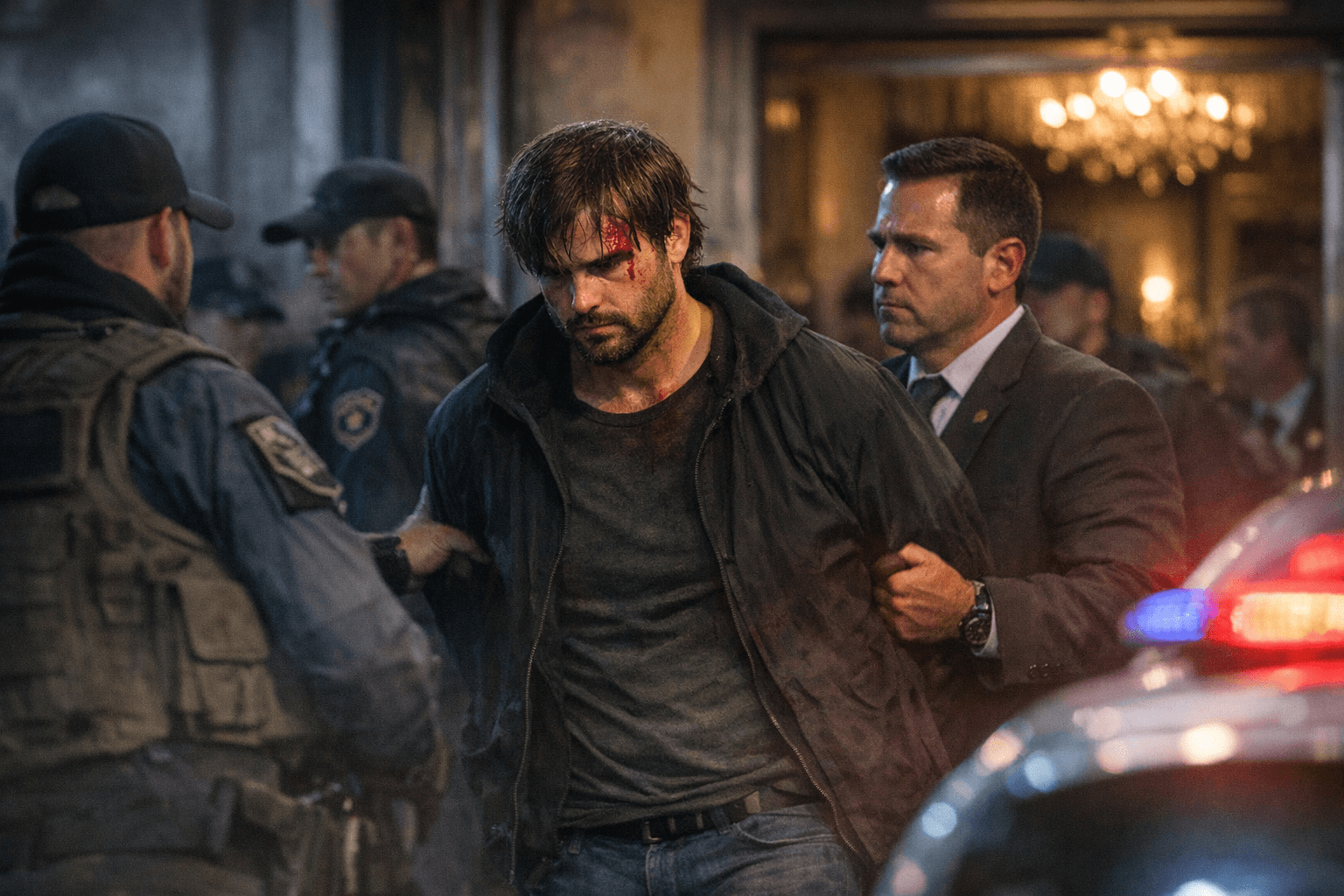
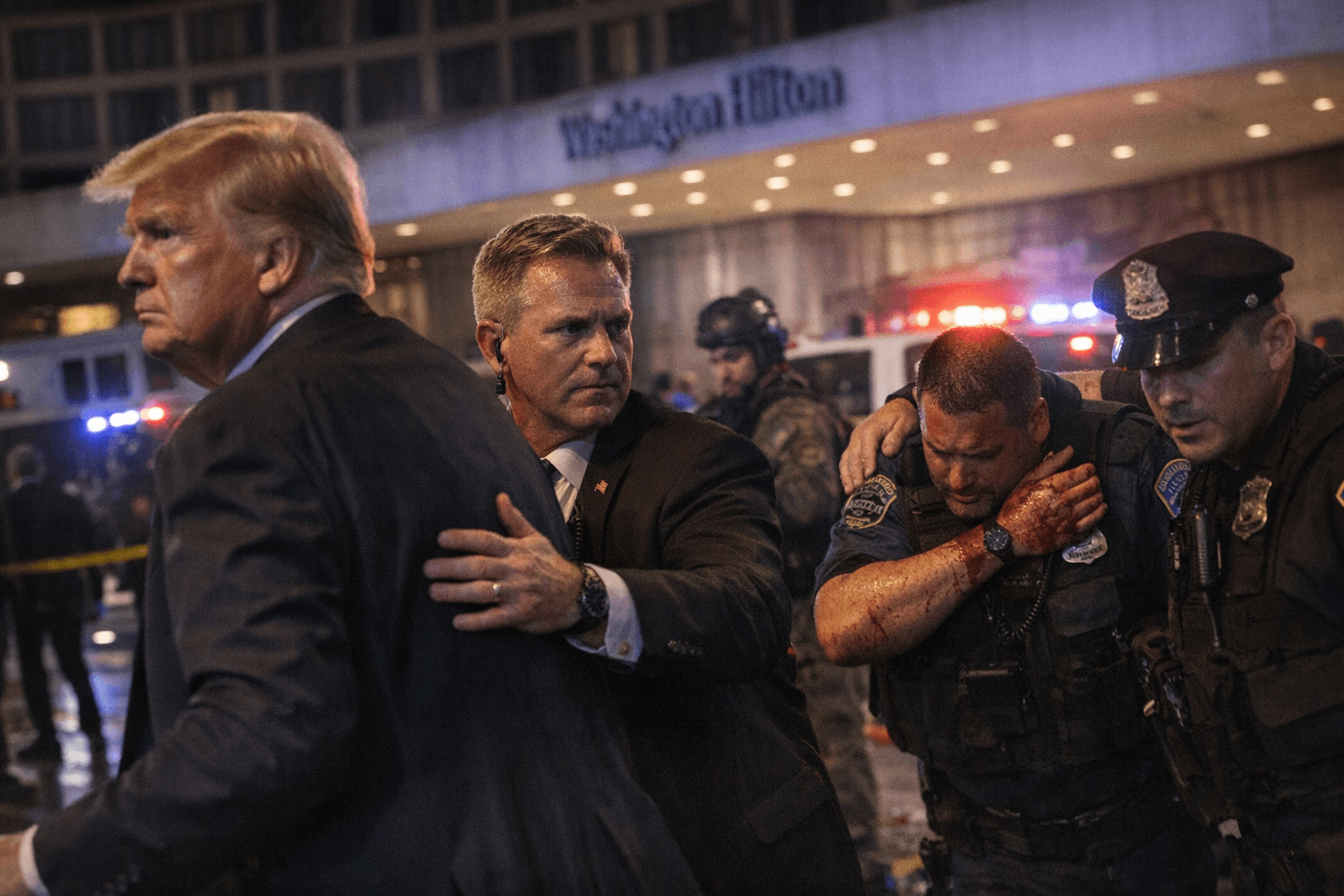
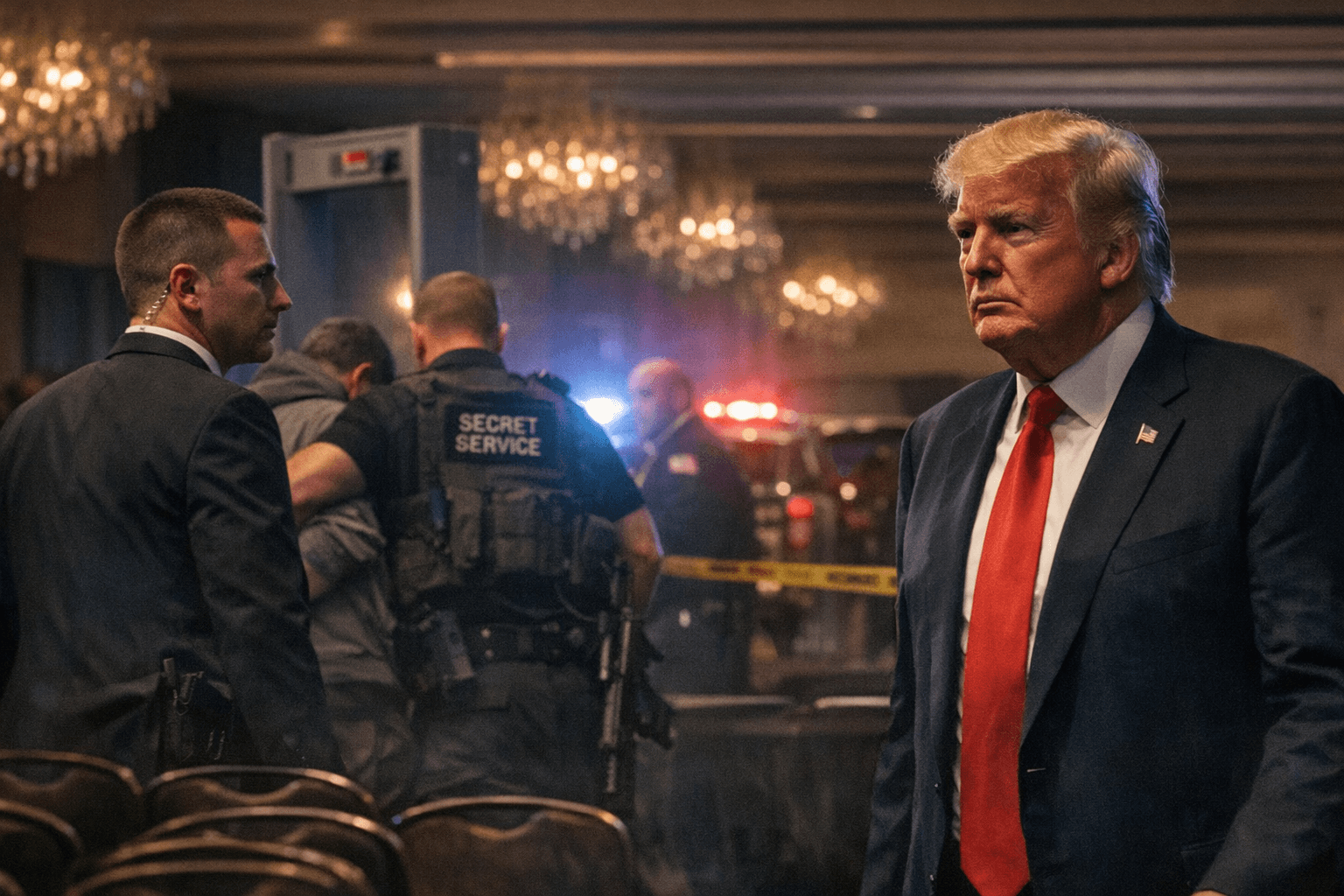
The shooting broke out Saturday at the annual White House Correspondents’ Association dinner in Washington, D.C., prompting the evacuation of Trump, Vice President JD Vance, first lady Melania Trump and other officials. A Secret Service officer was injured in the exchange of gunfire, and NBC News reported no other injuries. Authorities identified the suspect as Cole Tomas Allen, 31, of Torrance, California. NBC News reported that Allen is a mechanical engineer, video game developer and educator, and that writings sent by family before the attack suggested anti-Trump sentiment and named Trump administration officials as targets.
Trump said the incident proved the case for a secure White House ballroom and repeated that argument on Truth Social the next morning, then again on Fox News. He described the need for a "large, safe, and secure Ballroom" on the White House grounds and said the White House was among the most secure places in the world. In other comments, Trump called the Hilton "not a particularly secure building," even though the attack occurred at the hotel where the correspondents’ dinner has long been held.
That distinction matters. The White House Correspondents’ Association dinner has been held annually since 1921, and the Washington Hilton has been one of the few Washington venues large enough to host it. Even if Trump’s ballroom is eventually built, analysts say it likely would not become the dinner’s permanent home because the event is privately held and would raise obvious ethics and press-freedom concerns.
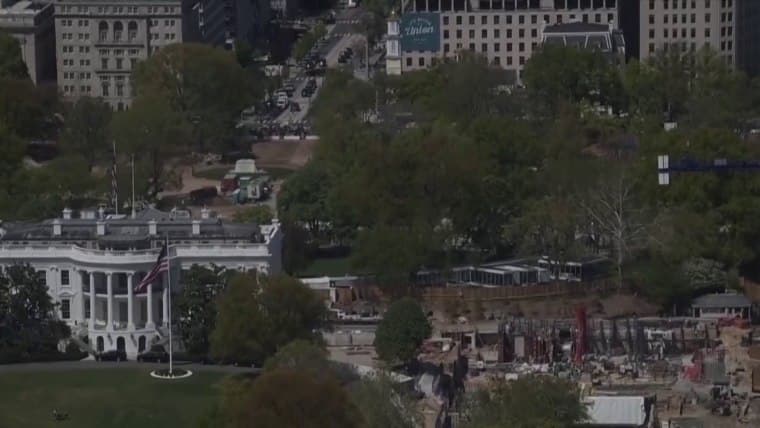
The ballroom itself remains a separate flashpoint. Trump has described it as a $400 million, 90,000-square-foot project funded by private donations, and the White House demolished the East Wing last year to make room for it. The National Trust for Historic Preservation is suing to block the plan. A federal judge on April 16 largely barred above-ground construction, before the U.S. Court of Appeals for the District of Columbia Circuit temporarily stayed that order and set a June 5 hearing.
The result is a political argument wrapped around a tragedy. The shooting happened at a hotel, not at the White House grounds, yet Trump has used the violence to revive a project that was already underway, already contested and already tied to questions about donor anonymity, conflict safeguards and whether public money could still be used for bunker and security-related work.
Know something we missed? Have a correction or additional information?
Submit a Tip