Trump cites White House security after armed breach at Hilton dinner
An armed man reached a security checkpoint at the Hilton dinner, forcing an evacuation and reopening questions about layered protection at major political events.
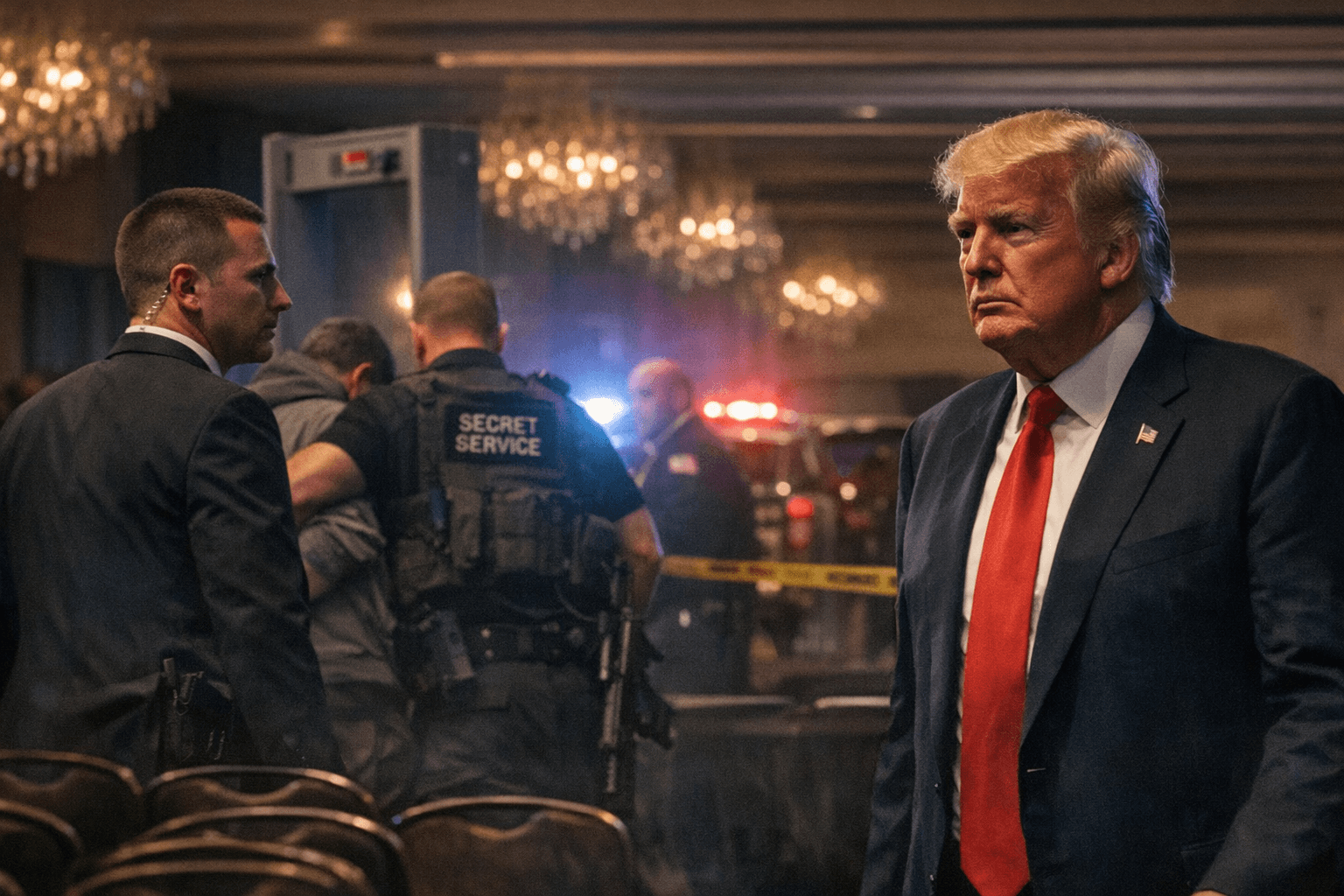
An armed man’s rush toward a security checkpoint at the Washington Hilton threw one of Washington’s most closely watched political dinners into chaos and exposed how much the event still depends on the security architecture of a private hotel.
Authorities identified the suspect as Cole Tomas Allen, 31, of Torrance, California. Officials said he charged a checkpoint near the ballroom with a shotgun, a handgun and knives, and later investigators said he appeared to be targeting Trump administration officials. During the confrontation, a Secret Service agent wearing an armored vest was struck in the chest and was expected to recover.
Donald Trump, Melania Trump, JD Vance and other senior officials were evacuated after shots were fired outside the ballroom. Trump later said the Washington Hilton was “not a particularly secure building” and argued the episode showed why the White House needed its own more secure ballroom. He also said the room itself was “very, very secure.”
The security failure immediately sharpened the practical question at the center of the episode: how much protection is enough when a major political event is held in a hotel that was never designed as a hardened government venue. The Washington Hilton is one of the few Washington buildings large enough to host the annual White House Correspondents’ Association dinner, which draws about 2,300 people, with some reports putting attendance near 2,600. Seating in the ballroom was tightly packed, with chairs placed back to back, leaving little margin for error if a breach occurred.
Officials said Allen may have gotten past the outermost layer of security because he was a guest of the hotel, raising questions about screening, access control and the division of responsibility between private venue staff and federal protective teams. The White House Correspondents’ Association has long held its dinner at the Hilton, and the event’s proceeds support scholarships and journalistic awards, adding another layer of pressure to keep the gathering open while still making it secure.
The building also carries historical baggage. It was the site of Ronald Reagan’s 1981 assassination attempt, a reminder that the Hilton has faced high-profile violence before. That history made the latest breach more than an isolated security scare: it renewed scrutiny of whether high-profile political events belong in privately run spaces that must balance public access, tradition and protection.
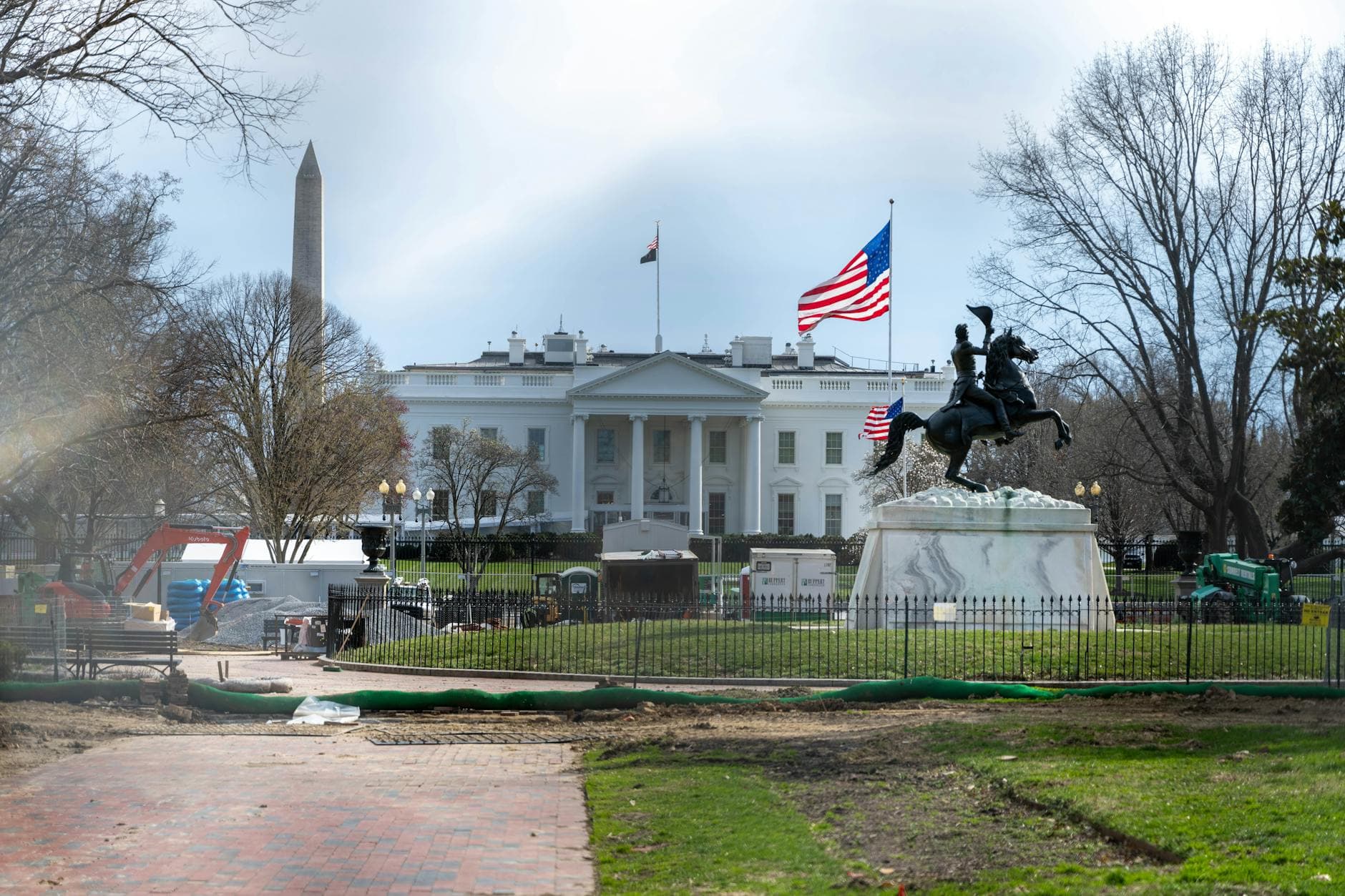
Trump’s allies and the Justice Department have since cited the incident in pushing his proposed $400 million White House ballroom, presenting the project as a security solution. The breach, however, raised a sharper operational test than any slogan can answer: whether the system failed because the venue was inherently vulnerable, because the screening chain broke down, or because the response to a known risk was not built for the crowd it was meant to protect.
This article was produced by Prism’s automated news system from verified source data, official records, and press releases, then run through automated quality and moderation checks before publishing. The system is built and supervised by the people who set the standards it runs under. Read our full AI policy.
Did this article answer your question?

